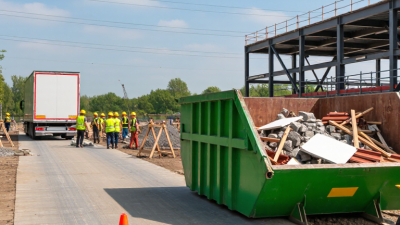
Best Type of Construction Waste Dumpster in 2026?
Choosing the best construction waste dumpster in 2026 is less about picking the biggest box and more about understanding the debris. A kitchen renovation may produce cabinets, drywall, and flooring. A concrete tear-out creates a smaller-looking pile that can become heavy quickly. The right container should fit the material, project pace, and available space—not just the estimated volume.
Construction and demolition waste researcher Dr. Vivian W. Tam’s work offers a practical guiding principle: “Choose the container around the waste stream, not the other way around.” This is a summary of the principle, not a verified verbatim quotation. It matters because mixed debris, dense materials, and bulky items can each affect loading and pickup plans. Check accepted materials, weight limits, and placement details with the dumpster provider before delivery. A driveway corner, a narrow gate, or a low branch can change what fits.
This guide compares dumpster types and explains when each may work best for common projects in 2026. It also considers container size, debris weight, access, and rental timing. I would not treat any size chart as a perfect answer; real projects produce surprises. A careful estimate, plus a little room for change, is usually more useful than guessing from photos alone.
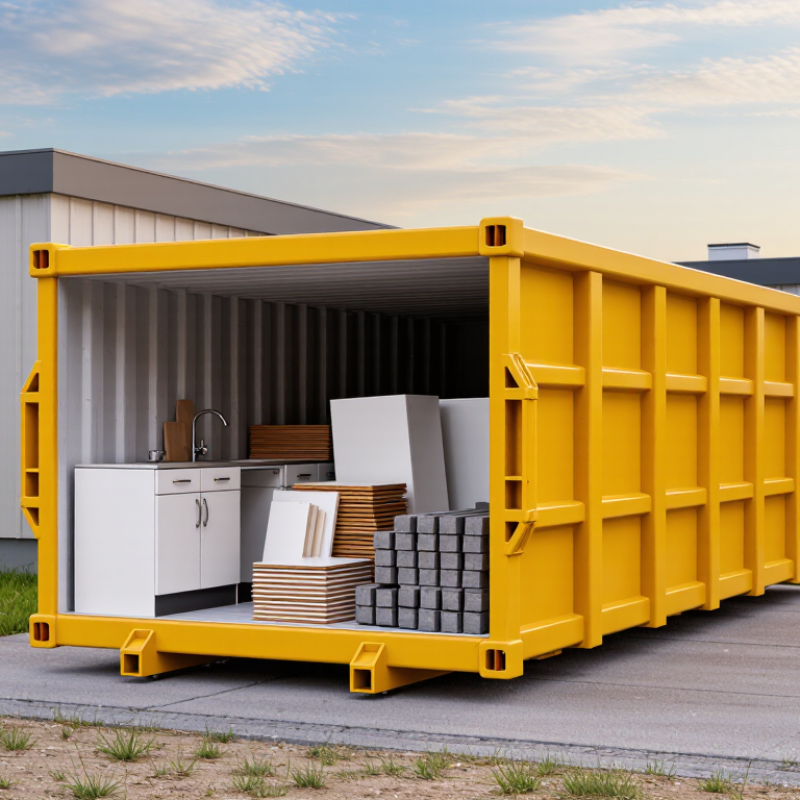
Types of Construction Waste Dumpsters Available in 2026
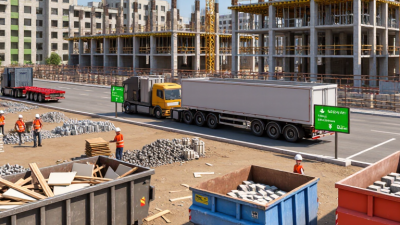
Construction waste dumpsters in 2026 come in several formats, and the right choice depends on debris, access, and project pace. Open-top roll-off containers are common for renovations and new builds. Their wide openings make it easy to load lumber, drywall, and bulky packaging. They are delivered by truck, so driveway clearance and overhead wires matter.
Smaller front-load dumpsters can suit steady, lower-volume waste at workshops or compact sites. For large projects producing regular, heavy waste, a compactor may reduce collection trips. Concrete, brick, and soil often need a dedicated container because their weight can reach hauling limits before the bin looks full. Ask the provider about permitted load types and weight allowances. Details vary.
Some jobs benefit from specialty containers for clean wood, metal, or roofing debris. Separating materials may support recycling, but only when the local facility accepts them and the site can keep loads uncontaminated.
Space matters.
A container that fits the schedule may not fit the gate. Measure turning room, check where workers will carry debris, and account for delivery and pickup access. It sounds straightforward, but estimating volume is often imperfect; a quick site review can prevent choosing a bin that is too small or unnecessarily large.
How Construction Waste Materials Affect Dumpster Choice
Best Type of Construction Waste Dumpster in 2026?
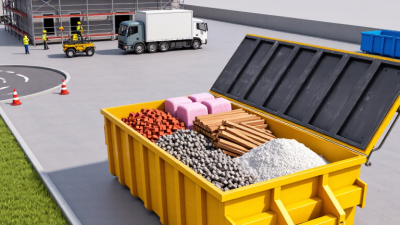
The right dumpster depends less on the project name than on the debris itself. Concrete, brick, and clean soil are dense, so a container can reach its weight limit while still looking half empty. For a small patio removal, a lower, heavy-duty container may be more practical than a large one. Confirm weight limits before ordering.
Bulky materials behave differently. Drywall, insulation, and lightweight framing offcuts fill space quickly, especially when pieces are left whole. Break down clean, safe-to-handle scraps where practical, and keep the load contained. Keep it dry. Rain-soaked drywall adds weight and can make sorting harder. Mixed renovation debris may need extra room, but separating clean wood or metal can improve handling if the local facility accepts those materials separately.
Before choosing, list the main materials and estimate their volume and weight separately. Check whether the disposal site has restrictions for specific items; accepted materials vary by facility. A quick visual estimate can still be wrong. A pile of tile may seem modest, yet weigh far more than expected. When the material mix is uncertain, share photos or measurements with the hauler and ask which limits apply. That small check can prevent an undersized container or an avoidable second pickup.
How to Estimate the Right Dumpster Size and Capacity
Estimate the debris before choosing a dumpster. Start with the debris. Measure the pile’s length, width, and average depth in feet, then divide the cubic-foot total by 27 to estimate cubic yards. Add roughly 10–20% for awkward shapes and loose material; broken drywall rarely stacks neatly. Leave a margin. The U.S. Environmental Protection Agency’s 2020 Construction and Demolition Debris report estimated that the United States generated about 600 million tons of this waste in 2018—roughly twice the amount of municipal solid waste. That scale shows why careful sorting and sizing matter on even a small renovation.
Volume is only half the calculation. Concrete, brick, soil, and roofing debris can reach a dumpster’s weight limit before it looks full, while clean wood and packaging take up space faster than they add weight. Ask the hauler for the container’s capacity and maximum permitted weight, then compare both with your estimate. For example, a measured 12-cubic-yard pile may still need a smaller load of masonry if the weight allowance is low. Keep heavy material spread across the floor, not heaped at one end. Estimates are imperfect; demolition often reveals hidden layers, so reassess after the first section is cleared.
Comparing Dumpster Types by Project Needs and Site Conditions
Best Type of Construction Waste Dumpster in 2026?
The right dumpster depends on what your crew is tossing, how quickly it accumulates, and what the site can safely accommodate. Open-top roll-off containers suit many renovations and larger builds because workers can load bulky framing, drywall, and packaging from above. For concrete, brick, or soil, ask about weight limits before choosing a container. Heavy debris can reach those limits while the dumpster still looks half empty.
Space matters. On a tight urban lot, measure gate width, turning room, and overhead clearance before scheduling delivery. A smaller container may fit better, but it could need more frequent swaps. That adds up. For longer projects with steady, lighter waste, a front-load container may work well if the truck can reach its service position. Keep the route clear of parked equipment and stacked materials.
Match the container to the waste stream, too. Separate clean wood, metal, and mixed debris where practical; combining everything can make sorting harder later. For roofing work, check whether shingles need a dedicated container or a weight-conscious loading plan. I would not choose by advertised capacity alone. A container that blocks a walkway or sits on soft ground can create problems even when its size seems right. Site conditions change, and the first estimate may need revisiting.
Key Factors for Choosing a Construction Waste Dumpster in 2026
Best Type of Construction Waste Dumpster in 2026?
Key Factors for Choosing a Construction Waste Dumpster in 2026
The right construction dumpster depends on the debris, available space, and project pace. Separate heavy materials, such as concrete and brick, from lighter wood or drywall. Mixed loads can be convenient, but they may face stricter acceptance rules or cost more to handle. Check the container’s weight limit, not just its volume. A box can look half-empty and still be too heavy.
The U.S. Environmental Protection Agency estimated that 600 million tons of construction and demolition debris were generated in 2018. About 455 million tons were directed to a next use, while 145 million tons went to landfills. These figures make sorting more than a housekeeping detail.
Before ordering, estimate the volume, confirm which materials the provider accepts, and measure the truck’s access route. Narrow gates, overhead wires, and soft ground can complicate delivery. I’d still allow some room for uncertainty; renovation debris rarely stacks as neatly as planned.
Tips: Match dumpster size to the bulkiest material, then ask about weight limits and overage charges. Keep the load below the rim. Cover it when rain could add weight to absorbent debris. Recheck your estimate after the first day—your original guess may be off.
Related Posts
-
How to Choose a Construction Site Dumpster?
-
7 Best Construction Waste Dumpsters for Global Buyers
-
5 Best Construction Garbage Bins for Global Buyers
-
2026 How to Choose the Right Construction Trash Bin?
-
7 Tips for Choosing the Right Construction Garbage Bin?
-
Why Choose Construction Trash Bin Rental for Your Project?