
Why Choose Construction Trash Bin Rental for Your Project?
Construction projects can create waste faster than many schedules anticipate. A few days of framing may leave broken boards, packaging, drywall scraps, and dusty offcuts beside the work area. That clutter matters. A construction trash bin rental gives crews a designated place for eligible debris and may reduce repeated trips to disposal sites. It can also help keep access paths clearer when deliveries and trades share a narrow driveway.
Choosing a bin is not simply a matter of picking the largest size. Estimate the debris volume, project timeline, and space available for delivery. A compact renovation may need a smaller container, while a roof replacement or major remodel can fill one quickly. Ask the rental provider which materials are accepted, how weight limits work, and whether pickup scheduling is flexible. Details vary by provider and location, so confirm them before delivery. One missed detail can mean an avoidable delay.
Even careful estimates can be wrong. Weather, hidden damage, or a change in scope may increase the debris. Leave room for uncertainty, and keep waste below the container’s marked fill line. With a suitable bin and a clear placement plan, crews can spend less time moving debris and more time completing the work. The right rental will not solve every site problem. It can make cleanup more manageable.
What Is a Construction Trash Bin Rental?
What Is a Construction Trash Bin Rental?
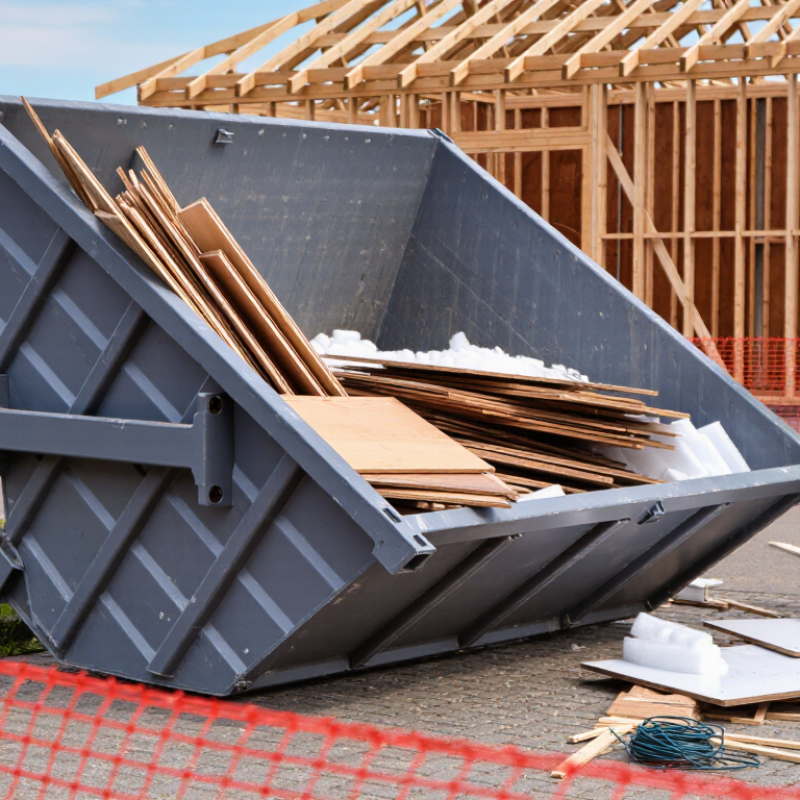
A construction trash bin rental is a temporary waste container delivered to a job site, then collected when it is full or the rental period ends. The service typically includes drop-off, hauling, and disposal or recovery of accepted materials. Bin sizes and weight limits vary, so confirm both before booking. A container that looks roomy can still reach its weight limit quickly when filled with concrete or soil.
Typical loads include lumber offcuts, drywall, packaging, and roofing debris. The U.S. Environmental Protection Agency estimated that construction and demolition activities generated 600 million tons of debris in 2018, in its Advancing Sustainable Materials Management: 2018 Fact Sheet. That scale helps explain why separating clean wood, metal, and concrete can matter: some materials may be recovered instead of landfilled. Check what your local hauler accepts.
Plan the placement, too. A truck needs clear access, and a bin set near a garage or scaffold can disrupt work. Measure the space and think about delivery clearance. It sounds simple. It isn’t always. A common planning miss is ordering by project size alone; demolition density and loading habits also affect capacity. Track debris for a day before choosing, if the schedule allows.
Why Choose Construction Trash Bin Rental for Your Project? — What Is a Construction Trash Bin Rental?
| Dimension | Details | How It Helps Your Project |
|---|---|---|
| What it is | A temporary, roll-off container delivered to a job site for collecting and hauling eligible construction and demolition debris. | Provides one designated place for waste instead of relying on repeated trips to a disposal facility. |
| Common container sizes | Common options include 10-, 20-, 30-, and 40-cubic-yard containers. Exact dimensions vary by container and provider. | Several size options can accommodate projects ranging from small renovations to larger construction or demolition work. |
| Approximate volume | One cubic yard equals 27 cubic feet. For example, a 20-cubic-yard container represents about 540 cubic feet of interior volume. | Volume gives a useful starting point for estimating capacity, but bulky materials may fill a container before it reaches its weight limit. |
| Typical debris | Depending on local rules, accepted materials may include wood, drywall, roofing shingles, flooring, siding, and general renovation debris. | Consolidating permitted materials can keep the work area clearer and make waste handling more organized. |
| Restricted materials | Hazardous waste, chemicals, paint, batteries, tires, and certain appliances or electronics may be prohibited or require separate handling. | Checking acceptance rules before loading helps avoid rejected loads, additional charges, or unsafe disposal. |
| Weight limits | Included tonnage and overage charges vary by rental terms. Dense materials such as concrete, brick, and soil can reach weight limits quickly. | Confirming the allowed weight and material type helps match the container to the job and manage disposal costs. |
| Rental period | The rental term is set by the provider and may be extended subject to availability and additional fees. | A planned pickup date helps coordinate cleanup with the construction schedule and avoid unnecessary rental days. |
| Delivery and placement | A suitable, accessible placement area is needed. The truck may require clear approach space, overhead clearance, and a stable surface. | Planning the location in advance can reduce delivery delays and keep the container accessible without blocking essential work areas. |
| Loading practices | Keep debris below the container’s fill line, distribute heavy materials evenly, and follow the provider’s loading instructions. | Proper loading supports safer transport and helps prevent delays caused by an overloaded or improperly filled container. |
| Best suited for | Projects that generate a concentrated volume of debris, such as remodeling, roofing, new construction, landscaping, or demolition. | On-site collection can reduce repeated disposal trips and help maintain a tidier, more efficient job site. |
Planning note: Container dimensions, accepted materials, weight allowances, rental periods, permits, and fees vary by location and service terms. Confirm these details before booking.
Related Posts
-
How to Choose a Construction Garbage Bin Rental in 2026?
-
Top 10 Dumpster Rental Construction Tips for Global Buyers
-
7 Best Construction Trash Container Rental Options?
-
Top Construction Bin Rental Companies Near Me?
-

The Ultimate Guide to Concrete Dumpster Rental for Your Construction Project
-
10 Essential Tips for Choosing the Right Construction Site Dumpster Rental