7 Best Construction Trash Container Rental Options?
Choosing the right construction trash container rental can keep a project cleaner, safer, and easier to manage. Renovations create different waste streams, from broken drywall and flooring to concrete, timber, and packaging. A container that works for a bathroom remodel may fail during a roofing replacement. Capacity, weight limits, pickup timing, and driveway access all matter.
This guide reviews seven practical rental options for home renovations, commercial builds, and smaller site cleanups. The choices consider container size, loading style, rental flexibility, and common project needs. A 10-yard container may suit dense concrete debris, while a 20-yard model often handles mixed renovation waste more comfortably. Measure twice. A container placed too close to a gate can block workers, delivery vehicles, or emergency access. Check the provider’s accepted-material list before loading anything. Rules can vary by municipality and company policy.
Real project conditions are rarely perfect. Weather can delay demolition, and underestimated debris can fill a container sooner than expected. That is why reliable providers should explain overage fees, weight allowances, exchange schedules, and placement requirements clearly. Customer reviews help, but direct questions often reveal more. Details matter. The best option is not always the cheapest quote. It should match the material, timeline, site layout, and disposal plan. This comparison offers a practical starting point, while encouraging readers to verify local requirements and request written pricing before booking.

Construction Trash Container Rental Options: An Overview
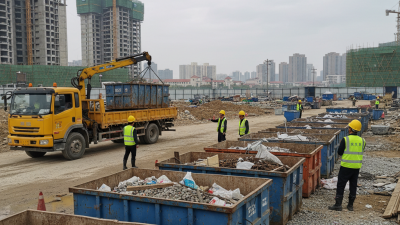
Choosing among construction trash container rental options depends on the project’s waste volume, site access, and material type. Roll-off containers suit demolition work because their open tops accept bulky drywall, timber, and broken concrete. Front-load containers work better for smaller renovation sites with steady daily waste. For narrow driveways, compact containers can reduce access problems, although they may require more frequent pickups. Size matters. A container that seems economical can become expensive when overloaded or emptied repeatedly.
Experienced site managers usually inspect the placement area before ordering. Measure the driveway width, check overhead branches, and keep the container away from unstable ground. Ask whether weight limits apply to concrete, soil, or roofing debris. Mixing heavy materials with lighter waste may create unexpected charges. Separate clean metal, wood, and recyclable material when local collection rules allow it. This can improve handling and reduce disposal costs.
Seven practical rental options include small containers, standard roll-offs, high-sided units, front-load bins, recycling containers, heavy-debris containers, and scheduled exchange services. Each option has weaknesses. High-sided units hold more, but loading them safely can be difficult. Scheduled exchanges prevent overflow, yet poor estimates may leave unused capacity. I have found that a short on-site waste audit often improves the decision more than guessing from floor area alone. Ask for written pricing, included rental days, delivery conditions, and prohibited materials before signing. Mistakes still happen. A clear plan makes them less costly.
How to Compare Container Sizes for Construction Waste
Choosing a construction trash container starts with volume, but weight can change the decision. The U.S. Environmental Protection Agency estimated 600 million tons of construction and demolition debris in 2018. Concrete, asphalt, and soil often fill a container quickly, even when the container looks half empty.
Measure the work area before ordering. A 10-cubic-yard container suits a bathroom renovation or small demolition. A 20-cubic-yard option often fits roofing, flooring, or one-room remodeling waste. Larger 30- or 40-cubic-yard containers work better for framing debris and major tear-outs. Keep bulky materials below the rim. Overloading can create transport and safety problems.
Density matters more than appearance. A container filled with drywall may remain under its weight limit, while the same volume of brick may exceed it. The European Commission identifies construction and demolition waste as more than one-third of waste generated in the European Union. That scale shows why sorting and accurate sizing matter. Separate concrete, metal, wood, and mixed debris when possible. It may reduce disposal costs and improve recovery.
A practical mistake is ordering the smallest container to save money. Extra pickups can erase that saving. I would estimate the debris volume, add about 10 percent space, then confirm local weight limits. Still, estimates are imperfect. Site access, material density, and unexpected demolition often change the final calculation.
7 Best Construction Trash Container Rental Options: Comparing Container Sizes
Construction containers are commonly sized by nominal volume in cubic yards. Smaller containers are suitable for limited remodeling debris, while larger sizes are generally more practical for roofing, demolition, and major construction projects. Actual usable capacity may vary depending on container dimensions, loading limits, and local regulations.
Seven Practical Rental Options for Different Project Needs
For different project needs, the right construction trash container can reduce delays, clutter, and extra hauling costs. A mini driveway container suits bathroom upgrades, flooring removal, and small repairs. A standard roll-off container handles roofing debris, cabinets, and moderate renovation waste. A large roll-off fits major demolition, but it needs generous access and a stable placement area.
A low-profile container works well in tight driveways and may reduce loading strain. A high-sided container offers more capacity for bulky framing lumber and broken drywall. A front-load container suits ongoing commercial projects with regular waste collection. A covered container helps protect lightweight debris from wind and rain, especially on exposed lots. Keep it closed when possible. Safety matters.
Before renting, measure the gate, driveway width, and overhead clearance. Confirm the container’s length, height, weight allowance, rental period, and pickup conditions. Separate heavy materials from lighter waste when the provider requires it. Concrete and soil can reach weight limits quickly. Estimates are imperfect. I often recommend adding a small capacity buffer rather than guessing tightly. Still, an oversized container can waste money and valuable site space. Ask how weather, access problems, and extra pickup requests may affect the final charge.
Key Factors in Choosing a Construction Trash Container
7 Best Construction Trash Container Rental Options?
Key Factors in Choosing a Construction Trash Container
Choosing the right construction trash container starts with the debris, not the advertised capacity. Concrete, soil, roofing materials, drywall, and mixed waste have different weights and handling needs. The U.S. Environmental Protection Agency reported about 600 million tons of construction and demolition debris in 2018. That figure shows why careful sorting and container planning matter on every site.
Measure twice. Estimate the daily volume, then check the container’s weight limit. A large box may hold bulky drywall but become unsafe with dense concrete. Access matters. Confirm truck clearance, driveway strength, placement distance, and overhead obstructions before delivery. A container that blocks a gate can delay workers and increase labor costs. The first estimate is often wrong.
Rental terms deserve equal attention. Ask about included weight, extra-day charges, pickup scheduling, and accepted materials. Some projects need separate containers for clean wood, metal, and masonry. OSHA’s construction standards require waste and debris to be contained to prevent hazards, including falling or scattered materials. Local requirements may also affect placement and permits. Review them before delivery. A practical site check should include gloves, visible fill limits, stable ground, and a clear route for loading. These details seem minor, but missed assumptions can damage surfaces or create avoidable delays. EPA’s Advancing Sustainable Materials Management report supports recovery planning, yet real sites remain messy. Allow a modest contingency instead of pretending every forecast is perfect.
7 Best Construction Trash Container Rental Options? - Key Factors in Choosing a Construction Trash Container
| Option | Approx. Capacity | Typical Dimensions (W × L × H) |
Best Suited For | Common Weight Allowance | Typical Rental Term | Indicative U.S. Price Range* | Key Selection Factor |
|---|---|---|---|---|---|---|---|
| 1. 10-Yard Roll-Off Container | About 10 cubic yards | 6 ft × 12 ft × 3.5 ft | Small bathroom or kitchen renovations, roofing debris, concrete fragments, and limited demolition work | Approximately 1–3 tons, depending on the material and local terms | 7–14 days | Approximately $300–$600 | Best when driveway space is limited and the project produces a modest amount of dense waste |
| 2. 15-Yard Roll-Off Container | About 15 cubic yards | 8 ft × 12 ft × 4 ft | Medium remodeling projects, roofing replacement, flooring removal, and garage cleanouts | Approximately 2–4 tons | 7–14 days | Approximately $350–$700 | A practical balance between capacity, access requirements, and rental cost |
| 3. 20-Yard Roll-Off Container | About 20 cubic yards | 8 ft × 22 ft × 4.5 ft | General construction debris, multiple-room renovations, wood, drywall, siding, and mixed non-hazardous waste | Approximately 2–5 tons | 7–14 days | Approximately $400–$800 | One of the most versatile sizes for standard residential and light commercial construction |
| 4. 30-Yard Roll-Off Container | About 30 cubic yards | 8 ft × 22 ft × 6 ft | Large home renovations, structural demolition, commercial fit-outs, and bulky construction materials | Approximately 3–6 tons | 7–14 days | Approximately $500–$950 | Suitable for high-volume projects, but requires adequate truck access and placement clearance |
| 5. 40-Yard Roll-Off Container | About 40 cubic yards | 8 ft × 22 ft × 8 ft | Major demolition, large commercial construction, office clearouts, and lightweight bulky debris | Approximately 4–8 tons; dense materials may require a smaller container | 7–14 days | Approximately $600–$1,100 | Provides maximum volume, but is generally unsuitable for heavy concrete, soil, or asphalt loads |
| 6. 6-Yard Front-Load Container | About 6 cubic yards | 6 ft × 6 ft × 4.5 ft | Small recurring construction sites, tenant improvements, retail projects, and sites with limited space | Typically charged by service frequency and local weight limits | Scheduled weekly or more frequent service | Approximately $150–$450 per month, plus applicable disposal charges | Requires less staging space and works well when debris is generated gradually |
| 7. 20-Yard Self-Contained Container | About 20 cubic yards | 8 ft × 20 ft × 6 ft | Projects involving wet waste, food-service renovations, contaminated materials, or debris requiring leak control | Approximately 2–5 tons, subject to local disposal rules | 7–14 days or scheduled service | Approximately $600–$1,200 | Its enclosed, leak-resistant design helps reduce liquid leakage, odors, and unauthorized access |
*Price ranges are indicative U.S. market estimates for standard non-hazardous construction debris and may vary by region, container size, rental duration, delivery distance, disposal fees, permits, fuel surcharges, and weight overages. Confirm accepted materials, maximum fill level, driveway requirements, and local regulations before booking.
Rental Costs, Terms, Delivery, and Pickup Considerations
7 Best Construction Trash Container Rental Options?
Rental Costs, Terms, Delivery, and Pickup Considerations
The seven best options depend on debris volume, access, and rental timing. Small 10-yard containers suit bathroom or kitchen renovations. Mid-size 20-yard units handle roofing and interior demolition. Larger 30- or 40-yard containers fit major construction work. Specialized lowboy and hook-lift containers may improve loading efficiency. Rental prices vary by region. Ask for one written quote covering delivery, disposal, included weight, taxes, and extra rental days.
Read the rental terms carefully. A seven-day period may become expensive after the deadline. Confirm whether pricing uses flat-rate disposal or weight-based charges. Concrete, soil, and brick can trigger weight limits quickly. The U.S. EPA reported approximately 600 million tons of construction and demolition debris in 2018, more than twice the amount of municipal solid waste. This figure shows why material separation can reduce disposal costs and improve project planning. Source: U.S. EPA, 2018 Facts and Figures about Materials, Waste and Recycling.
Delivery needs more attention than most crews expect. Measure gate width, overhead clearance, driveway strength, and placement distance. Keep vehicles away from the container’s swing area. Request a delivery window, not just a date. Pickup should be scheduled before final cleanup, with a clear process for extensions or missed access. In my experience, estimates are rarely perfect. A slightly larger container can be cheaper than a second delivery, but only after checking weight restrictions. Loose drywall, timber, and packaging also settle unevenly, so avoid filling above the marked line.
Related Posts
-
Top Construction Waste Bin Rental Services in China Today?
-
Why Choose Construction Disposal Containers for Your Project Needs?
-
Top 10 Factors Influencing the Cost of Construction Dumpster Rental?
-
2026 How to Choose the Right Jobsite Dumpsters for Your Projects?
-
How to Choose the Right Construction Garbage Bin Rental?
-
Top 10 Reasons to Choose Construction Bin Rental for Your Project?