Top 10 Dumpster Rental Construction Tips for Global Buyers
For global buyers, dumpster rental construction is not simply a matter of ordering a metal container. It is a planning decision involving waste volume, material type, access, timing, and local service conditions. A container that looks adequate on a drawing may fill quickly beside a busy demolition zone. Concrete, timber, drywall, packaging, and mixed debris also behave differently inside the same box.
David Biderman, former chief executive of the Solid Waste Association of North America, offers a practical principle: “Good waste management begins with planning, not disposal.” That idea shapes this guide. The right dumpster should match the project stage, loading method, and expected waste stream. Measure the available space carefully. Check truck clearance, ground strength, overhead cables, and placement distance. A narrow driveway can change the entire rental plan.
Perfect estimates are rare. They really are. Even experienced site managers misjudge debris volume after a wall comes down. A modest capacity buffer can prevent emergency exchanges, but an oversized container may waste money and valuable working space. Buyers should also confirm accepted materials, weight limits, pickup windows, damage policies, and written pricing. Conditions vary widely between countries and suppliers, so assumptions can become expensive. This introduction presents ten practical dumpster rental construction tips for international buyers seeking safer coordination, clearer costs, and more dependable project results.

Define the Project: Match Debris Type, Volume, and 10–40-Yard Container Size
Top 10 Dumpster Rental Construction Tips for Global Buyers
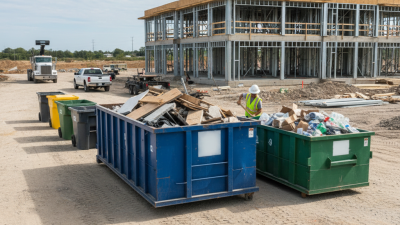
Define the project before choosing a container. Debris type matters as much as volume. Concrete, brick, soil, timber, and mixed waste have different weights and loading limits.
The U.S. Environmental Protection Agency reported about 600 million tons of construction and demolition debris in 2018. That figure was more than twice the country’s municipal solid waste generation.
Your estimate should include flooring, packaging, broken fixtures, and dust-covered materials, not only the visible pile.
A 10-yard container suits a small bathroom renovation or heavy masonry load. A 20-yard unit often fits kitchen work, roofing, or moderate interior removal.
Larger 30- or 40-yard containers support major clearance projects, but weight restrictions still apply. Bigger is not always better.
An overloaded large container may cost more and create handling problems. I have seen project estimates fail because volume was measured loosely, almost by eye.
Tips: Sketch the debris pile’s length, width, and height. Multiply those measurements, then add 15–20% for expansion and irregular shapes. Separate dense materials from lightweight waste when possible. Ask the supplier about local weight limits, access width, ground protection, and fill-level rules. Convert cubic yards carefully for international teams; one cubic yard equals about 0.765 cubic meters. Recheck the estimate after demolition begins. Real sites are rarely as tidy as the first plan.
Calculate the Load: Use EPA’s 600 Million Tons of Annual C&D Waste Benchmark
A 600-million-ton benchmark changes how global buyers estimate dumpster needs. The U.S. Environmental Protection Agency reported about 600 million tons of construction and demolition debris in 2018. That equals roughly 1.64 million tons daily across the country. It is a national scale, not a project estimate.
Use it as a warning signal. Measure material by type, volume, and expected density. Concrete and soil become heavy quickly, while timber and packaging consume space sooner. A container that looks half full may already exceed its safe weight limit. Confirm local restrictions before delivery. Small errors become expensive.
The European statistical office reported that construction and demolition waste represented 38.4% of total waste generated in the European Union in 2020. This supports a global planning view, but regional data differs. An experienced estimator should separate demolition rubble, excavated soil, metals, wood, and mixed debris. Request weigh tickets when available. Compare them with the original estimate after each collection.
Do not rely on container size alone. That shortcut is tempting, but often wrong. Access width, loading method, moisture, and transfer distance also affect the rental plan. The EPA benchmark is useful, yet imperfect for small sites. Recheck assumptions after the first load. That is where many estimates fail.
Top 10 Dumpster Rental Construction Tips for Global Buyers
Calculate the Load: Use EPA’s 600 Million Tons of Annual C&D Waste Benchmark
The U.S. Environmental Protection Agency estimated approximately 600 million tons of construction and demolition debris generated in 2018. The chart converts this benchmark into equivalent loads at different assumed payload capacities.
Calculation: 600 million tons ÷ payload capacity. These are planning scenarios, not universal dumpster limits. Actual capacity depends on material density, container size, axle regulations, local weight restrictions, and safe-loading requirements.
Compare Quotes: Check Weight Caps, Overage Rates, Delivery, and 7–14-Day Terms
For global construction buyers, comparing dumpster quotes requires more than checking the daily rental price. Ask for the weight cap in kilograms or tons, not vague “standard load” wording. A container may look half empty yet exceed its limit with wet soil or broken concrete. Request the accepted material list in writing. It prevents expensive misunderstandings.
Overage rates deserve close attention. Confirm the charge per extra ton, cubic meter, or kilogram. Some quotes use different measurement systems, creating hidden costs across borders. Ask whether scale tickets are provided after collection. Delivery details matter too. Confirm the truck’s arrival window, access requirements, ground clearance, and pickup notice period. A narrow gate or soft driveway can delay placement. I once focused on container size and missed delivery restrictions. That mistake changed the project schedule.
Check whether the price includes transport, taxes, disposal, and one pickup. Compare the full landed cost in the same currency. A seven-day term may suit a small interior renovation, while fourteen days helps with phased demolition. Confirm when the rental clock begins: booking, delivery, or actual placement. Written terms should explain extensions, early pickup, weather delays, and cancellation fees. Keep the quote, photos, weight records, and delivery messages together. Not glamorous, but useful. A reliable supplier should answer these questions clearly, without pressuring you to accept unclear estimates.
Verify Site Safety: Apply OSHA 1910.176 and Local Road-Placement Permits
Before ordering a dumpster, inspect the loading area like a temporary work zone. OSHA 1910.176 requires stored materials to remain stable, secure, and arranged without blocking aisles or exits. Keep the container away from fire equipment, utility covers, pedestrian paths, and unstable ground. A small slope can become a serious problem after rain.
Road placement needs separate attention. Many municipalities require permits for containers placed on public streets, shoulders, or sidewalks. Requirements may include reflective markings, warning lights, clearance measurements, and approved placement times. The Federal Highway Administration reported 891 work-zone fatalities in 2022, showing why visibility and traffic separation cannot be treated as paperwork. Confirm local rules with the road authority, not only the rental supplier.
Measure twice.
Ask for written site instructions and keep permit copies accessible. Use cones or barriers where local rules allow, but never assume they replace a traffic-control plan. Check the container after delivery and after heavy weather. In practice, buyers sometimes focus on volume and forget overhead cables, drainage, or reversing space. That mistake is understandable, but preventable. OSHA’s material-handling guidance supports clear access, while local authorities control roadway use; both requirements must work together.
Confirm Disposal: Follow EU Directive 2008/98/EC’s Waste Hierarchy
For global construction buyers, disposal confirmation should guide dumpster selection from the start. EU Directive 2008/98/EC places prevention above reuse, recycling, recovery, and disposal. A mixed dumpster may appear convenient, but it can reduce recovery options. Eurostat’s latest waste statistics show about 2.2 billion tonnes of waste were generated across the European Union in 2022. Construction remains one of the largest waste-producing sectors.
Ask the supplier for a written waste route before delivery. It should identify the receiving facility, permitted waste category, and intended treatment method.
Keep weight tickets, transfer records, and contamination photos. These details support traceability and help buyers compare real disposal costs.
The European Environment Agency reports that construction and demolition waste forms a major share of Europe’s total waste stream. Still, high recovery rates do not always mean high-quality recycling. Some recovered material is downcycled, contaminated, or rejected later.
Tip: Separate concrete, timber, metals, plasterboard, and packaging at the worksite. Use clearly marked containers near cutting and loading areas. Check local rules before placing hazardous or restricted materials. A small label can prevent a costly rejected load. UNEP’s Global Waste Management Outlook 2024 estimates global municipal waste could rise from 2.1 billion tonnes in 2023 to 3.8 billion tonnes by 2050. The figures are sobering, and our sorting plans are often less precise than the reports suggest.