7 Tips for Choosing the Right Construction Garbage Bin?

Construction waste rarely arrives in neat, predictable piles. A renovation may produce broken bricks, timber offcuts, plaster dust, and damp insulation within one afternoon. Choosing the right construction garbage bin affects safety, workflow, disposal costs, and site cleanliness. Yet many teams select a bin by size alone. That shortcut can create blocked walkways, overloaded containers, or wasted space. This guide presents seven practical tips for choosing a container that matches your project. It considers waste type, estimated volume, loading method, placement, access, rental terms, and collection timing. Small details matter.

An experienced site manager usually checks the waste stream before ordering. Concrete and soil need different capacity planning from lightweight packaging or timber. A narrow driveway may require a smaller bin, even when a larger model seems cheaper. The truck’s access route also deserves a careful look. Measure overhead clearance, turning space, and ground stability before delivery. Ask the supplier how fill levels, restricted materials, and weight limits are handled. Reliable providers explain these points clearly and provide written terms. Still, no estimate is perfect. Weather, hidden demolition layers, and last-minute changes may alter the final volume. Leave a modest margin rather than filling the container to its rim. A thoughtful construction garbage bin choice supports safer work and more predictable costs. The best decision is practical, not flashy.
7 Tips for Choosing the Right Construction Garbage Bin?

Classify Construction Waste Using the EPA’s 600-Million-Ton C&D Benchmark

7 Tips for Choosing the Right Construction Garbage Bin?

The EPA estimated nearly 600 million tons of construction and demolition debris in 2018. That volume was about twice the amount of municipal solid waste generated. The same EPA assessment reported roughly 455 million tons recovered and 145 million tons landfilled. These figures make classification practical, not cosmetic.

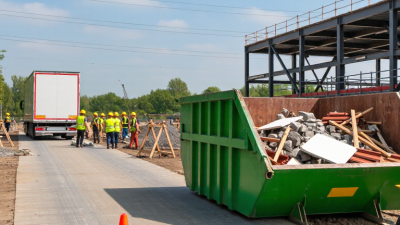
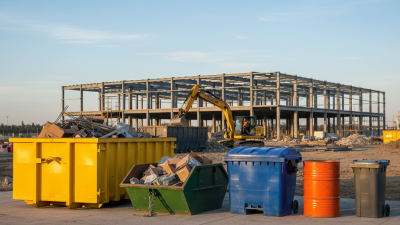
Start with the material on the ground. Concrete, brick, and asphalt need a different bin from timber, drywall, or mixed debris. Keep soil separate when possible. A heavy masonry load can exceed a bin’s safe weight before it looks full. Measure the work area, estimate daily volume, and leave clearance for equipment access. Small details matter.

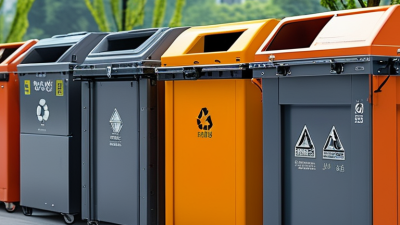
I have seen crews choose a large mixed bin, then discover clean wood buried under broken block. That choice may increase handling costs and reduce recovery value. Place clear labels beside the bin. Use separate containers for metals, clean wood, gypsum, and inert rubble. Watch for contamination. Recheck the plan after demolition begins, because original estimates are often wrong. Ask the hauler how loads are weighed, screened, and documented. The EPA benchmark is national, not a perfect site forecast. Local rules, landfill limits, and recycling capacity still require careful verification.

Calculate Waste Volume, Weight, and Bin Capacity Before Ordering

7 Tips for Choosing the Right Construction Garbage Bin?

Calculate waste before ordering. Measure the work area, estimate each material’s volume, and separate dense waste from bulky debris. Concrete, brick, and soil become heavy quickly, even when the pile looks small. Multiply length, width, and height for regular piles. For uneven piles, divide them into smaller sections. My early estimates were too tidy. Real piles usually contain empty spaces.

Tip 1: Check weight, not just volume. Ask for the bin’s maximum weight and compare it with your waste estimate. A full bin of drywall may fit easily, while a half-full bin of masonry may exceed its limit. Use recent disposal tickets, project records, or supplier density data when available. Keep a small safety margin, perhaps 10 to 15 percent. Guessing remains risky.

Tip 2: Match capacity to the waste stream. A ten-cubic-yard bin may suit bulky timber, but mixed demolition waste needs more careful planning. Allow space below the rim for safe loading and transport. Tip 3: Recalculate after demolition begins. Hidden layers, wet materials, and packaging can change the estimate. A quick daily measurement helps prevent overflow, extra charges, or an unnecessary second delivery. When uncertain, record the mistake and improve the next estimate.

7 Tips for Choosing the Right Construction Garbage Bin? - Calculate Waste Volume, Weight, and Bin Capacity Before Ordering

Tip Planning Dimension Practical Calculation or Benchmark Example Data Ordering Guidance
1 Estimate the waste volume Calculate length × width × average height of the loose waste pile. Convert cubic feet to cubic yards by dividing by 27. A pile measuring 12 ft × 8 ft × 2 ft equals 192 ft³, or approximately 7.1 yd³. Add approximately 10–20% spare volume for uneven loading, bulky pieces, and estimation error.
2 Identify the main waste material Material density strongly affects total weight. Mixed loads should be calculated using a conservative average or separated by material type. Typical loose planning ranges: wood 150–350 kg/m³; concrete and brick rubble 1,200–1,800 kg/m³; mixed construction waste 300–700 kg/m³. Use the higher end of the range when the load contains significant masonry, soil, tile, or wet material.
3 Calculate the expected weight Estimated weight = waste volume × estimated bulk density. One cubic yard equals approximately 0.765 m³. For 7.1 yd³ of mixed waste at 500 kg/m³: 7.1 × 0.765 × 500 = approximately 2,716 kg. Compare the estimate with the hauler’s maximum payload, not only the bin’s physical volume.
4 Match the bin size to the project Select a bin with usable capacity greater than the calculated waste volume. Common construction bin sizes are approximately 10, 20, 30, and 40 yd³. A 7.1 yd³ estimate with a 20% allowance requires about 8.5 yd³, making a 10 yd³ bin a suitable volume choice. Do not fill above the rim. Oversized or protruding debris may require additional handling or removal.
5 Check weight limits separately A bin can reach its weight limit before it reaches its volume limit, especially with concrete, soil, brick, roofing tile, or wet waste. If the 10 yd³ bin has a permitted payload of 4,000 kg, a 2,716 kg estimate is within the stated limit, subject to local rules. Ask for the permitted payload in kilograms or tonnes and confirm whether heavy materials require a dedicated bin.
6 Consider access and placement Check the delivery surface, overhead clearance, turning space, gate width, and distance between the loading area and the truck position. A bin that fits the waste volume may still be unsuitable if the site cannot accommodate the truck or safe delivery area. Measure the access route in advance and confirm local permit requirements for placing a bin on a public road.
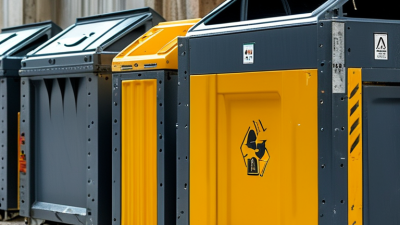
7 Plan for sorting and recycling Separate clean wood, metal, cardboard, concrete, soil, and hazardous materials where facilities and regulations allow. A separated concrete load may be heavier but easier to process than a mixed load containing wood, plastic, and packaging. Confirm prohibited materials before ordering. Paint, solvents, asbestos-containing materials, batteries, and other hazardous waste often require specialist disposal.
Planning note: Density figures are practical estimating ranges for loose construction waste. Actual values vary with moisture, compaction, particle size, and material mix. Confirm bin dimensions, payload limits, accepted materials, and local disposal requirements before ordering.

Match Bin Dimensions to OSHA-Compliant Loading and Access Requirements

7 Tips for Choosing the Right Construction Garbage Bin

Match Bin Dimensions to OSHA-Compliant Loading and Access Requirements

Choosing a construction garbage bin starts with the work area, not the debris estimate. OSHA does not require one universal bin size. However, the container must support safe loading, access, and movement around the site. Measure twice. A bin that is too tall may encourage workers to climb or throw materials from unsafe positions. Select a height that allows controlled loading from ground level or an approved access platform.

Check the bin’s length and width against nearby walkways, equipment routes, doors, and emergency access points. Keep access clear. Leave enough clearance for workers to walk without squeezing between the bin and a wall. Never place a container beneath overhead hazards or where trucks can strike it. A competent site supervisor should review placement before delivery, especially on crowded urban projects. Local rules may add requirements beyond OSHA guidance.

Capacity matters, but overfilling creates real hazards. Debris should remain below the rim and stay stable during collection. Heavy materials, such as concrete or masonry, may require a lower-volume bin because weight limits can be reached first. Ask about rated load limits and safe loading methods. My practical mistake would be choosing volume alone; a large bin is not automatically safer. Recheck the layout after framing, scaffolding, or machinery arrives, since site access often changes faster than expected.

Compare Rental Costs, Pickup Cycles, and Local Disposal Fees

Choosing the right construction garbage bin starts with the full rental cost, not the advertised daily rate. A cheap bin may carry delivery charges, excess-weight fees, or local disposal costs. Request a written quote covering drop-off, rental days, pickup, taxes, and sorting requirements. Ask whether the price changes when debris includes concrete, soil, timber, or mixed waste. These materials often have different disposal rates.

Pickup cycles also affect the final bill. A small renovation may need one scheduled pickup, while a roofing project can fill a bin within two days. Confirm the standard rental period and the cost of an extra pickup. Flexible collection can prevent overflowing materials and unsafe loading around the work area. I once underestimated a bathroom remodel and paid for an avoidable second visit. My calculation ignored the weight of wet plaster.

Local disposal fees deserve careful attention. Call the disposal facility or ask the rental provider for current regional rates. Fees can vary by distance, material, landfill capacity, and recycling requirements. Compare two or three written estimates using the same bin size and rental duration. Check the allowed fill line, maximum weight, and cancellation policy. A larger bin is not always cheaper if it travels half-empty. A smaller bin is not always efficient. Weather, subcontractor schedules, and delayed inspections can change your timeline. Leave a modest budget for these practical uncertainties.

Verify Hauler Licensing, Recycling Rates, and Environmental Records

A construction garbage bin is only as reliable as the hauler behind it. Ask for a current license number, operating authority, insurance certificate, and disposal permits. Confirm these details with your local waste regulator. A printed certificate can be outdated. That small check matters.

The U.S. Environmental Protection Agency reported about 600 million tons of construction and demolition debris in 2018. Around 455 million tons were recycled, while 145 million tons reached landfills. That suggests a recovery rate near 76 percent, but the figure includes asphalt, concrete, wood, and other materials. Your project may perform worse. Ask the hauler for material-specific recycling rates, recent weight tickets, and the final facility receiving each load. “Recycled” should mean more than a vague promise.

Review the hauler’s environmental record before ordering a bin. Search regulator databases for violations, unresolved notices, repeated spills, or illegal dumping findings. Eurostat data has placed construction and demolition waste recovery near 90 percent across the European Union in recent reporting, yet national methods differ. Compare like with like. Request audited figures or annual diversion reports when available. Also check whether the proposed facility accepts contaminated soil, drywall, or treated wood. I have seen project estimates fail because one restricted material changed the disposal route. Cheap service can become expensive quickly.