Best Construction Garbage Bin for Global Buyers?
When managing construction projects, waste disposal is crucial. A reliable construction garbage bin can significantly ease this process. These bins come in various sizes and styles to suit different construction needs.
Understanding which construction garbage bin is best for your project can be tricky. Factors like size, durability, and waste type play essential roles. Some bins are better suited for heavy debris, while others are ideal for lighter materials. Not all bins are created equal, and some may not withstand rigorous job site conditions.
Investing in an appropriate construction garbage bin is vital for project efficiency. A poor choice may lead to delays and additional costs. Buyers should consider their specific needs carefully. Always prioritize quality and reliability in your selection to ensure a smooth workflow.
Types of Construction Garbage Bins Available in the Market
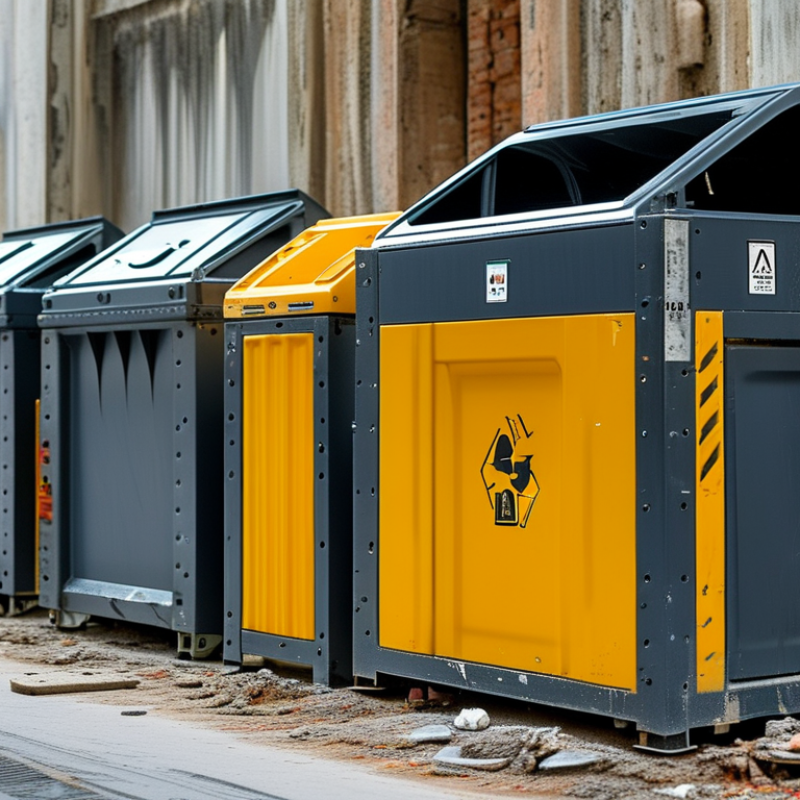
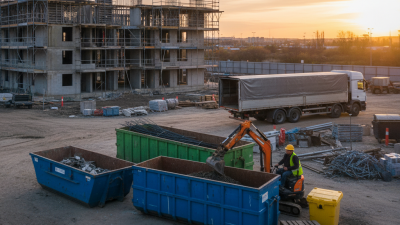
Construction garbage bins come in various types, each designed for specific needs. Roll-off bins are popular on construction sites. They are large, portable, and often have a capacity of 10 to 40 cubic yards. These bins allow for easy collection of bulky materials like wood and metal. Their open-top design makes disposal straightforward, but they require sufficient space for placement.
Another option is the front-load garbage bin. These are smaller and ideal for ongoing projects where waste needs consistent removal. They typically hold 2 to 8 cubic yards. The front-load design ensures easy access for trucks to service them regularly. However, these bins can become full quickly on large sites, necessitating frequent emptying.
A less common but useful option is the compacting bin. These bins compress waste, allowing for high-density storage. This feature is valuable in urban areas with space limitations. However, they may require more maintenance and monitoring to operate effectively. Each type of construction garbage bin has its pros and cons. Determining the right fit depends on the specific project requirements and site conditions.
Best Construction Garbage Bin for Global Buyers? - Types of Construction Garbage Bins Available in the Market
| Type of Bin |
Capacity (Cubic Yards) |
Weight Limit (lbs) |
Ideal Use Case |
Material |
| Standard Construction Bin |
10 |
2000 |
Small renovation projects |
Steel |
| Roll-Off Bin |
20 |
4000 |
Medium to large construction sites |
Steel |
| Mini Bin |
4 |
1000 |
Home cleanups and small jobs |
Plastic |
| Compactor Bin |
30 |
6000 |
Large-scale operations |
Metal |
| Hazardous Waste Bin |
15 |
3000 |
Construction with hazardous materials |
Specialized Steel |
Key Features to Consider When Choosing a Construction Garbage Bin
When selecting a construction garbage bin, it's essential to consider key features that impact efficiency and safety. According to the Waste Management Research Institute, approximately 25% of construction waste goes unmanaged. This highlights the importance of a functional garbage bin. The bin's capacity should fit the project scale. Larger projects generate more debris, necessitating bins that hold substantial amounts.
Durability is another critical factor. Most construction bins are made from metal or heavy-duty plastic. These materials can withstand rough handling and harsh weather. A study by the Construction Materials Institute revealed that bins made from recycled materials perform equally well as conventional ones, supporting environmental sustainability.
Safety features are also vital. Bins should have secure lids to prevent spillage and limit exposure to hazardous materials. A report from the Occupational Safety and Health Administration indicates that improper waste management can lead to workplace injuries. Having a bin with easy access and secure lifting points facilitates safe disposal. These considerations ensure compliance with safety regulations, ultimately fostering a safer work environment.
Comparative Analysis of Popular Construction Garbage Bin Brands
When evaluating construction garbage bins, it’s essential to consider various factors like durability, capacity, and design. Reports indicate that the global market for construction waste containers is projected to reach around $1.5 billion by 2026, showcasing a significant increase in demand. In the industry, bins typically come in sizes ranging from 10 to 40 cubic yards, accommodating different project scales. Notably, trends suggest a growing preference for eco-friendly materials.
Current studies show that robust designs can enhance the longevity of garbage bins. However, not all bins meet these expectations. For example, a high rate of wear and tear can occur if the materials aren’t assessed properly. Frequent complaints highlight that some brands may falter in heavy-duty scenarios, raising concerns about reliability. It’s crucial to scrutinize user reviews and not just specifications advertised by manufacturers.
Moreover, the ease of use and accessibility is vital. Many bins lack features that promote straightforward operation, which can lead to inefficiencies on-site. Research indicates that well-designed bins can reduce labor costs by up to 20%. Yet, many options available still leave room for improvement. Comparing different brands reveals significant discrepancies in features and user satisfaction that can affect overall project success.
Cost Factors and Budgeting for Construction Garbage Bins
When choosing construction garbage bins, cost factors are vital. The initial rental price can vary widely based on size and location. Usually, larger bins cost more. However, smaller bins may not suffice for extensive projects. It is important to assess your needs carefully. Renting a bin that's too small can lead to additional expenses when overflow occurs.
Budgeting for construction garbage bins also involves hidden costs. Consider transportation fees, which can add up based on distance. Some providers charge extra for weight limits. Be cautious; exceeding weight limits may result in significant charges. Understanding these variables helps in making informed decisions.
Buyers should also factor in the duration of the rental. Short-term projects might lean toward daily or weekly rentals. Long-term projects may benefit from monthly pricing. It’s not always easy to predict the exact timeline. Unexpected delays can happen. Ensuring flexibility in your rental agreement might save you additional costs later on.
Best Construction Garbage Bin Cost Analysis
This bar chart represents the average costs associated with different sizes of construction garbage bins. The data showcases how pricing increases according to the size of the bin, which is a crucial consideration for global buyers planning their construction projects.
Environmental Considerations and Recycling Options for Construction Waste
Construction waste management is a pressing concern in the building industry. In 2020, the construction sector generated over 600 million tons of waste in the United States alone. A significant portion ends up in landfills, where it contributes to pollution and greenhouse gas emissions. Efforts to recycle construction materials are crucial. Currently, only about 20% of construction waste is recycled, which indicates a need for improvement in practices and awareness.
Implementing effective recycling options can reduce waste significantly. For instance, reclaiming asphalt, wood, and concrete can save resources. It’s reported that recycling concrete can reduce carbon emissions by up to 80% compared to traditional disposal methods.
However, the process can be inefficient. Not all contractors utilize available recycling programs. Sometimes, logistics can complicate the recycling process.
An environmental assessment reveals gaps in education about recycling. Many builders lack knowledge of local recycling facilities and regulations.
Efforts to educate teams on sustainable practices are crucial. Ignoring these issues may worsen the waste crisis. Addressing construction waste through recycling not only benefits the environment but can also result in long-term cost savings for projects.