7 Best Construction Waste Dumpsters for Global Buyers
Choosing the right construction waste dumpster can shape a project’s cost, safety, and environmental performance. Global buyers face different site conditions, material types, collection systems, and supplier standards. A compact roll-off dumpster may suit a narrow renovation site. A larger hook-lift container may handle concrete, timber, or mixed debris more efficiently.
Sustainable construction authority Carl Elefante, FAIA, has said, “The greenest building is the one already standing.” His observation highlights a practical truth: waste prevention should begin before disposal. Careful material estimates, on-site separation, and suitable container sizing can reduce unnecessary trips and contamination. They can also make recycling decisions clearer.
This guide compares seven construction waste dumpster options for international buyers. It considers capacity, loading access, durability, mobility, waste separation, and typical project use. It also examines details that are easy to overlook, such as door clearance, pickup scheduling, container placement, and local acceptance rules. Small mistakes can become expensive quickly. A dumpster placed too far from the work area may increase handling time. An oversized container may leave unused space and inflate transport costs.
There is no perfect choice for every project. That point deserves attention. Supplier claims may sound precise, yet site realities often differ. Buyers should verify dimensions, permitted materials, delivery conditions, and final disposal arrangements directly with qualified providers. The best construction waste dumpster is not always the biggest or cheapest. It is the one that matches the actual waste stream, working space, project duration, and responsible disposal plan.
What Construction Waste Dumpsters Are and How They Work
7 Best Construction Waste Dumpsters for Global Buyers
What Construction Waste Dumpsters Are and How They Work
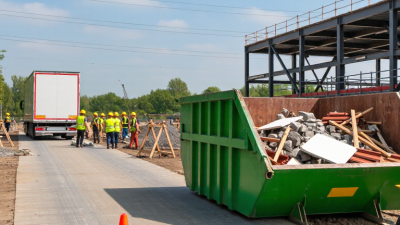
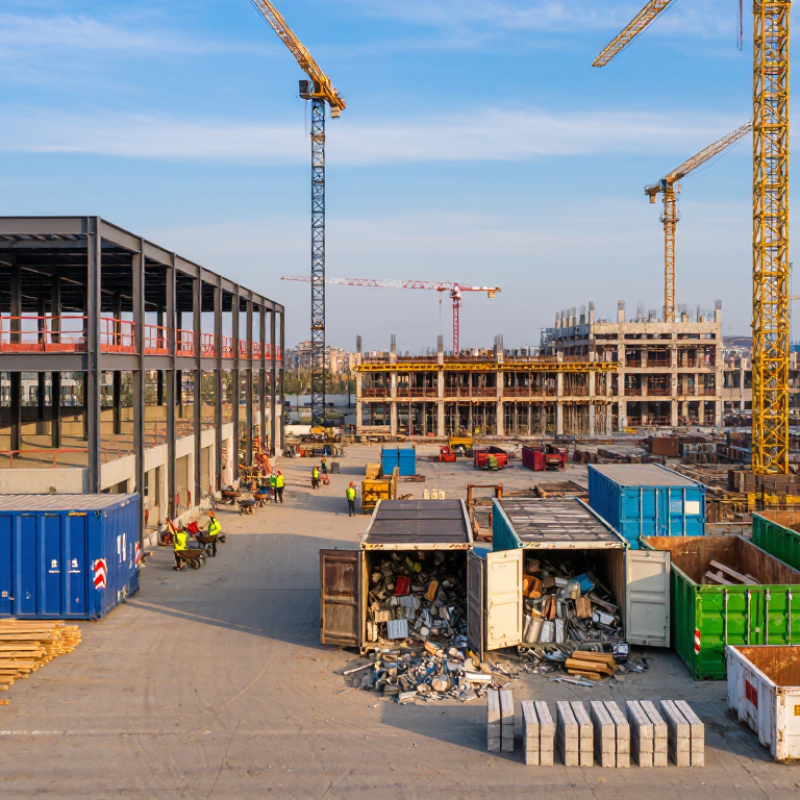
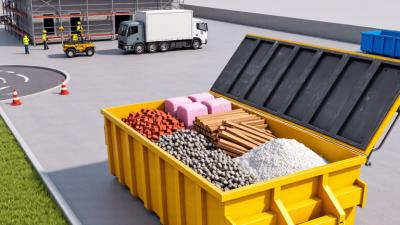
A construction waste dumpster is a heavy container for collecting, storing, and transporting job-site debris. Common options include roll-off, front-load, rear-load, hook-lift, skip, sealed, and compactor dumpsters. Roll-off units use a cable or hydraulic system to slide onto a truck. Their open tops suit concrete, timber, drywall, and metal. Compactors apply pressure, reducing waste volume before collection.
The United States Environmental Protection Agency estimated over 600 million tons of construction and demolition debris in 2018. The European Environment Agency reports that this waste represents more than one-third of total waste in the European Union. These figures show why container selection matters. A ten-cubic-yard box may suit a bathroom renovation. A forty-cubic-yard roll-off fits major structural work. Weight limits still apply.
Separate waste streams when possible. Mixed debris often increases sorting costs and reduces recovery value. Keep the container on stable ground, away from cranes, doors, and drainage channels. Weather covers help prevent rainwater and lightweight dust from escaping. Local truck access, loading height, road rules, and disposal permits can change the practical choice. The largest dumpster is not always the best one. It may cost more and encourage careless loading. Keep it simple. A small sizing mistake can still delay a project.
7 Best Construction Waste Dumpsters for Global Buyers
What Construction Waste Dumpsters Are and How They Work
Construction waste dumpsters are heavy-duty containers used to collect, transport, and dispose of materials such as concrete, wood, drywall, metal, and mixed renovation debris. Roll-off dumpsters are delivered by a hook-lift truck, while front-load dumpsters are emptied mechanically by a collection vehicle.
The chart compares seven widely used dumpster configurations by nominal capacity. Actual capacity, loading limits, dimensions, and permitted materials vary by local regulations, container design, waste density, and hauling service.
How to Evaluate Dumpster Capacity, Materials, and Access
7 Best Construction Waste Dumpsters for Global Buyers
How to Evaluate Dumpster Capacity, Materials, and Access
Choosing a construction dumpster starts with the waste profile, not the advertised size. Estimate the volume of concrete, timber, drywall, and packaging separately. Heavy rubble can overload a large container before it looks full. A ten-cubic-yard unit may suit a bathroom renovation, while major demolition often needs several larger units. Measure twice.
Capacity should include working space for safe loading. Waste must stay below the fill line, with no sharp pieces extending over the sides. This reduces shifting during collection and helps prevent damage to nearby property. My own planning mistake was trusting floor area alone; debris height changed the estimate significantly.
Material quality also affects performance. Thick, coated steel handles broken masonry better than lightweight sheet metal. Check welds, door hinges, lifting points, and corrosion protection before ordering. Access deserves equal attention. Measure gate widths, turning angles, overhead cables, and the truck’s approach route. Leave room. A container may fit the driveway but block workers, drainage, or emergency movement. Place it on firm, level ground, and consider boards beneath the wheels to protect paving. Local loading limits and placement rules can vary, so confirm them with the waste operator and site authority.
Seven Best Construction Waste Dumpsters for Different Projects
Choosing the right construction waste dumpster depends on access, material volume, and loading habits. A 10- to 40-yard roll-off dumpster suits demolition debris, roofing waste, and concrete removal. Its open top allows crews to load bulky materials with carts or small machines. A front-load dumpster fits smaller renovation sites with regular waste collection. A rear-load model works well beside narrow buildings because its hinged lid and compact footprint need less clearance. For restricted driveways, a mini dumpster can reduce ground pressure and simplify placement. It fills quickly, though, and may require more frequent service.
A hook-lift dumpster supports projects that need flexible pickup locations or multiple containers. It is useful for roadwork and larger structural repairs. An enclosed dumpster protects lightweight insulation and dust-sensitive debris from wind and rain. A compactor suits long projects that produce steady volumes of packaging, wood, or mixed waste. It reduces collection frequency but needs safe, trained operation. These seven choices are not universally best. I have seen crews select large containers for limited waste, leaving wasted space and higher transport costs. Measure the loading area, estimate daily debris, and confirm local placement requirements before delivery. Waste density can change unexpectedly, especially when wet materials enter the container.
Global Delivery, Placement, and Regulatory Requirements
7 Best Construction Waste Dumpsters for Global Buyers
Global delivery begins with the waste stream, not the container. The seven practical choices include roll-off dumpsters, hook-lift bins, concrete bins, soil bins, wood bins, enclosed dumpsters, and compactors. Each suits different material volumes and site conditions. The U.S. Environmental Protection Agency reported about 600 million tons of construction and demolition debris in 2018. That figure shows why correct sizing matters. An oversized unit wastes transport space; an undersized unit creates extra collections.
Placement rules can change by city. A dumpster beside a public road may require a permit, reflective markings, lighting, and pedestrian clearance. On private land, access for collection trucks still needs checking. Measure gate width, turning radius, overhead cables, and ground strength before delivery. Wet soil can swallow a loaded container. It happens more often than planning documents suggest.
Regulatory checks should cover weight limits, disposal routes, customs paperwork, and material restrictions. Eurostat reported that construction generated 38.4% of total EU waste in 2022. Local authorities may require separate containers for concrete, timber, soil, and mixed debris. Some projects also require tracking documents from pickup to final treatment. Ask for these records before ordering. Global delivery is not always the best option. Local fabrication may reduce freight emissions, delays, and import complications, although quality control can become less consistent. That trade-off deserves honest review.
Pricing, Recycling, and Disposal Considerations for International Buyers
For global buyers, the best construction waste dumpster is not always the largest one. The seven practical formats include roll-off, open-top, enclosed, front-load, rear-load, hook-lift, and compactor containers. Choice depends on debris volume, loading space, road access, and rental duration. A 30-cubic-yard roll-off may suit a concrete renovation, while a smaller enclosed unit protects dry waste from rain. Confirm dimensions in meters, not only local container labels.
Pricing becomes difficult across borders. Ask for a written quote showing delivery, collection, weight limits, landfill fees, taxes, currency, and waiting charges. A low rental rate can hide expensive overage fees. Request a sample invoice. Weigh tickets matter. International buyers should also confirm who handles local permits and disposal documentation.
Recycling plans should be agreed before delivery. Separate concrete, clean wood, metal, cardboard, and mixed debris when site space allows. Cleaner loads usually receive better recycling rates and fewer contamination charges. Disposal facilities may require acceptance records and transfer documents. Rules vary sharply between cities and countries. Field estimates are imperfect; wet drywall and hidden rubble can double weight. Recheck the volume after the first collection.
7 Best Construction Waste Dumpsters for Global Buyers - Pricing, Recycling, and Disposal Considerations for International Buyers
| Dumpster type | Typical capacity | Typical external size | Recommended construction use | Indicative rental price | Typical payload guidance | Recycling potential | International disposal considerations |
|---|---|---|---|---|---|---|---|
| 10-yard open-top roll-off | 10 yd³ / 7.6 m³ | Approx. 3.7 m L × 1.8 m W × 1.2 m H | Small renovations, bathrooms, kitchens, roofing work, and limited masonry removal | US$250–650 per rental period | About 2–4 metric tonnes; dense materials may reach the weight limit before the container is full | High for clean concrete, brick, metal, untreated wood, and cardboard when separated | Check road-access width, lifting clearance, local weight limits, and whether mixed loads are accepted at the destination facility |
| 20-yard open-top roll-off | 20 yd³ / 15.3 m³ | Approx. 6.1 m L × 2.4 m W × 1.2 m H | General remodeling, flooring, drywall, timber, packaging, and moderate demolition debris | US$350–850 per rental period | About 3–6 metric tonnes, subject to local container and truck restrictions | High if wood, metal, gypsum, cardboard, and inert mineral waste are source-separated | Confirm permitted waste categories, contamination fees, maximum loading height, and local requirements for placing containers on public roads |
| 30-yard open-top roll-off | 30 yd³ / 22.9 m³ | Approx. 6.1 m L × 2.4 m W × 1.5 m H | Large residential projects, commercial fit-outs, roofing replacement, and bulky but relatively light debris | US$450–1,050 per rental period | About 4–7 metric tonnes; concrete and soil require special weight planning | Moderate to high; recovery improves substantially with separate containers for inert, metal, wood, and gypsum waste | Avoid overfilling above the rim, use a cover where required, and verify landfill or material-recovery-facility acceptance rules before dispatch |
| 40-yard open-top roll-off | 40 yd³ / 30.6 m³ | Approx. 6.1 m L × 2.4 m W × 2.1 m H | Major commercial construction, structural demolition, bulky packaging, and high-volume light waste | US$550–1,300 per rental period | About 5–8 metric tonnes; the volume is best suited to lightweight materials rather than dense rubble | Moderate; mixed loads often reduce recovery, so a dedicated recycling plan is recommended | Requires substantial truck maneuvering and overhead clearance; confirm permit needs, site bearing capacity, and transport axle limits |
| 15 m³ hook-lift container | 15 m³ / 19.6 yd³ | Approx. 5.5 m L × 2.4 m W × 1.2 m H | Projects requiring fast container exchange, restricted sites, roadwork, and separated material streams | US$400–1,000 per rental period | About 5–10 metric tonnes, depending on the container specification and vehicle rating | High for segregated aggregates, scrap metal, clean timber, and green waste | Confirm hook-lift compatibility, lifting-zone clearance, container locking requirements, and local rules for transporting wet or dense loads |
| Sealed hazardous-waste container | 6–10 m³ / 7.8–13.1 yd³ | Typically 3.5–5.5 m L × 2.0–2.4 m W × 1.2–1.8 m H | Paint residues, contaminated soil, asbestos-containing materials, chemical containers, and other regulated waste | US$800–3,000+ per rental period | Load limit varies widely; use the licensed carrier’s written limit and never compact unknown or hazardous materials | Usually low; some metals, solvents, and construction products may require specialized recovery routes | Requires waste classification, labels, manifests, trained handlers, approved transport, and a licensed treatment or disposal facility; cross-border movement may require additional permits |
| 20–30 m³ waste compactor | 20–30 m³ / 26.2–39.2 yd³ | Approx. 6.0–7.0 m L × 2.4 m W × 2.4–2.6 m H | High-volume packaging, insulation offcuts, light mixed construction waste, and projects with limited collection frequency | US$900–2,500 per rental period, excluding power and service charges | Equipment-dependent; dense rubble, steel, liquids, and hazardous materials are generally unsuitable | Moderate; compaction can increase transport efficiency but may make later material separation more difficult | Needs a stable level surface, electrical or hydraulic service, safe operating clearance, and confirmation that the receiving facility accepts compacted loads |
Related Posts
-
How to Choose a Construction Site Dumpster?
-
5 Best Construction Garbage Bins for Global Buyers
-
2026 How to Choose the Right Construction Trash Bin?
-
7 Tips for Choosing the Right Construction Garbage Bin?
-
7 Tips for Choosing Construction Trash Containers?
-
2025 Top 5 Construction Roll Off Dumpsters for Efficient Waste Disposal