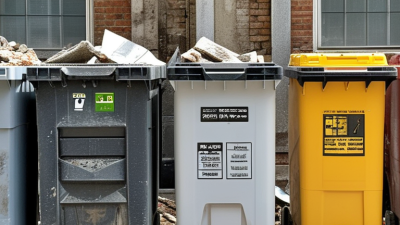
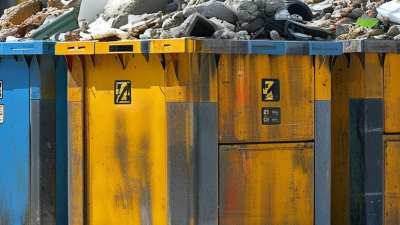
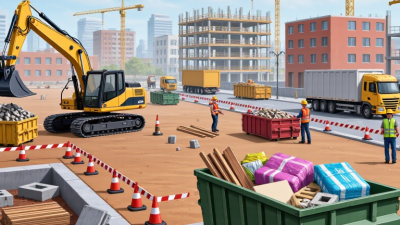
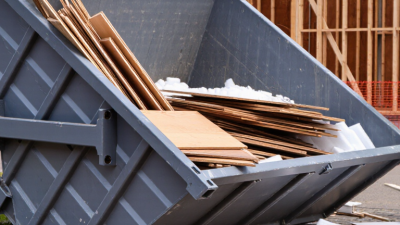
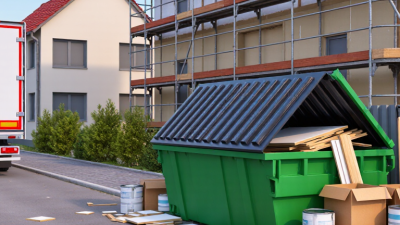
Why Choose Construction Waste Bin Rental?
Construction projects create more than visible rubble. They produce wood offcuts, drywall, packaging, concrete, and metal that can quickly crowd a driveway or work area. The U.S. Environmental Protection Agency estimated that the United States generated 600 million tons of construction and demolition debris in 2018—more than twice its municipal solid waste. That figure is substantial, though it is a national estimate, not a forecast for every job. It shows why a clear plan for handling debris matters.
Construction waste bin rental can give crews a designated place for debris, reduce repeated trips, and help keep walkways and work zones clearer. The right container depends on the project’s materials, volume, access, and pickup schedule. Ask the provider what materials are accepted and where collected debris goes; a rental bin does not guarantee recycling. A bin alone cannot make a project sustainable. Sorting still takes effort.
Architect Carl Elefante, former president of the American Institute of Architects, is known for the line, “The greenest building is the one that is already built.” His point speaks to conserving resources, a useful principle when planning renovations and managing leftover materials. For homeowners, contractors, and property managers, choosing a properly sized bin can make cleanup more predictable. It may also prevent a small pile from becoming a bottleneck beside the loading door. The details matter: estimate carefully, confirm service terms, and leave room for safe access. A little planning helps.
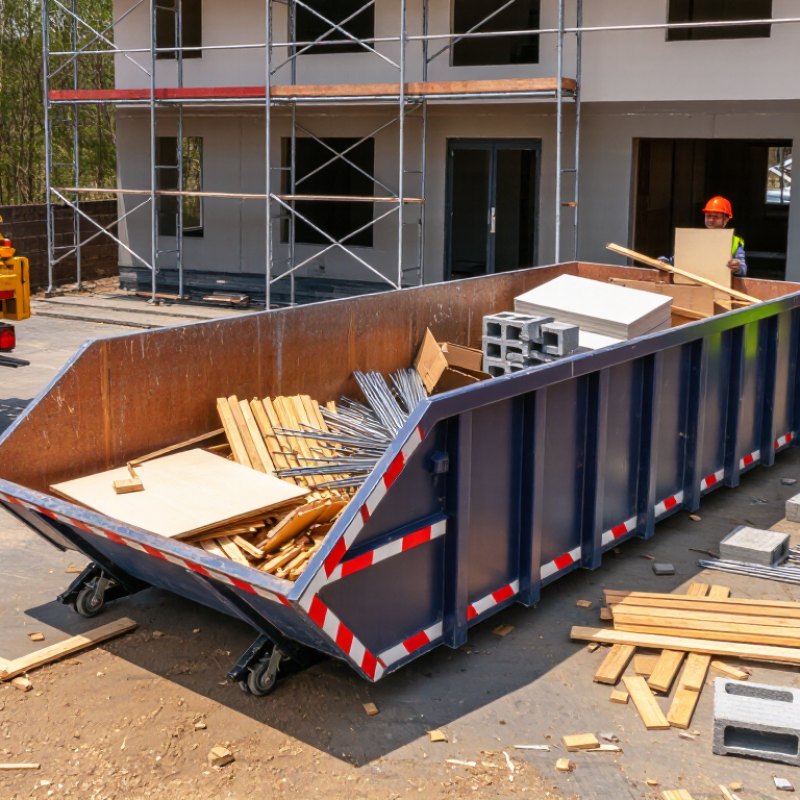
Understanding Construction Waste Bin Rental
Construction waste bin rental provides a temporary, scheduled way to collect debris at a building site. A provider delivers a container, then hauls it away when it is full or the rental period ends. Choose capacity based on the work, not guesswork: a kitchen remodel produces different waste from a roof replacement. Ask about weight limits, accepted materials, placement, pickup timing, and extra charges before booking. Concrete and soil can become heavy quickly.
The scale is substantial. The U.S. Environmental Protection Agency estimated that the country generated about 600 million tons of construction and demolition debris in 2018, more than twice its municipal solid waste. In the same report, EPA estimated that 455 million tons went to “next use,” while 145 million tons were landfilled. Those figures show why sorting matters. Keep clean wood, metal, cardboard, and concrete separate when the hauler accepts them; mixed loads may limit recovery options. Check the rules first.
At the site, place the bin on firm, accessible ground, away from doorways and equipment paths. Load evenly, keep debris below the fill line, and avoid adding materials the rental agreement excludes. A quick daily check can prevent blocked access and unsafe overfilling. Still, a bin is not magic. Rental plans can be confusing, and one wrong assumption about weight may cost more than expected. Read the terms carefully, and confirm pickup when the job changes.
How the Rental and Collection Process Works
A smooth rental starts with a clear estimate. List the materials, note bulky items, and estimate how much space the debris will occupy. A small pile can grow quickly once broken drywall and lumber are loaded. Choose a bin with room to spare, then confirm weight limits, accepted materials, delivery access, and placement rules with the rental provider. Details matter.
The scale is substantial. The U.S. Environmental Protection Agency estimated that construction and demolition activities generated about 600 million tons of debris in 2018—more than twice the amount of municipal solid waste. Its report, Construction and Demolition Debris Generation in the United States, also estimated that 455 million tons were directed to next use, largely through recycling. These national figures show why sorting and clear disposal instructions matter, though they cannot predict what a local facility accepts.
On delivery day, keep the drop-off area clear and make sure trucks can reach it. Load evenly, keep debris below the rim, and separate materials when instructed. A crowded bin may look efficient. It can complicate pickup. When the project is nearly done, request collection and mention any changes in the load. One overlooked detail is timing: if pickup is scheduled too early, work may stall; too late, and the bin can block access. Allowing a little flexibility helps, even when the schedule is not perfect.
Which Construction Projects Benefit from Bin Rental
Construction waste bin rental can help projects that produce bulky debris faster than crews can move it away. Home renovations often generate drywall, flooring, cabinets, and packaging in a short period. A driveway bin keeps those materials in one collection point instead of scattered across rooms. It also gives tradespeople clearer walkways. Small sites need that space.
Roof replacements, siding jobs, and window upgrades can benefit too. Shingles, trim, and old frames pile up quickly, especially when several sections are removed in one day. For larger builds, a bin near the work zone can reduce repeated trips to a disposal facility. That saves crew time, though placement matters. A blocked delivery route can create a new problem.
Bin rental may suit landscaping and demolition projects when soil, concrete, or mixed debris is involved, but not every bin accepts every material. Confirm what the container can hold before work begins, and estimate volume from the actual scope. A small bathroom remodel may need less capacity than a whole-house renovation. It is easy to underestimate. Check overhead clearance, ground strength, and access for the delivery vehicle; these practical details can affect whether rental is worthwhile.
Key Advantages for Waste Handling and Site Safety
Construction waste bin rental gives crews a defined place for broken drywall, timber offcuts, and packaging. That matters when several trades work in a tight area. Loose debris can block walkways, hide uneven ground, or roll beneath equipment. A clearly placed bin helps keep access routes open and reduces unnecessary handling. It is not a safety fix by itself.
Choose a bin size that fits the work, not just the available space. Before delivery, check that trucks can reach the drop-off point without crossing busy work zones. Keep the bin on stable ground, away from exits and pedestrian paths. Small details matter. Avoid filling it above the marked line; shifting or falling material can create hazards during collection. In reality, the first size estimate is sometimes wrong.
Regular pickup also helps prevent overflow as demolition or framing work speeds up. Separate materials when the project plan or service instructions call for it, and keep sharp or bulky pieces contained. Ask the rental provider what materials they accept and how loading should be handled. Plans change. Review bin placement as site access shifts, especially when scaffolding, deliveries, or temporary walkways move.
Why Choose Construction Waste Bin Rental?
A clear view of U.S. construction and demolition debris management
The U.S. EPA estimated that 455 million tons of construction and demolition materials were directed to next use in 2018, while 145 million tons were landfilled. Renting appropriately sized bins can help keep debris contained and make organized collection and sorting easier on site; these figures describe national material management, not rental-bin performance.
Source: U.S. EPA
How to Choose the Right Bin Size and Rental Provider
Choosing a construction waste bin starts with the material, not just the project’s size. Timber offcuts and packaging take up space, while concrete, tile, and soil can reach weight limits quickly. Estimate the volume of debris, then ask whether the bin’s weight allowance suits your materials. A renovation can produce more waste than expected, so leave some room. Measure the driveway or work area, including space for delivery and pickup. Measure it twice.
When comparing rental providers, ask for the bin dimensions, included rental period, weight allowance, and fees for extra time or excess weight. Confirm what materials they accept, and describe your waste clearly rather than relying on a broad estimate. A reliable provider should explain placement needs and collection timing in plain language. Check whether a full bin could block a garage, walkway, or neighboring access. The cheapest quote may not cover the service window you need; that is an easy detail to miss. If the schedule changes, find out how to request an extension before the bin arrives.