What Types of Construction Waste Containers Are Available?
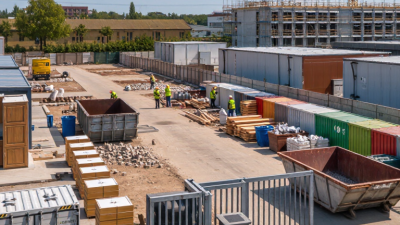
Choosing the right construction waste containers can shape a project’s safety, cost, and environmental performance. Demolition debris, soil, timber, metals, and mixed rubbish each require different handling. A container that suits clean concrete may be unsuitable for plasterboard or contaminated materials. Size matters too. An oversized skip can waste valuable space, while a small bin may create overflow, extra collections, and unsafe access routes.
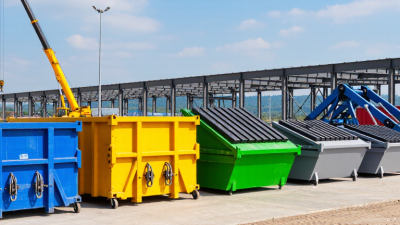
William McDonough, a leading circular-design architect, has said, “Waste equals food.” That idea changes how contractors view containers. They are not merely boxes for disposal. They can support sorting, recovery, and cleaner material flows. In practice, roll-off dumpsters often serve large demolition sites, while front-load containers suit regular construction pickups. Smaller enclosed bins can help control dust and protect lighter materials from rain. Compactors may reduce collection frequency, although they are not suitable for every waste stream.
The best choice depends on volume, material type, loading space, collection schedules, and local disposal requirements. Site experience reveals an uncomfortable detail: estimates are often wrong. Waste volumes change quickly when designs, deliveries, or demolition conditions shift. A careful plan should allow adjustment.
This guide examines the main types of construction waste containers, their practical uses, and their limitations. It also considers access, segregation, safety, and recycling potential. Container selection is not a perfect science. Still, informed decisions can prevent avoidable costs and make a worksite cleaner, safer, and more accountable.
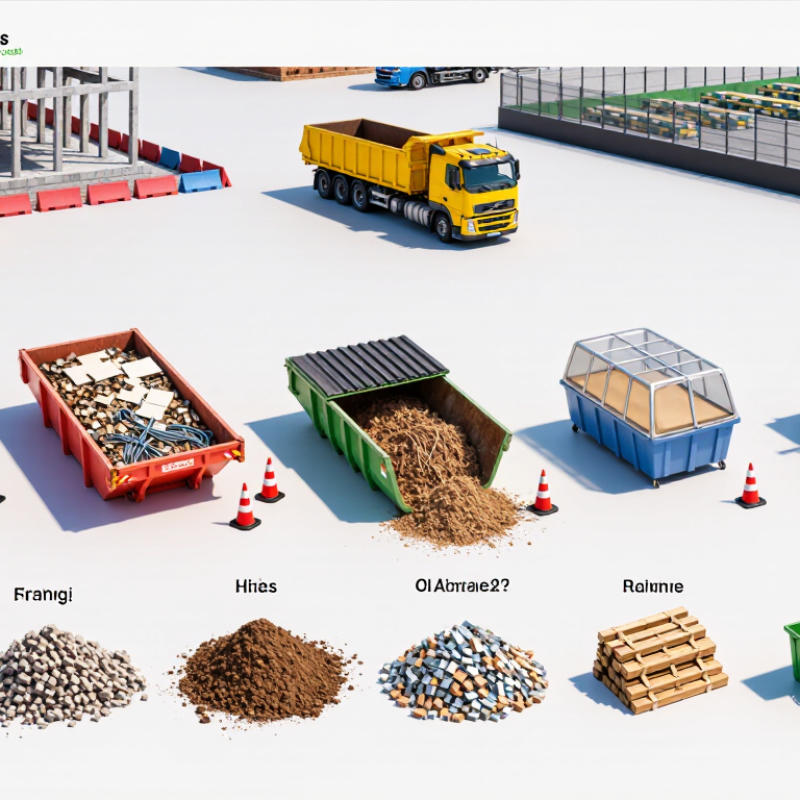
Construction Waste Containers: Purpose and Basic Types
Construction waste containers keep debris separated, contained, and ready for removal.
The U.S. Environmental Protection Agency estimated that construction and demolition activities generated about 600 million tons of debris in 2018.
That scale makes container choice practical, not cosmetic. A roll-off container suits bulky material such as timber, drywall, and roofing. Its open top allows loading from above, while a swing door can help workers move heavy pieces inside. Smaller front-load dumpsters fit routine waste from compact renovation sites. They are emptied by lifting equipment, so clear access matters.
Separate containers can also hold concrete, clean wood, metal, or mixed debris. This makes sorting easier and may support recovery, though local haulers determine which materials they accept.
EPA reported that about 455 million tons of 2018 construction and demolition debris were directed to recycling or other uses.
That figure covers a broad range of materials and does not mean every site can recycle everything. A covered container can limit rain exposure for certain materials; a sealed unit may suit dusty waste. Details matter. I have seen container plans overlook the walking distance from work areas. Workers then leave debris beside the bin, which defeats the purpose. Size, placement, pickup frequency, and waste type should guide the choice.
Open-Top Containers for Bulky Construction Debris
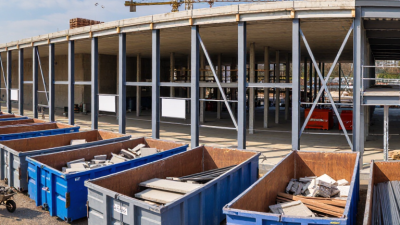
Open-top containers suit bulky construction debris because crews can load from above. Wide openings make it easier to place broken drywall, timber offcuts, doors, and uneven pieces without forcing them through a small hatch. That saves awkward handling. On tight sites, though, delivery access and overhead clearance can matter as much as container size.
The U.S. Environmental Protection Agency estimated that 600 million tons of construction and demolition debris were generated in 2018; demolition accounted for about 90 percent. This scale helps explain why choosing a container that accepts large, irregular loads matters. But open-top does not mean unlimited capacity. Keep debris below the rim, distribute heavy material evenly, and confirm the container’s weight limit and pickup requirements with the waste hauler.
Open tops are less suitable when debris must stay dry or when light material could blow away. A tarp may help, but it is not a substitute for checking site conditions and local handling requirements. I would also avoid assuming that one container size fits every phase of a project; estimates can change once walls or floors are opened. EPA, “Construction and Demolition Debris: Material-Specific Data,” 2018.
Enclosed Containers for Dusty or Lightweight Waste
Enclosed construction waste containers are useful when debris is dusty, lightweight, or easily scattered. Their solid sides and closable top help limit windblown material during storage and transport. Drywall fragments, insulation offcuts, packaging, and sawdust are common examples. A covered container can also reduce rain entering the load, which matters when wet debris becomes heavier and harder to handle.
Choose a container with enough capacity for the work area, but do not fill it above its safe loading line. Keep heavier pieces low and distribute them evenly. Fine dust may still escape through gaps, so check the lid, doors, and seams before loading. Small detail, big difference. Workers should avoid tossing debris from height; a sudden plume can spread dust across a nearby walkway. In practice, a container that looks fully enclosed may not seal tightly. That assumption can be wrong. Inspect the closure after each shift, and follow site procedures for controlling dust while loading. If the waste is damp or unusually dense, confirm the container’s rated capacity rather than judging by volume alone.
Specialized Containers for Concrete, Soil, and Heavy Materials
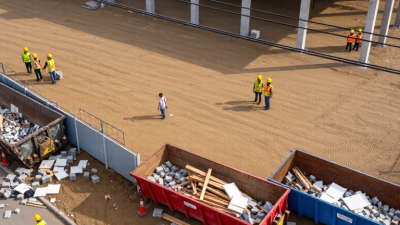
Concrete, soil, and other heavy materials need containers selected for weight, not just volume. Reinforced, low-sided roll-off containers can make loading dense debris easier. However, a large container may reach its weight limit while still looking half empty. Confirm the hauler’s weight allowance and truck access before choosing a size. Concrete is often easier to handle separately from mixed construction debris.
Soil needs special attention because moisture adds substantial weight. A covered container helps keep rain from soaking the load, especially during a long project. For clean soil, ask whether the receiving facility requires it to remain separate from concrete, roots, or general waste. Heavy mixed materials can be difficult to sort later. That detail is easy to miss on a busy site. Match the container’s placement to the excavator’s reach and leave stable ground around it.
Tips: Estimate material volume, then check weight limits with the hauler. Keep concrete and soil in separate containers when practical. Don’t fill above the marked line, and leave room for safe pickup. If the estimate feels uncertain, it often is; reassess after the first loads.
Construction Waste Container Types and Typical Capacities
Specialized containers for concrete, soil, and other heavy materials are often smaller to help manage load weight.
Capacities shown are common nominal container sizes in cubic yards, not weight limits. Availability and safe loading limits vary by container provider, material, and local regulations.
How to Choose the Right Container for a Construction Project
Construction waste containers include compact roll-off bins, larger open-top dumpsters, and enclosed units. The right choice depends less on the project label than on debris volume, weight, site access, and pickup timing. For a bathroom remodel, a small container may hold tile, drywall, and fixtures without occupying the driveway all week. Heavy concrete changes the calculation. Its weight can reach a service limit before the container looks full.
Estimate materials by type instead of guessing the size of one mixed pile. Ask the rental provider about weight allowances, restricted materials, and options for separating clean wood, metal, or concrete. A low-sided container makes bulky framing easier to load, while a covered unit helps keep rain off absorbent debris. Check the route too. The delivery truck needs firm ground, overhead clearance, and room to turn; a narrow gate can rule out an otherwise suitable size.
Match the container to the work schedule. A renovation with steady debris may need planned exchanges, while a short demolition may suit one larger delivery. Measure the placement area and protect paving with boards if needed. Leave space for access. Ordering too much can waste money, but an undersized container can cause overflow and delays. Estimates are imperfect, especially before walls are opened, so check how quickly an exchange can be arranged if hidden damage adds unexpected material.