How to Choose Construction Waste Containers in 2026

In 2026, choosing construction waste containers starts with the work happening on site. A kitchen renovation may produce cabinets, drywall, and a surprising amount of packaging. A concrete pour leaves a different load, often heavier and denser. The right container must fit the material, available space, pickup access, and project schedule. A bin that looks roomy can still be unsuitable when heavy debris fills it too quickly. Small details matter.

Architect and circular-design advocate William McDonough, alongside chemist Michael Braungart, popularized the principle, “Waste equals food.” It offers a useful lens for container planning: keep reusable materials separate where practical, rather than mixing everything into one load. This guide will examine container types, capacity, material sorting, placement, pickup frequency, and service questions to ask before booking. It will also consider how weather, narrow driveways, and changing project phases affect the choice. A container near the work area saves carrying time; one placed without checking truck access can create delays. That part is easy to overlook.

No single size or setup works for every job. Site conditions change, and estimates can be wrong. Even an experienced contractor may need to adjust the plan after demolition begins. Use the guidance as a starting point, then confirm the details with the container provider and project team.
How to Choose Construction Waste Containers in 2026

Classify Project Debris: U.S. C&D Waste Reached 600 Million Tons in 2018

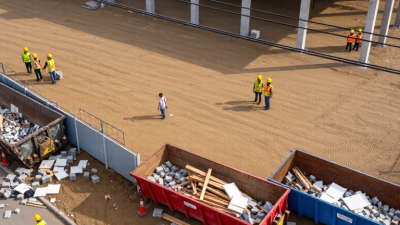
Choosing a construction waste container starts with knowing what is going into it. The U.S. Environmental Protection Agency estimated that 600 million tons of construction and demolition debris were generated in 2018. Its report, Advancing Sustainable Materials Management: 2018 Fact Sheet, says more than twice as much C&D debris was generated as municipal solid waste that year. That number matters. A mixed pile of concrete, timber, drywall, and packaging can quickly become heavy and difficult to sort.

The same EPA report estimated that 455 million tons of C&D materials were directed to “next use,” while 145 million tons were landfilled. These figures cover a broad range of materials, not just debris from new construction. On site, separate clean concrete and brick from wood, gypsum board, and general waste where practical. Concrete and masonry need sturdy containers, and their weight may reach load limits before the container looks full. Check the hauler’s weight limits and local sorting rules before ordering.

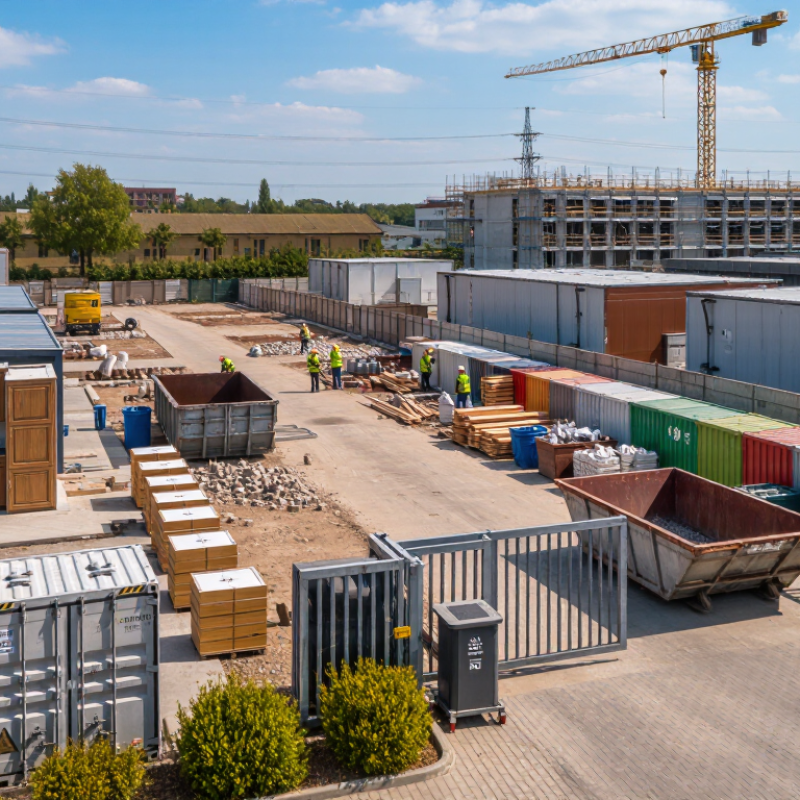
A small renovation may need one container, but a demolition or concrete pour often needs separate bins. Label them clearly, and keep them close to where crews work. It sounds obvious, yet it is easy to skip when schedules tighten. Mixed loads can be harder to recover, so track what actually fills each bin during the first workdays. That record may be imperfect, but it can improve the next container order.

Estimate Material Volume, Weight, and Required Container Capacity

Estimate the pile before choosing a container. Measure its length, width, and average height, then multiply the figures and divide by 27 to estimate cubic yards. Keep odd shapes in mind. Measure twice. EPA’s 2018 Construction and Demolition Debris Generation in the United States report estimated 600 million tons of debris that year; about 90% came from demolition. This national figure shows the scale of the waste stream, but it cannot predict the weight of your specific load.

Volume and weight are different limits. A container may have room left while heavy concrete, brick, or soil reaches its payload limit. Estimate each material separately, and use supplier weight tables or project records rather than assuming all debris weighs alike. Ask the hauler for both the container’s usable volume and its weight allowance. That estimate is imperfect, especially when wet materials or hidden layers are involved.

Allow space for safe loading, and avoid piling material above the container’s fill line. If the job includes dense masonry alongside lighter wood or drywall, separate loads may make capacity easier to manage. Compare your estimated cubic yards and total weight with the hauler’s limits before delivery. A quick site check can catch a mismatch, though it is easy to overlook what is under the visible pile.

Match Container Type to Debris, Loading Method, and Site Access

The U.S. EPA’s 2018 construction and demolition materials report estimated 600 million tons of debris generated nationwide—more than twice the municipal solid waste total. It estimated 455 million tons came from demolition and 145 million from construction. These figures show why “one container for everything” can be a costly guess. Separate dense concrete or masonry from lighter wood, packaging, and mixed renovation debris when the work plan allows.

Concrete is unforgiving. Use a smaller container for dense loads, and confirm payload limits with the hauler; filling a large box to the rim may exceed weight limits first. Bulky, lighter debris often suits an open-top roll-off. If workers will hand-load, a lower side or walk-in door can reduce awkward lifts. For skid-steer loading, check the machine’s reach and turning space before choosing the container height. A good fit on paper may fail at the curb.

Access changes the choice. Measure the gate, overhead clearance, turning area, and ground stability, then compare them with the delivery truck’s needs. Keep the container close enough to limit wheelbarrow trips, but not where excavators or emergency routes must pass. The EPA estimates are national, not a site forecast. Your debris mix may differ. Recheck it after the first few loads.

How to Choose Construction Waste Containers in 2026

Match container type to debris, loading method, and site access.

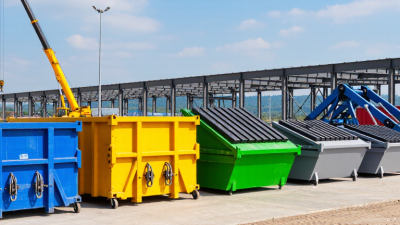
Common roll-off containers are available in nominal capacities of 10, 20, 30, and 40 cubic yards. Smaller containers can suit dense debris such as concrete, which may reach weight limits before the container is full. Larger containers hold more bulky, lighter waste but require enough room for delivery, placement, and loading. Confirm accepted materials, weight limits, dimensions, and loading access with the local hauler before choosing.

Plan Placement and Permits for Construction-Site Containers

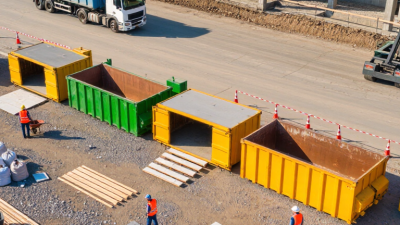
Before choosing a construction waste container, map its position on the site plan. Measure the container footprint, then allow space for the delivery truck to lower and collect it. A spot beside the work area may seem convenient, but it can block equipment, pedestrian routes, or emergency access. Measure twice. Check overhead wires, tree branches, gates, and turning space, too.

Ask the local permitting office whether a placement permit is required, especially for containers on streets, sidewalks, or other public areas. Rules, fees, and approval times vary by location. Confirm any conditions for reflective markings, traffic cones, or temporary signs before scheduling delivery. Keep written approval and site contacts available for the crew. Small detail, big problem.

The ground must support both the loaded container and the delivery vehicle. Look for soft soil, steep slopes, drains, and recently buried utility lines. Use a firm, level surface, and protect pavement with suitable boards if the site manager recommends them. Keep the container clear of storm drains, and plan how runoff will move after rain. That happens: even a well-marked spot can become muddy or obstructed once work begins. Recheck the location when fencing, materials, or access routes change.

Compare Hauling Costs, Recycling Options, and Contamination Rules

Choosing a construction waste container in 2026 means comparing more than the rental price. Ask whether hauling is charged by the trip, by weight, or both. Check the included weight, rental period, overage rate, and fees for extra pickups. It adds up. A container filled with concrete can exceed its weight allowance before it looks full.

Compare quotes using the same container size and service period. Recycling may lower disposal costs, but only when the receiving facility accepts the material and it stays clean. Separate concrete, metal, untreated wood, and cardboard when the site has room and crews can keep streams apart. Extra bins take space and labor. They do not always save money.

Contamination rules vary by hauler and local facility. Request a written list of accepted materials, including limits on mixed debris, wet loads, and attached materials. A single wrong item can lead to a rejected load or added sorting charges. Small print matters. A common planning miss is choosing a container before estimating heavy materials. Recheck the estimate against the work schedule, and leave room for uncertainty.

How to Choose Construction Waste Containers in 2026 — Compare Hauling Costs, Recycling Options, and Contamination Rules

Use this comparison to match container size and waste type to your project. Cost figures are illustrative U.S. planning ranges in USD; local rates, included tonnage, rental period, disposal fees, and availability vary.

Container option Best suited for Typical capacity Illustrative hauling cost Recycling options Common contamination rules Useful checks before booking
10-yard mixed construction container Small renovations, bathroom or kitchen tear-outs, and limited demolition debris. About 10 cubic yards; heavy materials can reach weight limits before the container is full. $300–$600 per haul Some facilities recover metals, clean wood, cardboard, and other accepted materials from mixed loads. Keep out hazardous waste, liquids, batteries, and items prohibited by the local facility. Soil, concrete, and roofing may have separate limits. Confirm included weight, rental days, overage charges, and whether mixed-load sorting is available.
20-yard mixed construction container Medium remodeling work, flooring removal, roofing, or a moderate cleanout. About 20 cubic yards; commonly selected for projects with bulky, relatively light debris. $400–$800 per haul Mixed-load recovery may divert metals, untreated wood, and other locally accepted materials from disposal. Do not mix in restricted hazardous materials. Separate clean concrete, brick, or soil when required by the hauler. Ask whether the quoted rate includes disposal and what happens if the load exceeds its weight allowance.
30-yard mixed construction container Larger renovations, multi-room projects, and substantial non-heavy demolition debris. About 30 cubic yards; actual usable volume depends on loading rules and debris shape. $500–$1,000 per haul Recycling is more practical when materials are sorted before loading; mixed-load recovery depends on the receiving facility. Overfilled containers may not be transportable. Keep prohibited materials and dense debris within the hauler’s stated limits. Check container dimensions, placement space, fill line, permit needs, and pickup scheduling.
40-yard mixed construction container Large commercial cleanouts or projects producing high volumes of light, bulky material. About 40 cubic yards; generally better for volume than for dense debris. $600–$1,200 per haul Cardboard, metal, and clean wood may be recoverable if separated or accepted by the local sorting facility. Heavy materials can exceed legal or service weight limits even when the container is not full. Hazardous waste is typically excluded. Compare the cost of one large container with multiple smaller hauls; verify access and truck clearance.
Dedicated concrete, brick, or masonry container Driveway, patio, foundation, block, and other clean masonry removal. Often 10–20 cubic yards; fill limits are usually based on weight, not container volume. $250–$700 per haul Clean concrete and masonry may be crushed for aggregate or road-base uses where local processors accept them. Loads may need to contain only approved inert material. Soil, wood, drywall, trash, asphalt, or reinforcing steel may be restricted. Ask the facility’s material specifications and maximum loading height or weight before filling.
Dedicated clean wood or metal container Projects generating a substantial, relatively consistent stream of untreated wood or recyclable metal. Size varies by material and service; bulky wood and dense metal have different loading limits. $250–$800 per haul Clean wood may be chipped or processed; separated ferrous and non-ferrous metals may be sent to recycling markets. Clean streams are generally required. Painted or treated wood, attached materials, insulation, and mixed trash may be rejected or charged as contamination. Confirm accepted material grades, whether fixtures must be stripped, and how contamination fees are calculated.
Source-separated recycling containers Projects able to keep cardboard, metal, clean wood, or other accepted materials separate at the work site. Choose size according to each material stream and collection frequency. $250–$900 per haul; material-specific pricing may differ Separation can improve recovery and may reduce disposal costs, depending on local markets and service terms. Each container must contain only the materials specified by the receiving facility; wet, mixed, or prohibited items can lead to rejection or extra fees. Get the accepted-material list and contamination threshold in writing; confirm whether recycling rebates or fees apply.

Planning note: These ranges are broad estimates, not quotes. They may exclude taxes, permits, extra rental days, unusual access charges, and over-limit disposal fees. Check local regulations and the hauler’s current written terms before ordering.