How to Choose Construction Garbage Containers?

Choosing the right construction garbage containers can affect site safety, labor time, project costs, and neighborhood conditions. A container that looks spacious may still fail when its doors cannot open beside a wall. A smaller unit may require repeated pickups, slowing crews and increasing transport expenses. The best choice begins with the waste itself, not the container’s advertised volume.

This guide examines common construction waste, including concrete fragments, timber, drywall, packaging, and mixed debris. It considers weight, moisture, loading methods, access routes, and expected removal frequency. On active sites, a truck needs firm ground and enough turning space. Workers also need safe clearance around the container. These details are easy to overlook.

Practical selection requires more than comparing prices. Experienced site managers check container dimensions, weight limits, pickup schedules, and the provider’s service record. They also confirm local disposal requirements and separate recyclable materials whenever possible. Reliable suppliers explain restrictions clearly and provide written terms. Still, no checklist is perfect. Weather changes, design revisions, and unexpected demolition waste can disrupt an estimate. A thoughtful plan leaves some flexibility.

The following sections outline how to match construction garbage containers with project scale, debris type, site layout, and budget. They also highlight mistakes that appear minor but can create serious delays. Good planning is not glamorous. It prevents avoidable problems.
How to Choose Construction Garbage Containers?

Assess the Type and Volume of Construction Waste

How to Choose Construction Garbage Containers?

Assess the Type and Volume of Construction Waste

Choosing a construction garbage container starts with identifying the waste, not guessing the container size. Separate concrete, bricks, timber, drywall, metal, soil, and mixed debris during a site walk. Concrete and soil are extremely heavy, so they may require smaller containers with strict weight limits. Timber and cardboard occupy more space but usually weigh less.

Estimate volume by measuring each waste pile’s length, width, and height. Multiply these dimensions, then allow extra capacity for irregular pieces and safe loading. A renovation may produce several wheelbarrows of drywall each day, while demolition can fill a container quickly. My first estimate was wrong because I ignored broken materials hidden behind walls. Site conditions often change.

Tips: Track daily waste for three working days. Record the material type, number of bags, and approximate weight. Ask the waste provider about container dimensions, loading height, access clearance, and weight allowances. Keep heavy materials evenly distributed. Do not mix wet soil with light debris unless accepted under the service terms. A clear waste plan reduces overflow, extra handling, and unsafe lifting. Check local disposal requirements before ordering, because accepted materials can vary by area.

Choose the Appropriate Container Size and Design

How to Choose Construction Garbage Containers?

Choose the Appropriate Container Size and Design

The right construction garbage container begins with the waste profile, not the contractor’s guess. The U.S. Environmental Protection Agency reported about 600 million tons of construction and demolition debris in 2018. Concrete, wood, drywall, and soil behave very differently inside a container. Heavy materials can exceed weight limits before the container looks full.

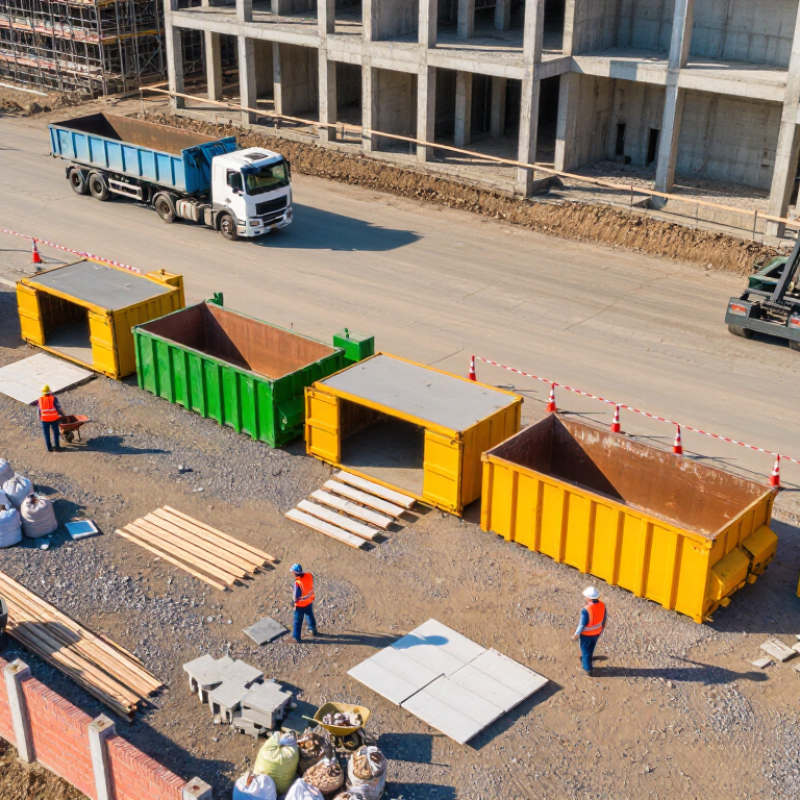
Estimate the waste volume by room, floor, or demolition stage. A small renovation may need a compact container for drywall and timber. Larger structural work often needs several containers or scheduled exchanges. Open-top designs suit bulky materials and quick loading. Enclosed containers help control windblown debris and keep rain away from absorbent waste. Access matters too. A container blocking a narrow driveway creates delays and safety problems.

Leave practical headroom below the fill line. Overloading is a common planning mistake. It can make tarping difficult and increase transport risks. The U.S. Green Building Council notes that construction waste planning supports better material recovery and diversion outcomes. Separate containers can improve sorting, especially for clean concrete, metals, untreated wood, and mixed debris.

Measure the loading area carefully. Check truck clearance, overhead cables, turning space, and ground strength. A container may fit on paper but fail on site. That happens. Review the estimate after the first workday, because actual waste density often differs from the original calculation. A slightly larger container may reduce exchanges, but an oversized unit can waste valuable space and encourage careless mixing.

Check Site Access, Placement, and Safety Requirements

How to Choose Construction Garbage Containers?

Choosing construction garbage containers starts with the site, not the container size. Walk the access route before delivery. Measure gates, turning areas, overhead cables, and ground width. A full container can weigh several tonnes. Weak paving may crack under its wheels. Keep one clear path for workers and emergency movement. Ask the site supervisor to confirm delivery times and vehicle limits. Small details matter.

Placement needs equal care. Set the container on stable, level ground away from trenches, scaffolding, and building entrances. Do not block fire equipment, drainage grates, pedestrian routes, or traffic sightlines. Leave enough clearance for loading and safe lifting operations. Near a road, use visible barriers and suitable lighting. Wind can move loose sheets and packaging, so keep waste below the rim and cover it when needed.

Separate heavy rubble from timber, plasterboard, and general waste when site procedures require it. This improves handling and reduces unsafe overloading. Check the permitted load, container height, and collection schedule with the waste contractor. I have seen delays begin with one overlooked gate measurement. Recheck after rain, excavation, or work-plan changes. Conditions change. A placement that looked safe yesterday may not be safe today.

How to Choose Construction Garbage Containers? - Check Site Access, Placement, and Safety Requirements

Container Type Typical Capacity Suitable Construction Waste Recommended Site Access Placement Requirements Key Safety Requirements Selection Guidance
Mini Skip 2–3 cubic yards
Approximately 1.5–2.3 m³
Small quantities of timber, packaging, plasterboard, tiles, and general renovation debris. Suitable for narrow residential drives and compact urban sites. Confirm the delivery vehicle can enter and turn safely. Place on firm, level ground with enough clearance for loading and collection. Keep access routes and entrances unobstructed. Recommended
Do not overfill above the rim. Keep waste stable and prevent loose materials from falling during collection.
Useful where available space is limited and waste is generated gradually.
Standard Skip 6–8 cubic yards
Approximately 4.6–6.1 m³
Mixed construction waste, wood, metal, masonry, packaging, and general site clearance materials. Requires a clear approach for a skip delivery vehicle and sufficient overhead clearance for loading and removal. Use a stable surface such as concrete, asphalt, or compacted ground. Avoid soft shoulders, drainage covers, and unstable slopes. Recommended
Separate hazardous materials and keep the container away from excavations, edges, and moving plant.
A practical general-purpose option for many small and medium construction projects.
Large Builder’s Skip 10–12 cubic yards
Approximately 7.6–9.2 m³
Large volumes of light, bulky waste such as timber, insulation, drywall, packaging, and non-heavy fit-out debris. Needs a wide, unobstructed access route and adequate turning space. Check gate widths, road restrictions, and overhead cables. Allow clearance around the container for safe loading, inspection, and collection. Do not position it where it blocks fire routes or emergency access. Conditional
Not normally suitable for dense loads of soil, concrete, or rubble unless the permitted weight limit allows it.
Choose this size when waste is bulky but relatively lightweight; confirm maximum payload before ordering.
Roll-On/Roll-Off Container 20–40 cubic yards
Approximately 15.3–30.6 m³
High-volume construction waste, large quantities of timber, segregated materials, and commercial site clearance waste. Requires a large, straight, level approach and adequate space for the delivery vehicle to align and roll the container on or off. Provide a long, level placement area free of parked vehicles, overhead obstructions, soft ground, and underground service risks. Critical
Only trained personnel should coordinate loading and collection. Keep loads below the sides and distribute materials evenly.
Best for major projects with predictable, high-volume waste streams and sufficient site space.
Enclosed Container Varies by design
Commonly 6–12 cubic yards
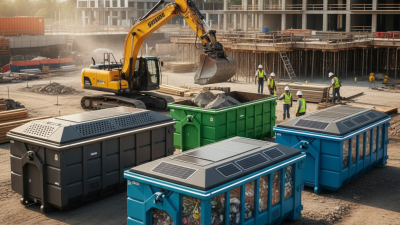
Lightweight waste, dusty materials, confidential fit-out waste, and waste requiring protection from wind or rain. Requires the same delivery access as a comparable open container, plus adequate clearance for doors or lids. Place on level ground and ensure doors can open without entering a traffic lane or blocking pedestrian routes. Recommended
Keep doors closed when not in use. Do not place hot materials, chemicals, or ignition sources inside unless specifically permitted.
Consider it where windblown litter, weather exposure, or unauthorized access is a concern.
Lockable Waste Container Varies by design
Commonly 4–12 cubic yards
General construction waste in areas where access must be controlled or contamination from other waste streams is likely. Provide clear access for authorized users and collection vehicles. Avoid locations that force workers to carry waste through active vehicle routes. Position on stable, level ground and keep the lock and access doors visible, reachable, and free from obstructions. Recommended
Control keys or access codes and inspect the container regularly for unauthorized dumping or unsafe contents.
Suitable for secured sites, shared premises, and projects requiring better waste-stream control.
Inert Waste Container 6–12 cubic yards
Approximately 4.6–9.2 m³
Concrete, bricks, blocks, uncontaminated soil, ceramics, and other dense mineral materials. Requires a firm access route capable of supporting a loaded delivery and collection vehicle. Use a hard, level surface away from excavation edges, retaining walls, buried services, and areas vulnerable to ground settlement. Critical
Dense materials can exceed weight limits before the container is full. Confirm the maximum permitted load and do not mix hazardous or contaminated waste.
Choose by weight as well as volume; a smaller container may be safer and more economical for heavy rubble.
Separate Recycling Container Varies by material
Commonly 6–40 cubic yards
Segregated timber, metal, cardboard, concrete, soil, plasterboard, or other recyclable construction materials. Place where workers can deposit the correct material without crossing unsafe routes or climbing into the container. Use clear labels and keep each container accessible for inspection and collection. Prevent cross-contamination between waste streams. Recommended
Never place incompatible or hazardous materials in a recycling container. Use safe loading methods and avoid throwing heavy items from height.
Often improves recycling rates and may reduce disposal costs when materials are kept clean and separated.
Public-Road Placement Depends on container type and local authority rules Construction waste where there is no suitable private space within the site boundary. Maintain safe visibility, pedestrian access, traffic flow, and clearance for emergency vehicles. A permit may be required. Use required barriers, cones, lights, reflective markings, or other traffic controls specified by the local authority. Critical
Check local permits, parking restrictions, lighting requirements, and maximum placement periods before delivery.
Use private land whenever practical; public-road placement should be planned with the relevant authority and traffic-management requirements.
Restricted or Hazardous Waste Use a dedicated approved container or specialist collection service Asbestos, solvents, oils, paints, contaminated soil, clinical waste, gas cylinders, batteries, and other regulated materials. Access must support controlled handling, inspection, and collection by appropriately trained personnel. Keep separate from general waste, secure from unauthorized access, and protect from damage, weather, and incompatible materials. Critical
Do not place regulated or hazardous waste in a general construction container. Follow applicable classification, packaging, labeling, transport, and disposal rules.
Identify hazardous materials before ordering and obtain professional guidance where the waste classification is uncertain.

Measurements and capacities are typical planning ranges and vary by container design and local supplier. Before delivery, verify vehicle dimensions, maximum payload, overhead clearance, ground bearing capacity, permits, traffic controls, and local waste regulations.

Compare Rental Services, Costs, and Collection Schedules

How to Choose Construction Garbage Containers?

Rental services differ in more than container size. Ask whether delivery, pickup, disposal, and weight limits appear separately on the quote. A low daily rate can hide high overage charges. The U.S. Environmental Protection Agency estimates that U.S. construction and demolition activities generated about 600 million tons of debris in 2018, more than twice municipal solid waste. That scale makes sorting and accurate pricing important.

Measure the working area before choosing a container. A narrow driveway may need a smaller unit, while a roof replacement can fill one quickly with dense shingles. Request a rental period that matches your crew’s actual production. Many services offer seven-day or fourteen-day terms, but collection timing varies by location and demand. Ask whether an extra pickup can be scheduled within 24 to 48 hours. It may prevent blocked access and unsafe material piles. Confirm the maximum weight, prohibited materials, and charges for extending the rental.

Collection schedules should follow the project rhythm, not guesswork. A demolition phase may require frequent exchanges, while interior remodeling usually needs fewer pickups. EPA’s Construction and Demolition Debris Management report shows that concrete, asphalt, wood, and gypsum dominate this waste stream, yet their weights differ sharply. A container filled with concrete reaches its limit sooner than one holding light packaging. I once underestimated that difference on a small renovation. The container looked half full, but the invoice reflected its weight. Getting written terms and comparing two or three local quotes is slower, but usually more reliable.

Confirm Local Regulations and Responsible Waste Disposal

How to Choose Construction Garbage Containers?

Choosing a construction garbage container starts with local rules, not container size. Municipal authorities may restrict placement, loading height, collection times, and accepted materials. The U.S. Environmental Protection Agency estimated 600 million tons of construction and demolition debris in 2018. That volume was more than twice the amount of municipal solid waste. European Environment Agency reports also place construction waste at roughly 25–30% of total waste in the European Union. Regulations vary by city. Confirm permits, road-use requirements, and disposal routes before delivery. Ask the waste contractor where the material will go.

“Recycled” should mean a documented process, not a casual promise.

Match the container to the waste stream. Concrete, timber, soil, packaging, and mixed debris often require different handling. Keep heavy materials below the container’s weight limit. Overloading creates unsafe lifting and transport conditions. Some regulated materials need separate, approved management. Never place them into a general construction container.

Responsible disposal also depends on accurate records, including collection dates, material types, weights, and facility receipts. These details support compliance and reveal waste patterns. A smaller container may seem cheaper, but repeated collections can increase traffic, emissions, and cost. I have seen estimates fail when site teams ignored access space and changing waste volumes.

Tips: Check local rules in writing. Measure the loading area. Separate reusable materials early. Leave clearance for collection equipment. Photograph each load before pickup. Review the final disposal receipt. Reconsider the plan if contamination charges appear.