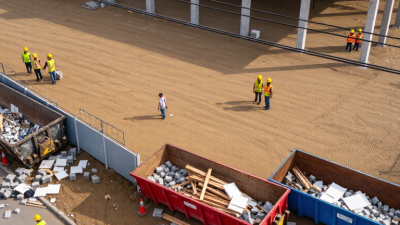
10 Best Construction Waste Containers for Global Buyers
Choosing the right construction waste containers can shape project safety, site efficiency, and disposal costs. Global buyers face different climates, loading methods, transport distances, and waste classifications. A container that works in a dense European city may fail on a remote mining site. Capacity alone is not enough.
This guide compares ten practical container types for construction projects. It considers roll-off bins, hook-lift containers, front-load units, compactors, and enclosed models. Each option is assessed through durability, access, drainage, loading height, mobility, and maintenance needs. Details matter. A reinforced corner protects the box during crane handling. A tight lid helps keep rainwater and loose debris inside. Clear volume markings reduce overloading mistakes.
William McDonough, a leading circular-design expert, said, “Waste equals food.” His idea encourages buyers to treat discarded materials as potential resources, not merely unwanted debris. Therefore, this review also considers segregation, reuse, and recycling potential. Supplier documentation, local service capacity, and container return procedures deserve equal attention. Do not trust impressive photographs alone. Inspect welds, hinges, wheel assemblies, and corrosion protection where possible.
No ranking is perfect. Project conditions change quickly. A low-cost container may become expensive when transport delays, poor access, or frequent repairs appear. That weakness deserves reflection. The best construction waste containers are not always the largest or newest models. They are the ones that match the waste stream, handling equipment, site layout, and responsible disposal plan. This comparison aims to make that decision clearer, more practical, and easier to verify.
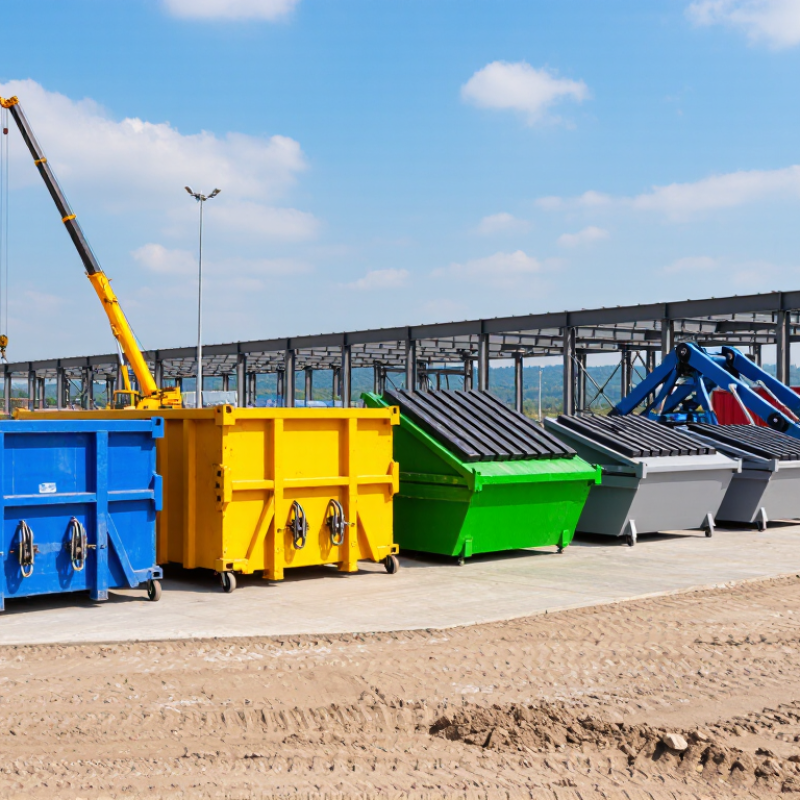
Construction Waste Containers: Types, Uses, and Selection Criteria
Construction waste containers vary by capacity, structure, and loading method. Open-top containers suit bulky timber, concrete fragments, and mixed renovation debris. Enclosed containers help control dust and protect lighter materials from rain. Roll-off units support large demolition projects, while compact bins fit narrow urban sites.
Selection depends on waste volume, material density, access, and collection frequency. Heavy concrete can overload a large container before it looks full. Check the rated load, door design, lifting points, and floor strength. A low loading height reduces worker strain. Weather-resistant surfaces also improve service life, especially in coastal or rainy regions. Local transport limits and site clearance requirements deserve careful checking. They are sometimes overlooked.
Tips: Measure the access route before ordering. Include turning space, overhead cables, and ground conditions. Separate recyclable materials when practical. Clear labels can prevent costly mixing. Ask suppliers for inspection records, delivery photos, and replacement procedures. This information supports dependable purchasing across borders.
Price alone can mislead global buyers. A cheaper container may require more frequent collection or repairs. Request exact dimensions, material specifications, warranty terms, and shipping details. Confirm whether quoted costs include delivery, lifting, taxes, and empty returns. There is no perfect container. Site conditions change, and an initial estimate may prove wrong. Reviewing actual fill levels after the first collection can improve the next order.
Container Size and Capacity for Different Construction Projects
Container selection starts with material, access, and lifting limits, not a catalog number. The U.S. Environmental Protection Agency reported about 600 million tons of construction and demolition debris in 2018. A 3–6 cubic meter container suits bathroom upgrades, small repairs, and limited interior work. It fits beside many urban properties. Keep it reachable.
Medium renovation projects usually need 8–15 cubic meters. This range handles timber, plasterboard, packaging, and broken masonry without constant collection requests. Large structural work may require 20–30 cubic meters, especially for bulky framing or lightweight insulation. Heavy concrete and soil need more caution. Volume fills quickly, but weight limits arrive first.
The European Commission identifies construction and demolition waste as the European Union’s largest waste stream, representing roughly 25–30% of total waste. That scale makes separation important. Dedicated containers can prevent clean timber, metal, and masonry from becoming one expensive mixed load. Fill levels should stay below the rim, with materials distributed evenly. A recent site review may reveal an uncomfortable truth: the “right” container was too large because the estimate ignored access routes and daily production. Recheck actual volumes after the first collection, then adjust the size. Variations in local density, loading equipment, and haulage rules still require technical confirmation.
| No. | Container Type | Typical External Size (L × W × H) |
Approx. Internal Volume | Typical Usable Capacity | Best-Suited Construction Projects | Key Selection Advantage |
|---|---|---|---|---|---|---|
| 1 | 6 yd³ Front-Load Bin | 6 × 6 × 4 ft (1.83 × 1.83 × 1.22 m) |
Approx. 6 yd³ (4.6 m³) |
About 1.5–2.5 t* | Small interior renovations, retail fit-outs, office remodeling and recurring light construction waste. | Compact footprint for narrow access points and sites with limited placement space. |
| 2 | 10 yd³ Roll-Off Container | 12 × 8 × 3.5 ft (3.66 × 2.44 × 1.07 m) |
Approx. 10–12 yd³ (7.6–9.2 m³) |
About 2–4 t* | Bathroom and kitchen renovations, roofing repairs, landscaping and small demolition work. | Low sidewall height makes loading bulky debris easier while keeping the container relatively easy to place. |
| 3 | 12 yd³ Low-Profile Roll-Off | 16 × 8 × 2.5 ft (4.88 × 2.44 × 0.76 m) |
Approx. 12 yd³ (9.2 m³) |
About 2–4 t* | Floor replacement, drywall removal, home extensions and projects where manual loading is common. | Low loading height improves worker access and reduces the need for ramps or lifting equipment. |
| 4 | 15 yd³ Roll-Off Container | 14 × 8 × 4 ft (4.27 × 2.44 × 1.22 m) |
Approx. 15–17 yd³ (11.5–13.0 m³) |
About 3–5 t* | Medium residential remodels, roofing replacement, masonry removal and mixed construction debris. | Balanced size for medium-volume waste without requiring the space of a full-size container. |
| 5 | 20 yd³ Roll-Off Container | 22 × 8 × 4 ft (6.71 × 2.44 × 1.22 m) |
Approx. 20–26 yd³ (15.3–19.9 m³) |
About 4–8 t* | New-home construction, major remodeling, concrete-free demolition and general commercial construction. | One of the most versatile options for mixed materials, lumber, drywall and packaging waste. |
| 6 | 20 yd³ Heavy-Duty Metal Bin | 20 × 8 × 4 ft (6.10 × 2.44 × 1.22 m) |
Approx. 20–24 yd³ (15.3–18.4 m³) |
About 6–10 t* | Brick, block, asphalt, soil, concrete fragments and heavy masonry generated by structural demolition. | Reinforced construction is better suited to dense waste, but the material weight must remain within local limits. |
| 7 | 30 yd³ Roll-Off Container | 22 × 8 × 6 ft (6.71 × 2.44 × 1.83 m) |
Approx. 30–40 yd³ (22.9–30.6 m³) |
About 5–8 t* | Large commercial fit-outs, warehouse clearing, multi-room demolition and high-volume light debris. | High wall capacity reduces collection frequency when the waste is bulky but not unusually dense. |
| 8 | 40 yd³ High-Capacity Roll-Off | 22 × 8 × 8 ft (6.71 × 2.44 × 2.44 m) |
Approx. 40–52 yd³ (30.6–39.8 m³) |
About 6–10 t* | Large-scale commercial construction, institutional projects, packaging waste and extensive interior demolition. | Maximum practical volume for lightweight, bulky waste on sites with sufficient clearance and access. |
| 9 | 8 yd³ Dedicated Recycling Bin | 8 × 6 × 4 ft (2.44 × 1.83 × 1.22 m) |
Approx. 8 yd³ (6.1 m³) |
About 1.5–3 t* | Source-separated wood, scrap metal, cardboard, gypsum board and other recyclable construction materials. | Supports cleaner material streams and can improve recovery rates when several bins are placed by waste type. |
| 10 | 7 yd³ Concrete Washout Container | 12 × 8 × 2 ft (3.66 × 2.44 × 0.61 m) |
Approx. 7 yd³ (5.4 m³) |
About 8–12 t when filled with hardened concrete* | Concrete pours, bridge work, foundations, paving projects and sites requiring controlled concrete washout. | Low, lined containment helps collect wash water and concrete residue while reducing uncontrolled discharge risks. |
*Capacity note: Payload ranges are practical planning estimates only. Actual allowable weight depends on container construction, waste density, lifting equipment, road regulations and local disposal-site limits. Never fill a container above its marked fill line or applicable transport-weight limit.
Material, Durability, and Safety Features to Compare
The ten best construction waste containers are not identical across every job site. Steel roll-off containers handle broken concrete, bricks, and sharp metal with dependable strength. Galvanized steel resists surface corrosion in wet climates. Aluminum offers lighter handling, but heavy rubble can dent it. High-density polyethylene suits lighter waste and coastal projects because it resists moisture and chemicals. Enclosed containers help control dust, windblown debris, and unauthorized access. Hook-lift, front-load, skip, compact, and rubble containers each serve different loading conditions. Check wall thickness, weld quality, door hinges, and base reinforcement before comparing prices.
Durability should match the waste, not merely the advertised capacity. A 30-cubic-yard unit may fail early if overloaded with dense masonry. Look for reinforced corners, balanced lifting points, smooth interior surfaces, and visible load markings. Safety details deserve equal attention. Lockable doors, reflective panels, stable lids, and protected edges reduce daily hazards. Drainage openings can prevent trapped rainwater, but they may release contaminated runoff. Local disposal rules and transport requirements still matter. I have seen buyers choose a low-cost container, then spend more on repairs and delayed collection. That mistake is easy to repeat.
Tips: Ask for material certificates, load-test records, and clear maintenance instructions. Inspect one sample before placing a large order. Leave working space around doors and lifting points. If workers struggle to reach the rim, the container design needs reconsideration. Oqartussat
Loading, Placement, Transport, and Disposal Considerations
Construction waste containers are selected by waste type, volume, site access, and handling equipment. Experienced site teams measure the loading zone before delivery. Check doorway width, overhead cables, turning space, and ground strength. Small details matter. A container that fits the project may not fit the property.
Load materials evenly to prevent shifting during lifting and transport. Keep heavy concrete near the base, while lighter wood and packaging stay above it. Do not overfill the container or allow debris to extend beyond its sides. I once underestimated how quickly broken masonry increases weight. That mistake caused extra handling time and a revised collection schedule.
Placement should protect drains, walkways, and nearby structures. Use stable ground protection where the surface may crack or sink. During transport, confirm that the hauler secures the load and follows local road requirements. Disposal planning should begin before delivery. Separate recyclable materials when practical, and keep potentially contaminated waste isolated. Requirements differ between cities and countries, so buyers should verify permits, weight limits, accepted materials, and disposal records with local authorities. Clear documentation improves traceability, although paperwork can still be overlooked during busy site changes.
10 Best Construction Waste Containers for Global Buyers
Typical nominal capacities are shown below to support decisions about loading, placement, transport, and disposal. Actual dimensions and permitted payloads vary by country, container design, and waste material.
Buying guidance: Mini and midi skips suit small renovation projects and restricted sites. Builder skips and front-load containers are practical for mixed construction waste. Roll-off, hook-lift, and large open-top containers provide higher capacity for demolition and bulky materials, but require more placement space and suitable lifting or hauling equipment. Confirm truck access, maximum payload, local permit requirements, contamination rules, and disposal or recycling options before ordering.
Global Purchasing Factors: Regulations, Costs, and Supplier Evaluation
Choosing construction waste containers for global projects requires more than comparing price lists. Regulations differ by country, city, and waste class. In the European Union, construction and demolition waste represents over one-third of total waste generation, according to the European Commission. The U.S. Environmental Protection Agency estimated 600 million tons of construction and demolition debris in 2018. These figures show why buyers should confirm licensing, transfer documents, load limits, and accepted materials before ordering.
Cost control also needs a wider view. The cheapest container can become expensive after transport, disposal, permits, waiting time, and contamination charges. Ask suppliers for a complete landed-cost breakdown. Check steel thickness, door design, lifting points, weather protection, and replacement procedures. Request evidence of inspection records and environmental management practices, such as ISO 14001 certification. Supplier claims are useful, but site references are stronger. I have seen schedules fail when container exchanges were promised without checking local haulage capacity.
Tips: Match container volume to daily waste output, not the project’s total estimate. Confirm whether concrete, timber, soil, or mixed waste needs separate units. Review regional rules in writing. A small pilot order can expose hidden fees and poor delivery performance. Also question unusually low quotations; they may exclude disposal or permit costs. According to the World Bank’s What a Waste 2.0 report, global waste generation could reach 3.4 billion tonnes annually by 2050, making traceability increasingly important. The data is broad, not construction-specific, but it still signals growing procurement pressure.
Related Posts
-
7 Tips for Choosing Construction Trash Containers?
-
How to Choose Construction Garbage Containers?
-
How to Choose the Right Construction Trash Containers for Your Project
-

Best Construction Garbage Containers for Efficient Waste Management?
-
2026 How to Choose the Right Construction Disposal Containers for Your Project?
-
Best Construction Garbage Containers to Buy for Your Project?