Best Construction Garbage Containers for Efficient Waste Management?
In the realm of construction waste management, "construction garbage containers" play a vital role. Experts emphasize their importance in ensuring efficient disposal. Tom Hargrove, a veteran in waste management, stated, "Efficient waste disposal starts with the right containers."
Choosing the best containers can significantly impact project timelines and costs. Proper selection minimizes risks associated with waste hazards. Construction sites generate diverse waste types, making container variety essential. From debris to recyclable materials, the right container can streamline operations.
However, many project managers overlook container efficiency. They often choose based on cost alone, ignoring vital factors like size and durability. This could lead to delays and increased expenses. Efficient deployment of construction garbage containers demands thoughtful planning and ongoing assessment. Engaging with experts can shed light on best practices, but even seasoned professionals must adapt to evolving challenges in waste management.
Types of Construction Garbage Containers for Various Project Needs
When managing construction waste, choosing the right container is crucial. Different project needs require specific types of containers to handle the variety of materials generated.
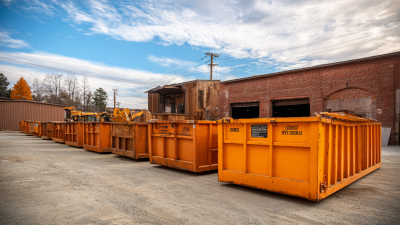
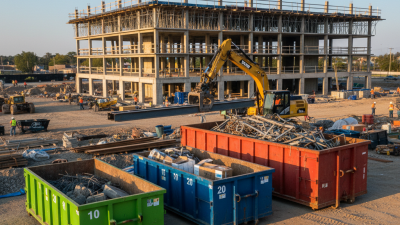
Standard roll-off containers are common for larger sites. They can hold large volumes of debris and make disposal simple. These containers are ideal for demolition projects or extensive renovations.
For smaller projects, such as home renovations, yard debris containers offer a practical solution. They are compact and can easily fit in tight spaces. These containers usually accommodate smaller loads of waste, making them efficient for less intensive tasks.
Another option is a front-load container, which is perfect for sites with frequent waste generation. They have a lower profile and allow for easy access.
However, selecting the wrong type can lead to issues. Overloading containers can cause spillage, creating hazards on the site. It's essential to assess your project's waste type and volume before deciding. Reflect on how your team's workflow interacts with waste management. Understanding these needs will help optimize efficiency and maintain a safe work environment.
Factors to Consider When Choosing Construction Garbage Containers
When selecting construction garbage containers, consider the size, type, and local regulations. The container size must accommodate the volume of waste generated on your site. For instance, a typical construction project can produce between 4 to 8 tons of waste per week. Choosing an appropriately sized container ensures efficiency and reduces the frequency of pickups.
Material type plays a crucial role too. Containers constructed from durable materials, like steel, withstand heavy debris and resist damage. Sites with heavy machinery may require reinforced containers to prevent wear. Also, think about accessibility. Positioning containers at convenient locations can improve workflow and minimize hazards.
Tips for reducing construction waste include recycling materials and using pre-fabricated components. A 2022 report from the Construction Waste Management Coalition highlighted that recycling construction debris can divert up to 70% from landfills. Conducting regular audits helps identify areas for improvement. Inconsistencies in waste management practices could lead to inefficiencies. Sharing best practices within your team ensures everyone is aligned on waste protocols.
Benefits of Efficient Waste Management in Construction Projects
Efficient waste management is crucial in construction projects. According to a report by the Environmental Protection Agency, construction and demolition debris accounts for about 25-30% of the total waste in landfills. Proper disposal of this waste reduces environmental impact. It conserves resources and minimizes the overall carbon footprint of a project.
One of the key benefits of managing waste efficiently is cost savings. Studies show that effective waste segregation can reduce disposal costs by up to 30%. Additionally, recycling materials can turn waste into valuable resources. For example, concrete can be crushed and reused in new construction. This not only saves money but also promotes sustainability.
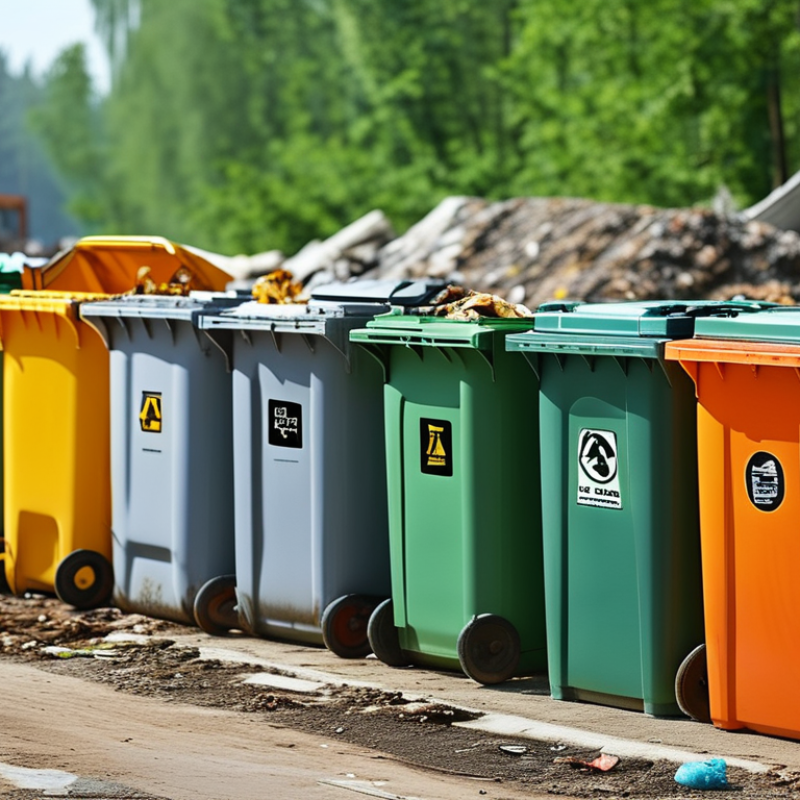
Tips for effective waste management include planning ahead. Consider having on-site containers for different types of waste. Regular training for employees on disposal protocols is also essential. This helps minimize human error, ensuring waste is sorted correctly. Lastly, always review waste management strategies. Reflecting on past projects can reveal areas for improvement in future plans.
Best Construction Garbage Containers for Efficient Waste Management
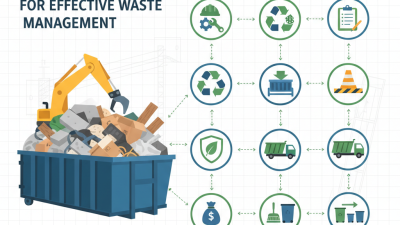
The chart above illustrates the comparison of different dimensions associated with construction garbage containers. Efficient waste management in construction projects can significantly reduce costs, improve site safety, and enhance environmental sustainability.
Best Practices for Using Construction Garbage Containers Effectively
When managing construction waste, using garbage containers efficiently is crucial. Choosing the right size container can help reduce overflow and maintain a clean site. Overfilled containers can lead to accidents and additional cleanup. Select containers that match your project size and type of waste. This minimizes inefficiencies and keeps the workspace safe.
Proper placement of containers is also key. Position them close to waste sources but away from high-traffic areas. This encourages workers to dispose of debris promptly. Regularly monitor container levels to avoid delays in waste removal. A full container can hinder progress and lead to frustration among workers.
Finally, train the crew on waste sorting. Not all materials can go in the same container. Educating the team on recycling practices helps in segregating materials properly. This not only promotes sustainability but also can lead to cost savings. Mistakes in sorting can slow down projects. Regular reminders and visual aids can improve compliance. Emphasizing the importance of these practices builds accountability.
Tips for Properly Maintaining and Managing Garbage Containers
Proper waste management is essential on construction sites.
Garbage containers play a key role in this process.
To maintain these containers effectively, a regular inspection schedule is crucial.
Check for damages or leaks. Cleaning them frequently prevents unpleasant odors and pest infestations.
A clean container is less likely to become a breeding ground for insects.
Placing containers in strategic locations boosts efficiency.
Ensure easy access for workers while keeping them away from high-traffic areas.
This minimizes accidents and protects the site’s productivity.
Encourage team members to use the containers responsibly.
Educate them on proper segregation of waste types.
Mixed waste can complicate recycling efforts.
Containers can become overfilled quickly. Observing the fill level is important to avoid overflow.
An overflowing container not only creates hazards but also reflects poor management.
Regularly emptying and maintaining a schedule can alleviate this issue.
However, human error is common, and adjustments are often needed to improve this process.
Creating a culture of accountability can help enhance container usage on-site.