
China Top 10 Construction Garbage Container Manufacturers
Construction waste is no longer a minor site-management issue. It is a measurable resource, logistics, and environmental challenge.
The U.S. Environmental Protection Agency reported approximately 600 million tons of construction and demolition debris in 2018. That volume was more than twice the country’s municipal solid waste generation. The European Commission also identifies construction and demolition waste as one of Europe’s largest waste streams, representing roughly 25–30% of total waste. These figures explain why reliable construction garbage containers matter. A leaking container beside a concrete mixer creates cleanup costs, safety concerns, and avoidable material loss. A properly selected unit supports cleaner separation, safer loading, and more predictable hauling.
Professor Vivian W. Y. Tam, a widely cited construction-waste researcher, has described construction waste as “a major environmental problem.” Her observation remains relevant, although container quality alone cannot solve poor planning or careless sorting. That limitation deserves attention. Better equipment helps, but disciplined site operations matter more.
This guide examines China’s top 10 construction garbage container manufacturers through practical criteria. These include container capacity, steel thickness, corrosion resistance, loading design, customization, certification, delivery capability, and after-sales support. The comparison also considers whether manufacturers serve demolition sites, high-rise projects, road construction, or smaller renovation work. Reported product claims should still be verified directly, especially when specifications differ between models. A container that looks robust in a catalog may perform differently under wet concrete, sharp rebar, or repeated crane lifting. The strongest suppliers combine manufacturing experience with transparent technical documentation, helping contractors choose safer and more efficient waste-handling solutions.
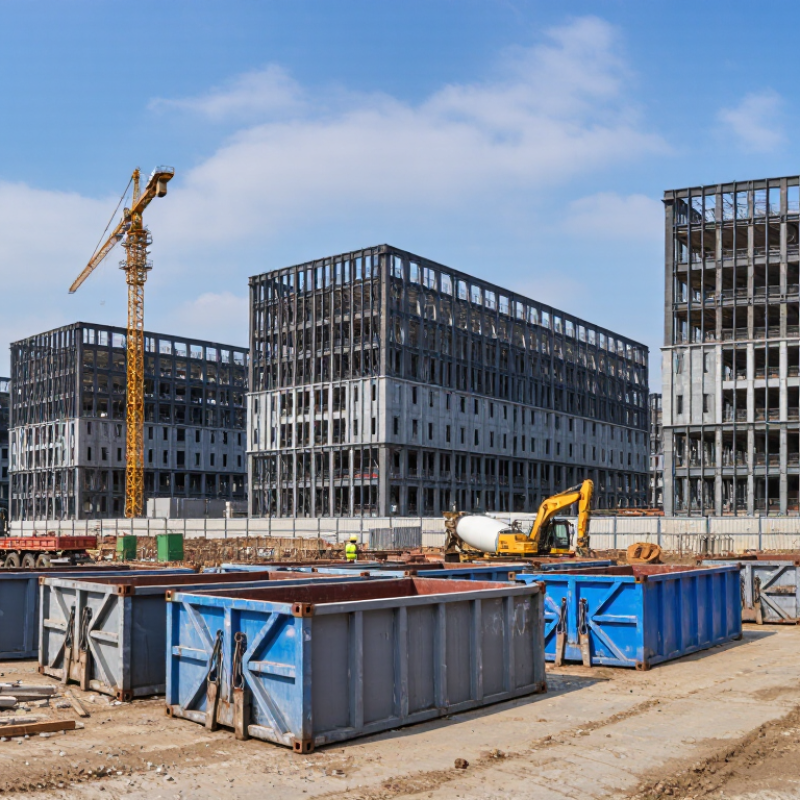
Understanding Construction Garbage Containers and Their Uses
Construction garbage containers are strong, open-top units designed to collect concrete, timber, drywall, soil, and mixed site waste. Their size should match the project, not merely the available space. A small renovation may need a compact container, while demolition work often requires several larger units. Overfilling creates hazards and may complicate transport.
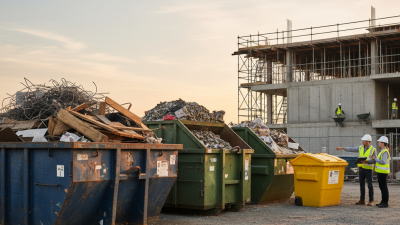
On active sites, these containers support cleaner workflows. Workers can place broken masonry near the loading area, reducing repeated trips across uneven ground. Separate containers also make recycling easier for metal, wood, and inert rubble. In practice, clear labels and short walking routes improve sorting more than complicated instructions. They also reduce dust spreading around entrances. Cover the container during windy weather. It matters.
Placement requires firm, level ground away from blocked exits, underground hazards, and vehicle turning paths. The container should remain visible at night, with suitable warning markings where local rules require them. Never throw pressurized cylinders, chemicals, or unknown materials into a general construction container. Waste classification should be checked before collection, especially during older-building renovations.
From field experience, container selection is rarely perfect on the first attempt. Early estimates often miss packaging waste or seasonal rain. Reviewing fill levels each day helps adjust pickup frequency and container volume. A reliable supplier should explain weight limits, delivery access, permitted materials, and disposal records in clear language. Ask for written details. That small step prevents expensive misunderstandings.
China Top 10 Construction Garbage Container Manufacturers - Understanding Construction Garbage Containers and Their Uses
| No. | Container Type | Typical Capacity | Typical Dimensions (L × W × H) |
Typical Payload | Main Construction Uses | Suitable Waste | Loading Method | Important Selection Factors |
|---|---|---|---|---|---|---|---|---|
| 1 | Open-Top Roll-Off Container | 15–40 m³ | 6.0–7.0 × 2.4–2.5 × 1.2–2.5 m | 8–20 t | Large demolition projects, earthworks, and major site clearance | Concrete, brick, soil, timber, and mixed construction debris | Excavator, loader, or manual loading | Truck compatibility, maximum road weight, floor reinforcement, and lifting points |
| 2 | Hook-Lift Container | 10–35 m³ | 5.0–7.0 × 2.3–2.5 × 1.0–2.2 m | 6–18 t | Projects requiring frequent container exchange or flexible placement | Inert debris, excavated material, scrap metal, and mixed waste | Hydraulic hook-lift vehicle | Hook height, container rail spacing, rear roller position, and vehicle rating |
| 3 | Skip Loader Container | 5–15 m³ | 3.5–5.5 × 1.8–2.4 × 1.0–1.5 m | 3–10 t | Medium-sized building renovation and urban construction sites | Masonry, plasterboard, timber, packaging, and light demolition waste | Loader arms or manual loading | Site access, lifting geometry, container height, and safe fill level |
| 4 | Front-Load Dumpster | 2–8 m³ | 1.5–3.5 × 1.2–1.8 × 1.0–1.5 m | 1–5 t | Small renovation sites, workshops, and recurring waste collection points | Light mixed debris, packaging, wood, and general site waste | Front-loading collection truck | Lid design, fork pockets, corrosion protection, and collection frequency |
| 5 | Rear-Load Compactor Container | 10–30 m³ | 4.5–7.0 × 2.2–2.5 × 2.0–2.6 m | 5–15 t | High-volume waste streams where transport efficiency is important | Light mixed waste, insulation, packaging, and non-inert debris | Integrated hydraulic compaction system | Compaction ratio, hydraulic power, moisture control, and maximum material density |
| 6 | Low-Sided Debris Container | 3–10 m³ | 3.0–5.0 × 1.8–2.4 × 0.6–1.2 m | 2–8 t | Manual loading, interior demolition, landscaping, and short-term site work | Floor tiles, plaster, timber, soil, and small concrete pieces | Manual, wheelbarrow, or compact loader loading | Easy access height, side-wall strength, handling points, and floor thickness |
| 7 | Enclosed Construction Waste Container | 8–30 m³ | 4.0–7.0 × 2.2–2.5 × 2.0–2.6 m | 4–15 t | Dust-sensitive areas, secure sites, and projects near pedestrians or traffic | Light debris, insulation, packaging, and weather-sensitive materials | Side doors, rear doors, or top loading hatches | Ventilation, lockable access, waterproofing, fire safety, and internal clearance |
| 8 | Heavy-Duty Steel Debris Box | 5–20 m³ | 3.5–6.5 × 2.0–2.5 × 1.0–2.0 m | 8–25 t | Bridge work, road construction, structural demolition, and heavy industrial projects | Reinforced concrete, steel sections, stone, asphalt, and dense rubble | Excavator, crane, loader, or roll-on/roll-off equipment | Steel grade, wear plates, weld quality, payload rating, and chassis strength |
| 9 | Separate Collection Container | 1–8 m³ | 1.2–3.5 × 1.0–2.0 × 1.0–1.8 m | 0.5–5 t | Material recovery areas and projects implementing on-site waste segregation | Metal, wood, cardboard, plastics, concrete, and gypsum kept separately | Manual loading, small loaders, or lifting equipment | Color coding, labeling, compartment design, contamination control, and drainage |
| 10 | Mini Construction Waste Container | 1–4 m³ | 1.5–3.0 × 1.0–1.8 × 0.8–1.3 m | 0.5–3 t | Residential renovations, narrow streets, basements, and restricted-access locations | Small amounts of brick, tile, drywall, timber, and mixed renovation waste | Manual loading or compact material-handling equipment | External dimensions, maneuverability, floor protection, and local placement regulations |
Related Posts
-
How to Choose Construction Garbage Containers?
-
7 Tips for Choosing Construction Trash Containers?
-
2026 Top Jobsite Dumpsters for Construction Waste Disposal?
-
Where to Find Construction Dumpsters in My Area?
-
2026 How to Choose the Right Construction Disposal Containers for Your Project?
-
Best Construction Garbage Containers to Buy for Your Project?