Best Construction Waste Containers for Efficient Project Management?
Construction waste management is a critical aspect of project execution in the building industry. According to the EPA, approximately 569 million tons of construction and demolition debris were generated in the United States in 2018. Proper disposal of this waste is essential for environmental sustainability. This is where effective construction waste containers come into play.
Choosing the right construction waste containers can significantly enhance project management efficiency. Research indicates that companies utilizing dedicated waste containers can reduce disposal costs by as much as 20%. These containers streamline the sorting process, minimizing contamination of recyclable materials. However, many projects still neglect effective waste management practices, leading to increased costs and delays.
Investing in high-quality construction waste containers not only complies with regulations but also boosts a company's reputation. Stakeholders increasingly value sustainability in construction processes. Yet, addressing waste management remains a challenge for many firms, often due to oversight or lack of expertise. Understanding the options for construction waste containers can make a measurable difference in overall project success.
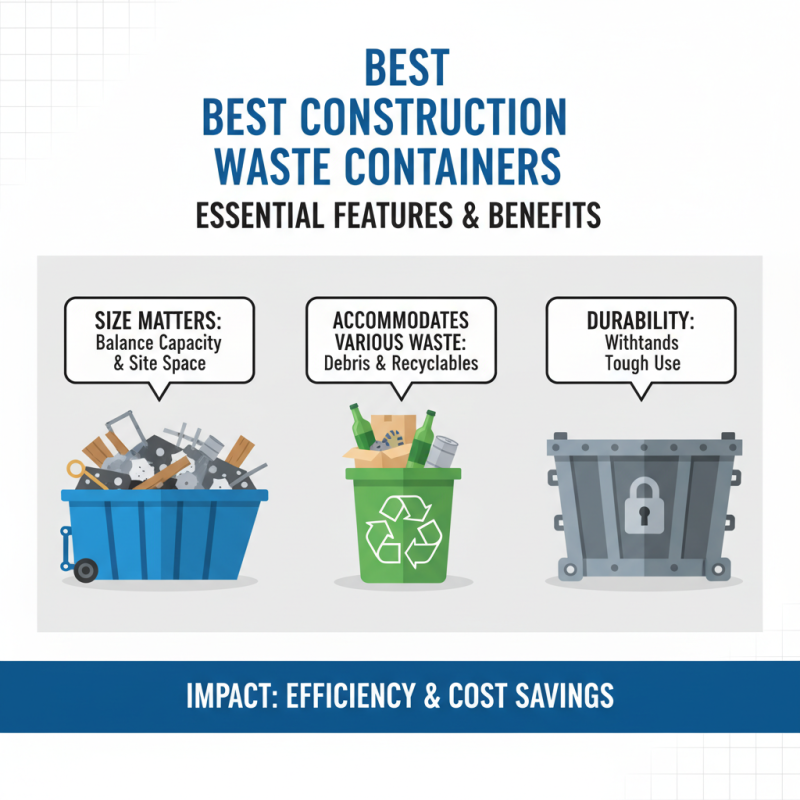
Best Construction Waste Containers: Essential Features and Benefits
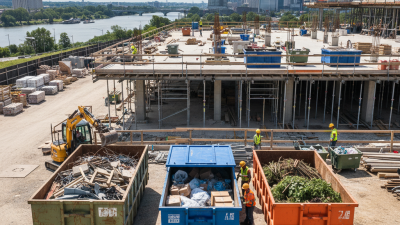
When managing a construction project, choosing the right waste container can significantly impact efficiency. Essential features include size, durability, and accessibility. A container must accommodate various types of waste, from debris to recyclable materials. Size matters; a larger bin can minimize trips to dispose of waste. However, it can occupy valuable site space. A balance is crucial.
Durability is another key factor. Containers should withstand weather and heavy loads. High-quality materials prevent frequent replacements, saving you time and money. Accessibility is vital. Ideally, containers should be easy to reach for workers but placed strategically to avoid site congestion. Some users overlook placement, which can hinder workflow.
Regular maintenance of waste containers is often ignored. Cleaning helps prevent unpleasant odors and pests, promoting a healthier work environment. Inadequate disposal can lead to safety risks, affecting worker morale and project timelines. Reflecting on these aspects can enhance project efficiency and worker safety. Responsible waste management is not just about containers; it's about adopting a mindset that values sustainability and efficiency in every aspect of construction.
Analyzing Different Types of Construction Waste Containers Available Today
When managing a construction project, choosing the right waste container is crucial. Various types are available, each serving different needs.
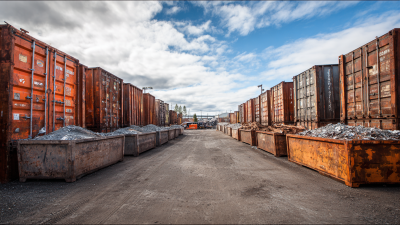
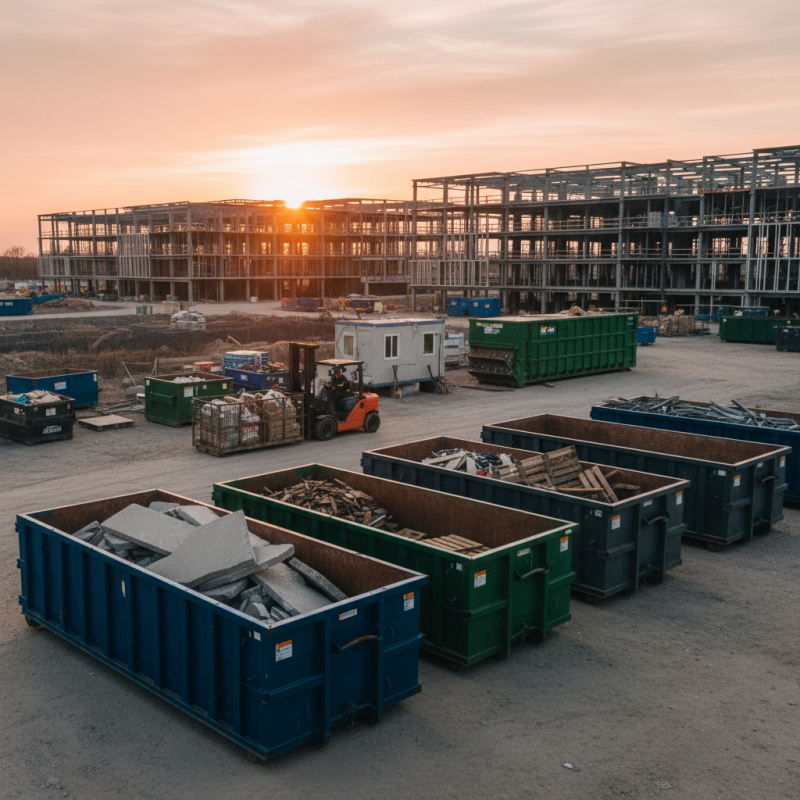
Roll-off containers are popular for larger projects. They can hold significant volumes of debris, making them efficient for construction sites with ample waste. Their open top allows easy loading of materials. However, their size can become a challenge in cramped areas.
Compactor containers are another option. They compress waste to maximize space. This means less frequent pickup, saving time and money. However, they may not be suitable for all types of materials. Understanding the waste type generated is vital. Some containers are better for mixed waste, while others focus on specific materials like metal or wood. A misstep here could lead to increased costs or delays.
Moreover, think about accessibility and location. Will the container be placed near the work area? A hard-to-reach container can slow down project timelines. Safety measures are also essential. Ensure containers are covered to prevent hazards and environmental concerns. Reflecting on these factors will lead to better project management and a cleaner site.
Cost-Effectiveness of Container Options for Construction Projects
When managing construction projects, choosing the right waste container is crucial for cost-effectiveness. The size, type, and rental duration of containers can significantly impact your overall project budget. For smaller projects, a compact container may suffice. Larger projects often require multiple containers to handle the volume of waste produced. This choice directly affects disposal fees and transportation costs.
Consider how often the container needs to be emptied. Frequent pickups may seem convenient but can add to expenses. Opting for a more substantial container and scheduling fewer pickups could reduce costs in the long run. It’s also important to account for the types of materials being disposed of. Different materials may have varying disposal fees, which could surprise you. Investing time in planning can reveal hidden savings.
Finding the right balance between size and frequency is not always straightforward. Project managers must weigh immediate needs against long-term expenses. Sometimes, an initial lower-cost option may lead to higher costs later. Reassessing your approach as the project progresses can help prevent wasteful spending. Flexibility can enhance both efficiency and effectiveness in managing project waste.
Environmental Impact: Choosing Eco-Friendly Waste Containers
Choosing eco-friendly waste containers is essential for minimizing environmental impact. Each year, construction projects generate massive amounts of waste. Traditional containers often lead to landfills overflowing with materials that could be recycled. Eco-friendly containers can significantly reduce this negative effect.
Many eco-conscious construction managers are turning to biodegradable materials. These containers decompose naturally, reducing the burden on landfills. Additionally, opting for containers designed for easy sorting can promote recycling on site. It can be frustrating when workers do not separate waste correctly, but education and proper labeling can improve compliance.
Considering transportation is also crucial. Heavy, non-eco-friendly containers increase fuel consumption during disposal. Lighter, sustainable options can make the transport process more efficient. However, finding sturdy eco-friendly containers may require more research and experimentation. Not all options are reliable, and sometimes, compromises may need to be made between sustainability and durability. It’s important to reflect on these challenges and work towards solutions that align with both project goals and environmental responsibility.
Best Construction Waste Containers for Efficient Project Management
Regulatory Compliance: Selecting Containers to Meet Industry Standards
Choosing the right construction waste containers is crucial for regulatory compliance. Many projects face fines due to improper waste management. According to the Environmental Protection Agency (EPA), over 80% of construction and demolition debris is recyclable. Yet, many sites fail to segregate recyclable materials correctly.
Understanding industry standards can be daunting. Container types vary, ranging from dumpsters to specialized bins for hazardous materials. The Occupational Safety and Health Administration (OSHA) mandates specific container requirements to prevent accidents. Non-compliance can result in penalties or work stoppages. Awareness of local regulations is essential for project managers.
Conducting a waste audit helps identify the types of waste generated. Reports indicate that improperly managed waste can increase costs by up to 30%. Many teams overlook the documentation required for disposal. Accurate records not only support compliance but also contribute to more efficient project management. Teams may need to revisit strategies to ensure they meet all guidelines.
Best Construction Waste Containers for Efficient Project Management
| Container Type |
Capacity (Cubic Yards) |
Material Compliance |
Best Use Cases |
Regulatory Compliance Standards |
| Roll-off Container |
20 |
Steel |
Demolition, Heavy Debris |
EPA Guidelines |
| Front Load Container |
4, 6, 8 |
Plastic/Steel |
Commercial Waste, General Litter |
Local Ordinances |
| Compactor Container |
30 |
Steel |
Restaurants, Retail |
OSHA Regulations |
| Open Top Container |
10, 15, 20 |
Steel |
Construction Sites, Light Debris |
State Waste Management Laws |