What Are the Top Construction Bin Rental Types in 2026?
Choosing the right construction bin rental can keep a jobsite safer, clearer, and easier to manage. But “one size fits all” rarely works. A bathroom renovation may produce drywall, tile, and packaging, while a roof replacement can fill a container with shingles surprisingly fast. The best choice depends on debris type, available space, project length, and the hauler’s accepted-material rules.
In 2026, contractors and homeowners may encounter several common options: roll-off dumpsters for larger projects, compact bins for tight driveways, and heavy-debris containers designed for dense materials such as concrete or soil. Front-load containers can suit recurring waste needs at active sites. Each type has trade-offs. A larger bin offers more capacity, but it may need more room for delivery and pickup. A smaller one can fit a narrow access point, yet require extra hauls. That matters.
This guide compares the main construction bin rental types and explains where each may fit. It also looks at sizing, placement, weight limits, and common pricing factors. Details vary by provider and location, so confirm restrictions before booking. Not always obvious. A bin that looks spacious can reach its weight limit before it is full. Use these comparisons as a practical starting point, then match the container to the actual materials and site conditions.
U.S. EPA: C&D Debris Reached 600 Million Tons in 2018
The U.S. Environmental Protection Agency estimated that construction and demolition activities generated about 600 million tons of debris in 2018. That is a national estimate, not a landfill total. It includes material from building construction, renovation, and demolition. Concrete, asphalt, wood, and drywall can all contribute to the stream. The scale is striking. It also makes careful waste planning more than a paperwork task.
For smaller renovations, a compact 10- or 15-yard bin may handle flooring, cabinets, and light framing. A 20-yard container often suits room additions or larger cleanouts. Major demolition can call for a 30- or 40-yard bin, depending on the material and site access. Sizes and weight limits vary by provider, so confirm both before delivery. A container that looks roomy may still reach its weight limit with dense concrete.
The EPA figure is a useful reminder, but it cannot tell a crew exactly what to rent. Estimate debris by material, not just by the room or project name. Keep clean concrete separate when practical, and avoid mixing heavy debris with bulky wood. A neat estimate can still be wrong. Recheck it as work progresses, especially when hidden layers or damaged framing appear.
Construction Bin Rental Planning: U.S. C&D Debris by Material
Concrete and asphalt concrete were the leading reported materials in U.S. construction and demolition debris generation in 2018. Their combined weight makes dedicated, heavy-material roll-off containers worth considering; check local weight limits and disposal requirements when choosing a bin.
Source: U.S. Environmental Protection Agency. EPA estimated 600 million tons of C&D debris generated in 2018. Material figures are rounded.
Roll-Off Dumpsters: Open-Top Bins for Bulk Renovation and Demolition
What Are the Top Construction Bin Rental Types in 2026?
Roll-Off Dumpsters: Open-Top Bins for Bulk Renovation and Demolition
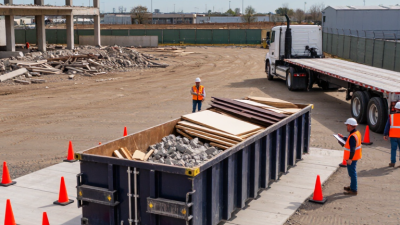
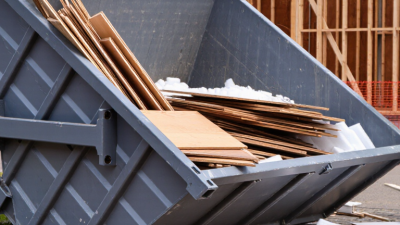
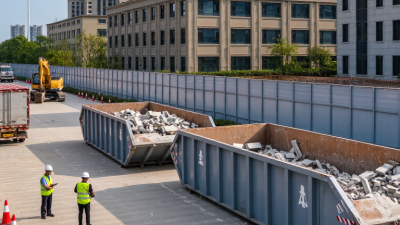
Roll-off dumpsters work well when a renovation creates bulky, irregular debris. Their open tops make it easier to load broken cabinets, drywall, flooring, and framing scraps. A roll-off truck places the bin on a prepared, accessible surface, such as a driveway or worksite pad. Check that the delivery path is clear of low branches, parked vehicles, and narrow turns. That small check can prevent a frustrating delay.
Tips: Estimate the debris volume before choosing a bin, and ask how weight limits apply. Keep heavy materials distributed across the floor instead of piled at one end. Measure the available space, including room for delivery and pickup. Measure twice.
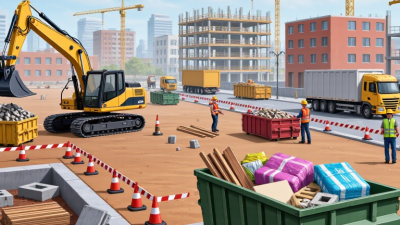
For demolition, plan loading around the work sequence. Place heavier debris in first, then add lighter, bulky pieces without letting them rise above the container’s rim. Keep walkways clear and avoid tossing items from a height; controlled loading is safer and helps use the space well. Separate materials when your project plan or local collection requirements call for it. One detail people sometimes overlook is how quickly dense debris adds weight. A bin can look only half full and still be close to its limit, so confirm the provider’s rules before loading.
Front-Load Bins: Scheduled Collection for Recurring Site Waste
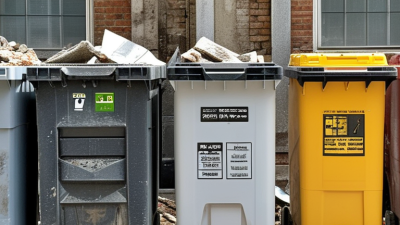
Front-load bins work well on construction sites that generate waste at a steady pace, including packaging, short offcuts, and break-room refuse. Their compact footprint can suit a narrow service lane or space beside a site office. Scheduled collection helps prevent routine waste from piling up. It is not foolproof. A delivery delay or busy workday can still fill a bin sooner than expected.
Estimate the weekly volume, then choose a pickup frequency that leaves room for fluctuations. The first estimate is often wrong; track the fill level for a few weeks and adjust the schedule if needed. Keep the bin on firm, level ground, with clear truck access and enough overhead clearance. Ask the provider which materials are accepted, since sorting rules and container limits vary. Avoid packing waste above the rim, where loose pieces can spill during pickup. A simple site log can help supervisors spot changing patterns, such as extra packaging during a materials delivery. Scheduled service brings consistency, but it still depends on accurate estimates and clear access.
Specialty Bins: Separate Concrete, Soil, Metals, and Mixed Debris
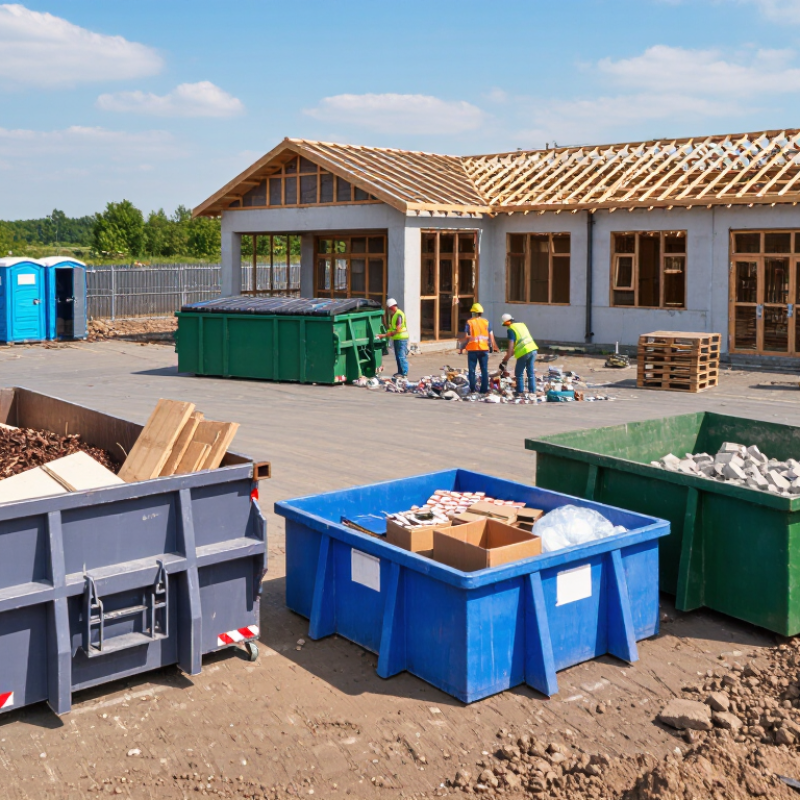
Specialty bins make material separation practical before debris gets buried under the next load. A concrete-only bin suits broken slabs, curbs, and clean masonry. Soil needs its own container, especially when wet earth can quickly push a bin beyond its weight limit. Keep metals apart. Rebar and offcuts are easier to recover when they are not tangled with drywall or wood. Mixed-debris bins are convenient, but they are not a universal fix.
The scale is substantial. The U.S. Environmental Protection Agency’s 2018 construction and demolition materials estimate reports about 600 million tons generated nationwide, roughly twice the amount of municipal solid waste. The report also estimates that about 455 million tons went to reuse or recycling, while about 145 million tons were landfilled (EPA, 2020, Advancing Sustainable Materials Management: 2018 Fact Sheet).
That volume makes sorting choices matter. USGS’s 2025 Mineral Commodity Summaries identifies steel scrap as an established input to steelmaking, supporting the case for keeping recoverable metal clean. A common planning miss is treating soil like light debris. It isn’t. Confirm accepted materials, bin capacity, and pickup timing with the hauler; contamination rules can vary by facility, and a clean-looking load may still be rejected.
Choose Bin Type by Load Weight, Site Access, Rental Period, and Local Rules
What Are the Top Construction Bin Rental Types in 2026?
Roll-off bins suit larger renovation and construction projects, with open tops that make loading bulky material easier. Smaller bins or dump trailers can work better on tight residential sites, where a full-size truck may struggle to turn. Choose by load, not just volume. Concrete, soil, and brick become heavy quickly, while insulation and packaging take up space with less weight. Ask for the bin’s weight limit and confirm how overage is handled before delivery.
Tips: Measure the entrance, turning area, and overhead clearance. Check whether the bin can sit on the driveway without blocking access. A few inches can matter.
Rental timing needs attention too. A short project may need one scheduled pickup; ongoing work may need swaps or a longer rental period. Tell the rental provider what materials you expect and how quickly the site will fill. This helps avoid a bin that sits unused or overflows between collections. Local rules can affect placement, permits, street use, and material separation. Confirm requirements with the local authority before setting a bin on public property. I’ve seen access overlooked even on otherwise well-planned sites; it is an easy detail to miss.