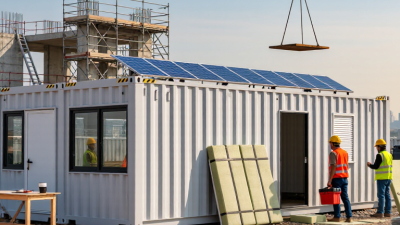
Top Construction Container Types for Global Buyers
Choosing the right construction container can shape a project’s daily rhythm. On a crowded site, a secure storage unit may keep tools dry and close at hand. A modular office can give crews a quieter place to review drawings, while a modified unit may suit changing site needs. The best choice depends on more than price. Buyers should compare dimensions, access, insulation, ventilation, lifting points, and delivery conditions before placing an order.
Global purchasing adds practical details. A container that fits a factory yard may not fit a narrow site entrance. Door clearance matters when pallets arrive. So does the ground beneath the unit after heavy rain. Ask suppliers for clear specifications, recent photographs, maintenance records, and written details about customization. Confirm who handles transport, unloading, and site preparation. Small gaps in planning can become expensive delays.
One limitation deserves care: no source material or verifiable expert quotation was provided, so I will not invent a named specialist or attribute a fabricated statement. A sound buying principle is simple: match the unit to the work, the site, and the way people will use it. This guide compares common construction container types for global buyers, including storage containers, site offices, accommodation units, and specialized options. Not every project needs a customized unit. Sometimes the plainest container is the right one. Sometimes it is not.
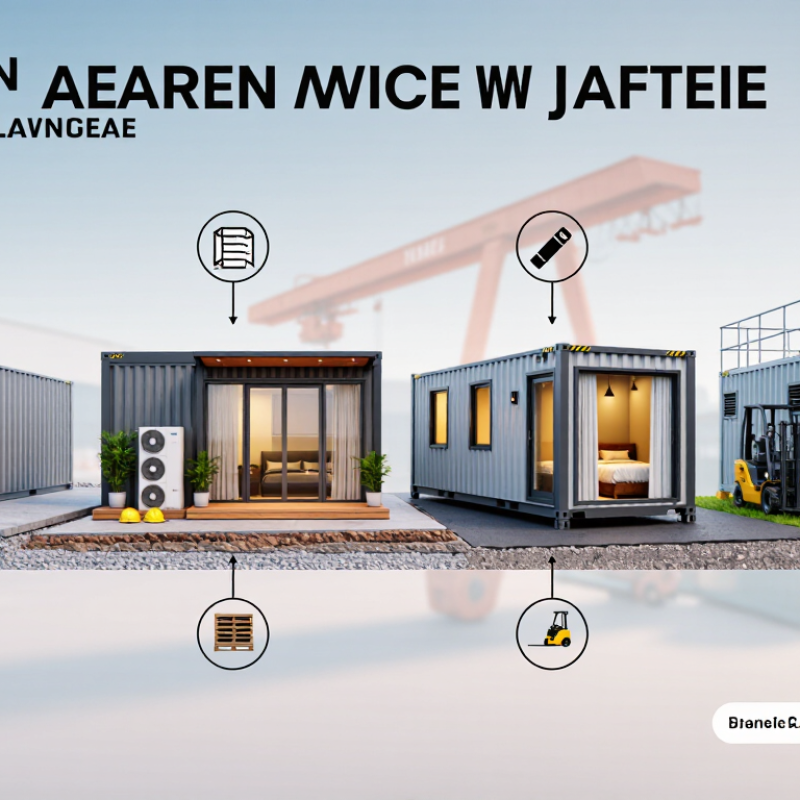
What Construction Containers Are and How They Are Used
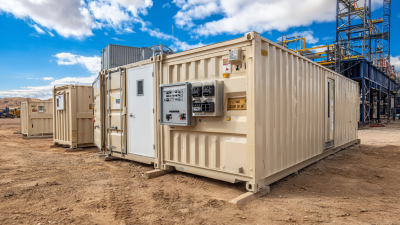
Construction containers are durable, enclosed units used to support work on active building sites. Some are adapted from freight containers; others are purpose-built for temporary site use. Their steel frames and lockable doors help protect tools, materials, and equipment from weather and unauthorized access. They are practical, but not automatically suitable for every site.
Storage is one common use. A crew might keep boxed fittings on shelves, with heavy tools secured near the floor and a clear path to the doors. Other units serve as site offices, meeting rooms, changing areas, or workshops. An office container may need insulation, lighting, power, and ventilation to stay usable through long shifts. Small details matter.
Placement takes planning. The ground should be stable and level, and doors need enough room to open without blocking walkways or vehicle routes. Site managers should consider drainage, access, lifting arrangements, and applicable local safety and building requirements. A container can also become uncomfortable in heat or damp weather if ventilation and insulation are overlooked. In practice, tidy plans miss things. Mud, dust, and changing crew needs can quickly expose those gaps, so regular checks help keep the unit useful and safe.
How Standard Shipping Containers Support Construction Projects
Standard shipping containers can bring order to a busy construction site. A 20-foot unit may hold power tools, fasteners, and boxed fixtures near the crews using them. A larger container can store longer materials or serve as a simple site office after suitable modifications. Keep frequently used items near the doors; otherwise, workers may waste time shifting pallets to reach one small box.
Their steel walls help protect supplies from rain and casual access, but containers are not automatically dry or comfortable. Temperature changes can cause condensation, which may damage paper plans, finishes, and some equipment. Ventilation, moisture control, and secure shelving matter. I have seen a container look solid from outside while damp cardboard inside told another story. It is worth checking the interior regularly.
Placement affects daily work. Set the unit on stable, level supports, leave room for delivery vehicles, and avoid blocking walkways or equipment routes. A container can be relocated as the project changes, though moving it still requires planning and suitable lifting equipment. For office use or other modifications, assess ventilation, insulation, access, and structural needs with qualified professionals. Useful, yes—but not a shortcut around site planning.
Top Construction Container Types for Global Buyers - How Standard Shipping Containers Support Construction Projects
| Container Type | Typical External Dimensions (L × W × H) | Approximate Internal Dimensions (L × W × H) | Common Construction Uses | Key Considerations |
|---|---|---|---|---|
| 20 ft Standard Dry | 6.06 × 2.44 × 2.59 m 20 × 8 × 8 ft 6 in |
5.90 × 2.35 × 2.39 m 19 ft 4 in × 7 ft 8 in × 7 ft 10 in |
Secure storage for tools, building materials, and site equipment; compact site offices after suitable conversion. | Its shorter footprint can suit constrained sites. Check payload, floor condition, ventilation, and door clearance for the intended load. |
| 40 ft Standard Dry | 12.19 × 2.44 × 2.59 m 40 × 8 × 8 ft 6 in |
12.03 × 2.35 × 2.39 m 39 ft 6 in × 7 ft 8 in × 7 ft 10 in |
Storage of longer materials, larger equipment, and bulkier site supplies; adaptable as a workshop or support space. | Provides substantially more floor length than a 20 ft unit. Plan access, ground bearing, lifting, and delivery turning space. |
| 40 ft High Cube Dry | 12.19 × 2.44 × 2.90 m 40 × 8 × 9 ft 6 in |
12.03 × 2.35 × 2.69 m 39 ft 6 in × 7 ft 8 in × 8 ft 10 in |
Storage of taller materials and equipment; converted site offices, welfare areas, or workshops where additional headroom is useful. | Offers about 30 cm (1 ft) more external height than a standard-height unit. Confirm transport height limits and site access before delivery. |
| 20 ft Open-Side | Typically about 6.06 × 2.44 × 2.59 m 20 × 8 × 8 ft 6 in |
Varies by design and door arrangement | Storage and loading of long, wide, or awkward items; convenient access to materials along the side of the unit. | Side-door configurations vary. Check clear opening dimensions, door operation space, weather sealing, and structural condition. |
| 20 ft Open-Top | Typically about 6.06 × 2.44 × 2.59 m 20 × 8 × 8 ft 6 in |
Varies by design and roof-cover arrangement | Top-loading of bulky or tall items, including certain equipment and materials that are difficult to load through end doors. | Usually supplied with a removable cover or tarpaulin system. Confirm loading method, cargo restraint, and protection from weather. |
| 20 ft Flat Rack | Typically about 6.06 × 2.44 m 20 × 8 ft; no fixed full-height enclosure |
Usable deck dimensions vary by design | Transport of heavy or oversized construction equipment and loads that exceed the enclosed width or height of a dry container. | Not enclosed or weatherproof. Verify rated payload, lashing points, cargo dimensions, lifting requirements, and transport permissions. |
Measurement and project note: Dimensions are typical nominal values; actual internal measurements, door openings, payload ratings, and specialty-container configurations vary by unit and manufacturer. Container modifications, stacking, foundations, access, ventilation, fire safety, and local building-code compliance should be assessed by qualified professionals before use as occupied or structural space.
Which Specialized Containers Serve Different Construction Needs
Open-top containers suit bulky materials that need crane loading, such as timber packs, formwork, or bagged aggregates. Their removable roof makes loading easier, but exposed cargo needs weather protection. A tarpaulin helps, though it is not a substitute for checking how rain may affect stored materials.
Flat-rack containers carry oversized items such as long beams, pipe bundles, or compact equipment that cannot fit through standard doors. Check the cargo dimensions, weight distribution, and lashing points before transport. A poorly balanced load can create handling problems. Small details matter.
Side-opening containers allow crews to load pallets or long materials from the side, which can be useful when a site has limited access at one end. Insulated units can help protect temperature-sensitive materials during storage, but they do not replace proper temperature monitoring. For dusty or damp materials, ventilation and moisture control deserve equal attention. A common planning miss is choosing a container by capacity alone. Confirm door clearance, floor condition, lifting arrangements, and the site’s available turning space with qualified logistics staff. The best fit often depends on the unloading area, not just the cargo.
How to Compare Container Types by Size, Design, and Function
Top Construction Container Types for Global Buyers
Comparing construction containers starts with the job, not the catalogue. A standard 20-foot unit suits compact storage near a work area. A 40-foot unit holds longer materials, but needs a clear delivery route and turning space. High-cube models add interior height for bulky equipment or stacked supplies. Check usable internal measurements, not just the outside length. Small differences matter.
Design affects daily handling. Double doors make pallet access easier, while side-opening units help crews reach materials without unloading everything. Open-sided designs can simplify access, but offer less protection from wind-driven rain. Insulated containers help stabilize temperatures; they do not automatically provide climate control. Look closely at floor condition, door seals, ventilation, and lifting points. Details count.
Function should guide the final choice. A storage unit, site office, and workshop need different layouts, lighting, and ventilation. Measure the largest item, then allow room for safe movement and door clearance. Confirm payload limits and delivery conditions using current technical drawings. A tidy comparison sheet helps, but it can miss muddy ground or an awkward gate. That happens. Recheck the site before ordering, and leave a little margin for real-world surprises.
What Global Buyers Should Check Before Choosing a Container
A container can look suitable in a listing yet fail at the site. Start with its job: tool storage, a temporary workshop, or a dry space for materials. Confirm external and internal dimensions, door opening, floor capacity, and usable clearance. A forklift or pallet may need more room than headline measurements suggest. Check the delivery route too: low branches, narrow gates, soft ground, and turning space can all affect placement.
Ask for recent photos and inspect corners, door seals, flooring, and signs of water entry. Small details matter. Request written specifications, including container condition and any repairs made. For international orders, confirm shipping dimensions, required documents, and who handles unloading, insurance, and damage reporting. Requirements can vary by destination, so verify them with the relevant carrier or local adviser. It is easy to rush this part; I would give it another day. A low purchase price may not reflect repair or delivery costs.
Tips: Measure the site twice, including overhead clearance. Ask how the container will be unloaded before booking transport. Keep photos and written specifications together for reference.
Related Posts
-
What Is a Construction Container and How Is It Used?
-
What Is the Best Construction Container from China?
-
Top 5 Tips for Sourcing Construction Containers Online
-
Top Benefits of Using Construction Roll Off Dumpsters for Your Projects
-
2025 Top 5 Construction Roll Off Dumpsters for Efficient Waste Disposal
-
Transform Your Construction Site Efficiency with Innovative Storage Container Solutions