What Is the Best Construction Container from China?

Choosing the best construction container from China is not simply a matter of finding the lowest price. The right unit must suit its purpose, site, climate, and expected service life. A guarded site office needs different insulation, access, and wiring from a storage unit or modular workshop. Small details matter. A door that binds after delivery can slow a crew; inadequate floor protection may wear quickly under repeated loads.

Architect Carl Elefante’s well-known reminder is, “The greenest building is the one that is already built.” His point concerns building reuse broadly, not construction containers alone. Still, it offers a useful perspective: reuse can be valuable, but only when the unit remains fit for its intended job. For buyers comparing Chinese suppliers, practical checks include steel condition, dimensions, coating, insulation, electrical provisions, and clear delivery specifications. Ask for current product photos and written confirmation of the configuration. A low quote can leave important details unclear.

There is no single best container for every project. This guide compares key types, materials, customization options, supplier checks, and delivery considerations to help narrow the choice. It also recognizes a limitation: product images and specifications cannot replace an on-site inspection. Where inspection is not practical, request detailed evidence and document agreed requirements before ordering. A careful comparison takes time. It can prevent costly surprises later.
What Is the Best Construction Container from China?

What a Construction Container Is and Where It Is Used

What Is the Best Construction Container from China?

What a Construction Container Is and Where It Is Used

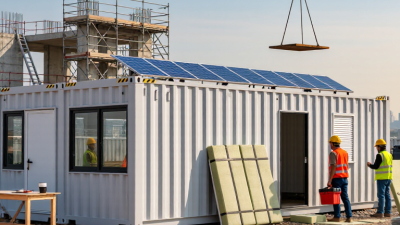
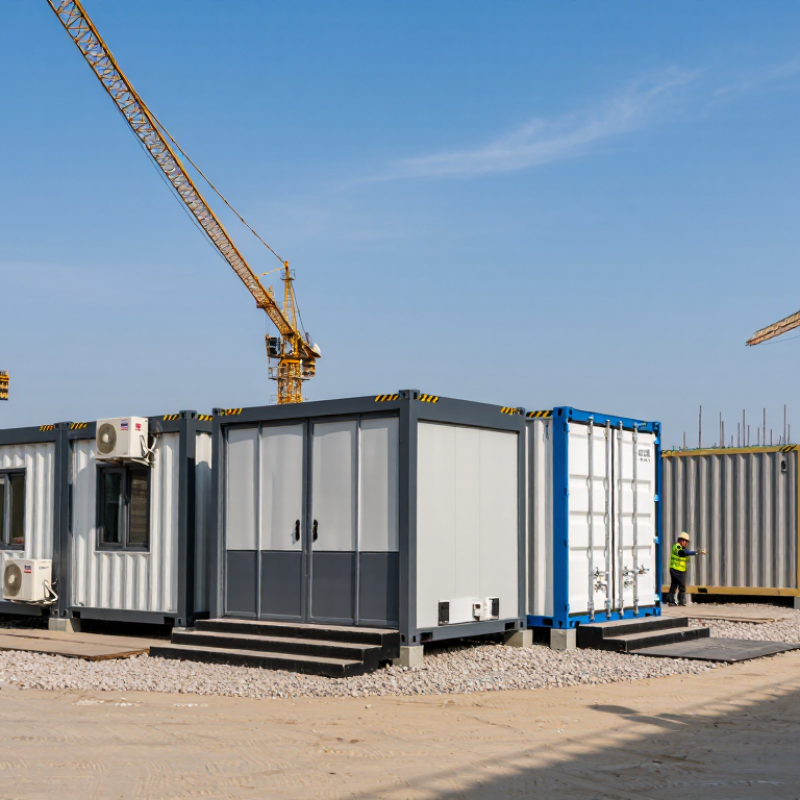
A construction container is a transportable, often modular unit used to support work on a building site. It may serve as a temporary office, secure tool store, changing room, or sheltered break area. Some units include desks, lighting, windows, insulation, and electrical outlets. Others are basic, empty shells. The right choice depends on the job, available space, and how long the unit will be needed.

On a busy site, an office container can give supervisors a dry place to review drawings, while a storage unit keeps tools away from rain and dust. Welfare units may need ventilation, handwashing facilities, and reliable drainage. Check dimensions, insulation, door security, lifting points, and floor capacity against the intended use. Requirements vary by site and local conditions, so confirm technical details with the supplier and relevant site professionals. A low price alone says little about performance. Not every unit fits.

Tips: Ask for clear specifications and photos of the exact unit. Confirm delivery access, ground preparation, and connection needs before ordering. If workers will occupy the container, assess heat, airflow, and safe access. Even a small oversight matters.

Which Construction Container Designs Are Available from China

Construction container designs from China range from flat-pack cabins to expandable units. Flat-pack models ship as separate panels and frames, then assemble on site. They suit temporary offices, guard rooms, and worker accommodation where transport volume matters. Foldable units arrive with walls hinged to the frame, reducing setup work. Expandable designs open outward to create more floor space, but need clear ground and careful leveling. Small details matter: door swing, window placement, insulation thickness, and whether a wet-area module fits the site plan.

Some suppliers also make detachable box units, stacked modular buildings, and purpose-built kitchens, washrooms, or storage cabins. McKinsey’s 2019 report, Modular construction: From projects to products, found that modular methods can shorten project timelines by 20–50% and reduce costs by up to 20%.These are broad industry estimates, not guarantees for every Chinese-made unit or project. Check drawings, steel specifications, insulation performance, connection details, and factory inspection records before ordering. A low quoted price can hide thin floor panels or awkward service layouts. I have seen plans look neat on paper, then lose usable space around stairs and pipes. Ask for measured internal dimensions and a trial assembly record; photos alone are not enough.

How Materials, Dimensions, and Insulation Affect Performance

A construction container’s performance starts with its shell. Steel handles impacts from tools and shifting loads, but exposed surfaces can rust when coatings are damaged. Ask about steel thickness, weld quality, and surface preparation, not just the paint color. Small details matter. A scratched corner can become a maintenance issue after repeated wet seasons.

Dimensions affect daily use as much as capacity. Measure the largest items, then allow room for doors to open and workers to move safely. A container that fits a site plan may still block a delivery route or crane access. Standard lengths can simplify transport, while custom widths may suit awkward equipment. Check usable interior dimensions; wall framing and insulation reduce them.

Insulation helps control heat, condensation, and noise, but its value depends on the climate and how the container is used. Foam panels can limit heat transfer, while mineral wool may offer useful sound reduction. Gaps around doors and joints can undermine either option. Ask for insulation thickness, installation details, and temperature data under stated test conditions. Numbers need context. For a temporary tool store, basic protection may be enough; for sensitive materials or regular occupied use, ventilation and thermal performance deserve closer review. A heavier, better-insulated unit is not automatically the right choice, and site requirements are easy to underestimate.

What Is the Best Construction Container from China? - How Materials, Dimensions, and Insulation Affect Performance
Container Type Typical Dimensions Main Materials Typical Insulation Performance and Practical Considerations Best Suited For
Uninsulated ISO steel container 20 ft: approx. 6.06 × 2.44 × 2.59 m (L × W × H); high-cube height approx. 2.90 m Corrosion-resistant steel structure and corrugated steel panels None; steel walls provide little thermal resistance Durable and easy to transport, but interior temperatures can quickly follow outdoor conditions. Condensation may occur without ventilation or a suitable interior build-out. Tool storage, equipment protection, and short-term site storage
Steel-frame modular site container Common modules are about 3.0 × 6.0 m; height and layout vary by specification Welded or bolted steel frame with coated steel exterior panels Often 50–75 mm mineral-wool or EPS sandwich panels Panel thickness and joint detailing affect comfort and condensation risk. Mineral wool is non-combustible; EPS generally needs appropriate fire-rated construction. Site offices, changing rooms, and temporary welfare facilities
PIR-insulated modular container Commonly configured in approximately 3.0 m-wide modules; length and height are customizable Steel frame and steel-faced PIR sandwich panels Typically 50–100 mm PIR; insulation conductivity is commonly around 0.022–0.026 W/(m·K) Usually provides more insulation per unit thickness than mineral wool. Actual whole-wall performance depends on steel framing, panel joints, and thermal bridges; confirm fire classification for the complete assembly. Occupied offices or accommodation where heating and cooling efficiency matter
Mineral-wool insulated modular container Commonly configured in approximately 3.0 m-wide modules; project dimensions vary Steel frame with steel-faced mineral-wool sandwich panels Typically 50–100 mm mineral wool; conductivity is commonly around 0.035–0.045 W/(m·K) Offers non-combustible insulation options and useful sound absorption. A thicker panel may be needed to match the thermal resistance of PIR; protect the assembly from moisture. Projects with stricter fire-safety or acoustic requirements
Refrigerated ISO container 20 ft exterior dimensions are approximately 6.06 × 2.44 × 2.59 m; interior space is reduced by insulation and refrigeration equipment Steel exterior with insulated composite panels and an integrated refrigeration unit Factory-built insulated envelope; thickness and construction depend on the unit Designed for controlled-temperature cargo, not automatically for occupied use. Requires electrical supply, equipment servicing, and careful assessment of ventilation and safe access. Temperature-sensitive materials or temporary cold storage

Dimensions and insulation values are typical reference ranges, not guaranteed specifications. Confirm the approved drawings, usable interior dimensions, local wind and snow loads, fire classification, transport requirements, and applicable building codes before ordering. Thermal performance depends on the complete assembly, including joints, framing, doors, windows, and installation quality.

How to Evaluate Chinese Manufacturers and Safety Standards

A construction container should be judged by more than its price or finish. Evaluate the Chinese manufacturer’s production controls, material records, and ability to answer technical questions clearly. Ask for the steel grade, weld inspection method, and documented load-test results for the exact model. Check that drawings match the container delivered, including lifting points, door hardware, and floor construction. Paper is not proof.

Verify certificates and test reports with the issuing organization, and confirm they cover the intended use and destination requirements. Standards differ by application, so a certificate for storage may not establish suitability for lifting or transport. Request dated inspection records, traceable material details, and clear warranty terms. If possible, arrange an independent factory inspection or pre-shipment check. Look closely at welds, corners, coating thickness, and door alignment; small defects can signal weak process control. A polished brochure can still hide gaps. Even a careful checklist may miss something, so document open questions and get written answers before paying. I would treat vague claims as a reason to pause, not as proof of poor quality.

How to Match a Construction Container to Project Requirements

What Is the Best Construction Container from China?
How to Match a Construction Container to Project Requirements

The best container fits the work, site, and delivery plan—not just the budget. Start by listing its purpose: secure tool storage, a site office, or worker facilities. Then check dimensions against the work area, access paths, and unloading space. Fit matters more. McKinsey’s 2017 construction report estimated annual productivity growth at just 1% over two decades, compared with 2.8% across the wider economy. Careful planning can help prevent avoidable site delays.

For temporary offices, compare insulation, ventilation, windows, wiring, and floor capacity. For storage, prioritize door clearance, lockable access, and a floor rating suited to the heaviest equipment. McKinsey’s 2019 modular construction analysis found that modular methods can shorten project schedules by 20–50% in suitable cases; that range is not a guarantee for every container project. Ask suppliers for dimensioned drawings, load specifications, and details on lifting points. A common oversight is ignoring the route from delivery vehicle to final placement. I would confirm that route early, even if it adds coordination. Weather exposure and site conditions can change the right choice, too.

What Is the Best Construction Container from China?

Compare typical usable internal volume to match container size with your project’s storage needs.

The 20-foot container suits compact sites and smaller tool loads. A 40-foot standard container offers more storage for larger projects, while a 40-foot high-cube container provides extra vertical space for bulky materials. Volumes shown are typical approximate internal capacities; actual specifications vary by manufacturer and model.