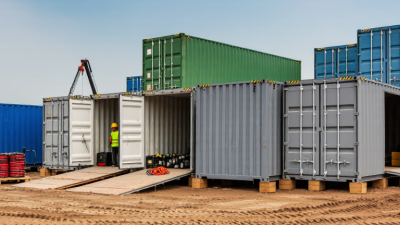
7 Best Construction Storage Containers for Global Buyers
Choosing the right construction storage containers can protect tools, materials, and project schedules across demanding job sites. Global buyers often compare price first, but performance deserves equal attention. A low-cost unit may develop leaks, condensation, or warped doors after one harsh season.
This guide examines seven practical container options for international construction use. It compares steel strength, weather resistance, ventilation, access design, security features, and transport flexibility. A 20-foot container may suit a large infrastructure project, while a compact unit can work better beside a crowded urban site. Forklift pockets, lock boxes, shelving compatibility, and wide-opening doors also affect daily efficiency. Small details matter.
Real-world experience shows that no container is perfect. A reinforced model can be extremely durable, yet heavier to move and more expensive to ship. A refurbished unit may offer strong value, but its floor condition and previous repairs require careful inspection. Buyers should request clear photos, material specifications, inspection records, and warranty terms before placing an order. Supplier reputation matters, especially when delivery crosses borders and communication becomes slower.
Local building, transport, fire-safety, and import requirements can vary by destination. Confirm these details with qualified local professionals and logistics providers. Do not assume a standard container fits every site. Moisture control may require vents, raised flooring, or desiccant systems in humid regions. This overview focuses on dependable choices, practical limitations, and the questions buyers should ask before selecting construction storage containers for long-term use. Mistakes happen, but better checks reduce expensive surprises.
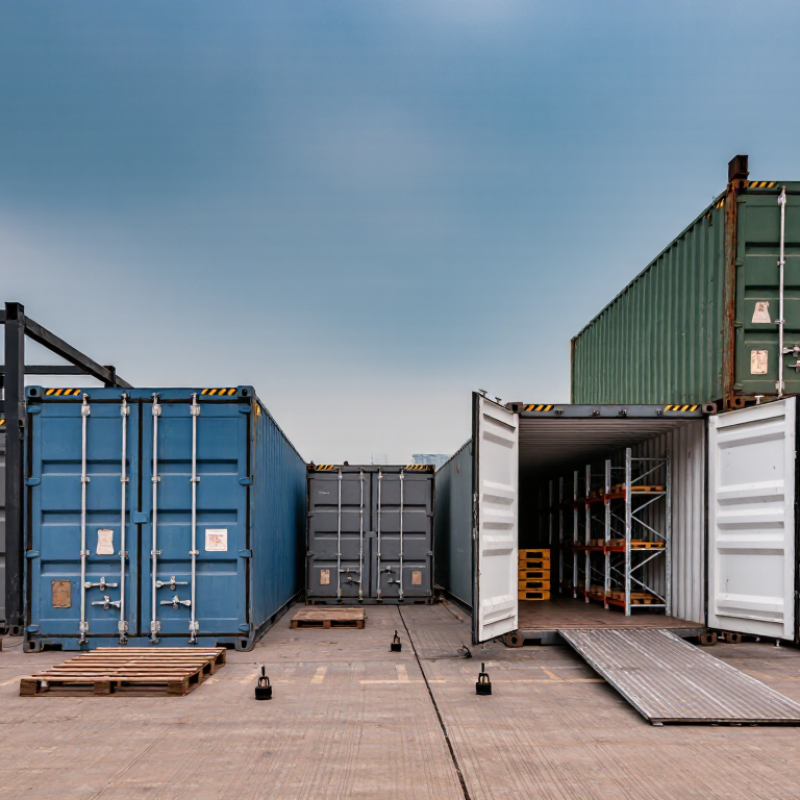
Construction Storage Containers: Types, Uses, and Selection Criteria
Construction storage containers protect tools, materials, and site equipment from weather, theft, and daily handling. Standard steel containers suit general storage and long-term projects. Open-side units improve access for bulky pipes, timber, and panels. High-cube models provide extra internal height for stacked supplies. Smaller mobile units work well beside renovation sites with limited space.
Selection should match the site, not just the budget. Check external dimensions, door clearance, floor strength, ventilation, and locking points. A dry interior matters when storing cement products, electrical parts, or finished surfaces. Corrosion-resistant coatings help in coastal or humid regions. For frequent relocation, inspect lifting pockets and corner fittings with a qualified provider. Local transport rules and foundation requirements also deserve attention. I have seen teams choose large units, then lose working space around them. Bigger is not always better.
Tips: Measure the delivery route before ordering. Check gates, overhead cables, turning areas, and ground conditions. Keep heavy items low and distribute weight evenly. Add shelving only after confirming the container’s load capacity. Ventilation reduces condensation, but it does not replace moisture control. Inspect seals, hinges, and locks after severe weather. A simple inventory sheet can prevent repeated purchases and misplaced tools. Allow extra space for access, because packed storage quickly becomes inefficient.
Steel Site Boxes for Tools, Hardware, and Daily Construction Materials
7 Best Construction Storage Containers for Global Buyers
Steel site boxes are practical for tools, hardware, and daily construction materials. The best choice depends on site size, weather, mobility, and access control. A welded job box suits heavy hand tools and power equipment. A drawer-style box keeps small fasteners, drill bits, and fittings easier to find. A weather-sealed container protects materials from rain, dust, and sudden temperature changes. Rolling models help crews move supplies across concrete floors. Stackable boxes save space in crowded work areas. Modular units support larger projects with changing storage needs. Smaller portable boxes work well for daily tool transport.
Look for reinforced corners, rust-resistant coatings, secure hinges, and a lockable hasp. Ventilation can reduce condensation inside the steel shell. However, vents should not leave wide openings for dust or water. Check the floor capacity before storing tile adhesives, metal fittings, or dense hardware.
Measure twice. A box that fits the tools may still block walkways or emergency access. On active sites, clear labels and simple inventory sheets reduce lost time. Bright internal lighting also helps during early shifts or low-light work.
Global buyers should confirm steel thickness, drainage design, packaging quality, and replacement hardware availability. Regional climate matters; coastal sites need stronger corrosion protection. Transport dimensions affect shipping costs and unloading equipment. One overlooked issue is empty weight. A very strong box may become difficult to reposition without machinery. I have seen teams choose maximum capacity, then regret poor mobility. Storage should protect materials without slowing the crew. Recheck the layout after one busy week. Real site habits often differ from the original plan.
Shipping Containers for Large-Scale and Long-Term Jobsite Storage
7 Best Construction Storage Containers for Global Buyers
For large-scale and long-term jobsite storage, shipping containers provide secure, relocatable space. Standard dry containers suit tools, pipes, fasteners, and packaged materials. High-cube models add valuable vertical clearance for shelving and bulky equipment. Side-opening units improve access when crews handle long or heavy items. Double-door containers support faster loading from either end. Tunnel models work well for busy sites with continuous material movement. Insulated containers help protect temperature-sensitive supplies from severe heat and condensation.
Container selection should match the site, not just the budget. Inspect the steel panels, door seals, locking bars, roof, and floor before purchase. A sound marine-grade floor matters when pallets or compact equipment are stored for months. Ventilation reduces internal moisture, but it cannot replace dry packing and regular inspections. Place the unit on level supports above standing water. Leave space around it for drainage and safe access.
Global buyers should confirm dimensions, payload limits, delivery access, and local import requirements. A container may look economical until cranes, permits, or difficult ground conditions increase costs. That mistake is common. Record serial details, inspection photos, and maintenance dates for reliable asset control. Weather-resistant locks and monitored access can reduce unauthorized entry. Custom shelving, lighting, and electrical work may improve productivity, but modifications need qualified installation and site approval. Not every “ready-to-use” unit is truly ready. A careful inspection still matters.
Mobile, Modular, and Weatherproof Containers for Flexible Site Needs
Global construction sites need storage that moves, adapts, and survives rough weather. Seven practical options stand out: standard steel containers, high-cube units, side-opening units, open-top containers, insulated containers, modular storage rooms, and mobile tool containers. Standard units suit general materials. High-cube models provide extra vertical clearance for pipes and framed equipment. Side-opening designs improve access when forklifts cannot reach the rear.
Mobility matters when work zones change weekly. Skid-mounted or wheeled containers can follow crews across large sites. Modular units work better for longer projects, especially when teams need linked storage, offices, or secure workshops. McKinsey’s report, Modular construction: From projects to products, indicates modular methods can reduce project schedules by 20–50% in suitable conditions. That advantage disappears when transport routes, lifting plans, or ground conditions receive little attention. Planning is not glamorous.
Weather protection requires more than steel walls. Check roof seams, door gaskets, raised floors, ventilation, and internal condensation control. The ISO 668 standard defines common container dimensions, helping global buyers coordinate transport and handling equipment. UNCTAD’s Review of Maritime Transport 2023 reports that over 80% of world merchandise trade by volume moves by sea, so internationally compatible dimensions can simplify relocation. Yet salt air, muddy ground, and repeated loading still damage equipment. A small inspection log helps. Record dents, leaks, locking condition, and floor strength before every transfer. No container is perfect. Some “weatherproof” units still need shade, pallets, and regular maintenance.
7 Best Construction Storage Containers for Global Buyers
Typical internal storage capacity of mobile, modular, and weather-resistant container options.
Standard and high-cube containers provide scalable storage for tools, materials, and equipment. Open-top and side-opening formats improve loading flexibility, while refrigerated units support temperature-sensitive construction supplies. Capacities are typical figures based on common ISO container dimensions; actual specifications vary by manufacturer, insulation, doors, and interior fittings.
Global Buying Factors: Size, Security, Compliance, Cost, and Delivery
For global buyers, the seven most useful construction storage formats are 10-foot, 20-foot, 40-foot, high-cube, side-opening, insulated, and office-storage containers. Choose by cargo volume, lifting access, and site conditions. A 20-foot unit suits tools and boxed materials. A high-cube model gives extra vertical clearance for pipes, frames, and stacked pallets. Side-opening doors help when forklifts cannot reach the rear.
Size affects more than capacity. ISO 668 defines common external dimensions, while ISO 1496-1 specifies container testing requirements. Check internal dimensions carefully. Door openings are often narrower than expected. Security should include a lock box, protected hinges, ventilation, and a strong three-point locking system. The container should also have an undamaged CSC safety plate when international transport is involved. Local storage rules may still require permits or fire controls.
Cost comparisons must include shipping, customs charges, crane unloading, site preparation, and last-mile delivery. UNCTAD reports that over 80% of global merchandise trade by volume moves by sea, so port congestion can affect availability and pricing. The World Bank Logistics Performance Index 2023 found that supply chains may take about 20 days in the best-performing countries, compared with 44 days in the weakest group. Confirm delivery windows in writing. Weather delays happen. I would also recheck floor loading, drainage, and resale assumptions before placing a large order.
| Container Type | Typical External Size | Approx. Internal Volume | Typical Construction Uses | Security Features | Compliance Considerations | Indicative Purchase Cost | Typical Delivery Lead Time |
|---|---|---|---|---|---|---|---|
| 20-Foot Standard Steel Container | 6.06 × 2.44 × 2.59 m 20 × 8 × 8.5 ft |
Approximately 33 m³ Payload commonly up to about 28,000 kg, subject to local specifications |
General tools, formwork, power equipment, pipes, fittings, packaged materials, and site inventory. | High Locking bars, weather-resistant steel panels, and provision for a protected external padlock or lockbox. |
ISO 668 dimensions are commonly used. CSC approval is required when the unit will be transported internationally as freight. | Approximately USD 2,000–6,500 for a used or new standard unit, excluding transport, taxes, and site preparation. | Approximately 2–8 weeks for standard stock; longer for remote destinations or customized units. |
| 40-Foot High-Cube Container | 12.19 × 2.44 × 2.90 m 40 × 8 × 9.5 ft |
Approximately 76 m³ Payload commonly up to about 28,000 kg, subject to the container rating |
High-volume storage of insulation, drywall, scaffolding components, long packaging, and bulk non-hazardous materials. | High Steel construction, locking bars, door seals, and optional internal shelving or partition systems. |
Confirm site access, lifting capacity, road restrictions, and CSC status if the unit will be shipped while loaded. | Approximately USD 3,500–9,000 for a used or new unit, excluding delivery and import-related charges. | Approximately 2–10 weeks, depending on availability, port access, and inland haulage. |
| 20-Foot Open-Side Container | Approximately 6.06 × 2.44 × 2.59 m | Approximately 31–33 m³, depending on door and wall configuration | Fast access to pallets, pipes, timber, cable reels, tiles, and materials handled by forklift or pallet truck. | High Lockable end doors plus lockable side-opening panels; additional internal restraints may be required. |
Check door-side clearance, structural certification, floor loading, and local requirements for modified containers. | Approximately USD 5,000–12,000, with price influenced by the number and design of side openings. | Approximately 4–12 weeks because side-opening configurations are less commonly stocked. |
| 20-Foot Open-Top Container | Approximately 6.06 × 2.44 × 2.59 m | Approximately 31–32 m³ | Oversized machinery parts, heavy steelwork, stone, construction waste, and goods loaded by crane from above. | Medium to High Locking end doors; tarpaulin or removable roof systems require careful securing and inspection. |
Confirm cargo height, lashing points, rain protection, lifting procedures, and CSC status for international transport. | Approximately USD 4,000–10,000, excluding specialized lifting equipment and weatherproof covers. | Approximately 3–10 weeks, depending on stock and the required roof or cover system. |
| Insulated or Refrigerated Container | Commonly 6.06 × 2.44 × 2.59 m for a 20-foot unit | Approximately 28–31 m³, depending on insulation thickness and equipment | Temperature-sensitive adhesives, sealants, coatings, selected finishes, electronic equipment, and materials requiring reduced temperature variation. | High Insulated panels, gasketed doors, stainless or coated interior surfaces, and optional temperature monitoring. |
Electrical supply, refrigerant regulations, energy consumption, ventilation, and local electrical certification must be reviewed. | Approximately USD 5,000–18,000 for a used or new unit; operating costs are additional. | Approximately 4–14 weeks, plus time for electrical conversion or monitoring-system installation. |
| Site Office and Storage Combination Unit | Commonly 6.06 × 2.44 × 2.59 m; sizes vary by modular design | Approximately 25–33 m³ of enclosed space, depending on office partitioning | Secure document storage, tool control, supervisor workspace, welfare facilities, and small-project administration. | High Personnel doors, lockable windows or shutters, lighting, electrical systems, and optional alarm provisions. |
Local building, fire, electrical, accessibility, insulation, and occupational-health requirements may apply. | Approximately USD 8,000–25,000, depending on insulation, wiring, windows, HVAC, furniture, and partitions. | Approximately 6–16 weeks for standard modular units; custom layouts may require additional time. |
| Bunded Hazardous-Materials Storage Container | Commonly based on 10-foot or 20-foot footprints; dimensions vary by bund design | Typically designed for drums, jerry cans, or intermediate bulk containers rather than maximum cubic capacity | Paints, solvents, fuels, oils, chemical products, and other regulated substances used on construction sites. | Very High Lockable doors, ventilated construction, spill containment, raised grating, and controlled access. |
Verify local fire, environmental, dangerous-goods, ventilation, labeling, separation, and spill-containment rules. UN classification may apply to the stored products. | Approximately USD 8,000–30,000, depending on capacity, fire rating, ventilation, and containment volume. | Approximately 6–18 weeks because these units are often manufactured or configured to order. |
Planning note: Dimensions, payloads, prices, and lead times are indicative international-market ranges only. Final specifications depend on the supplier, country, container condition, shipping route, customs duties, local regulations, lifting equipment, and site access. Prices exclude freight, taxes, permits, foundations, unloading, and installation unless specifically stated.
Related Posts
-
10 Best Construction Site Storage Containers?
-
Innovative Uses of Construction Containers That Transform Projects and Save Costs
-
Transform Your Construction Site Efficiency with Innovative Storage Container Solutions
-
2025 Top 5 Construction Site Storage Containers for Ultimate Security and Efficiency
-
Why Are Construction Site Storage Containers Essential for Efficiency?
-
Top 10 Container Rental Services at China Import Expo?