The Ultimate Guide to Jobsite Dumpsters for Your Projects?
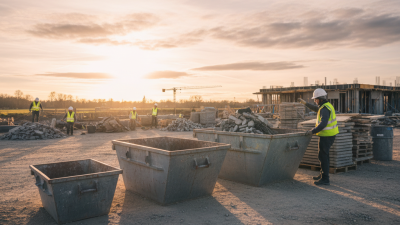
In the construction industry, jobsite dumpsters play an essential role in project efficiency and safety. Michael Johnson, a waste management expert, states, "A clean jobsite is a productive jobsite." This highlights the importance of maintaining organization among debris and waste.
Using jobsite dumpsters can significantly reduce hazards, ensuring crew members work in a safe environment. Proper waste disposal prevents accidents and keeps workflows uninterrupted. Yet, many projects overlook the selection and placement of these dumpsters, leading to wasted time and resources.
Understanding the right type of jobsite dumpster is crucial. There are various sizes and styles to meet unique project needs. But even with the best dumpsters, improper usage can lead to issues. It’s essential to reflect on waste management practices. This proactive approach can improve job site operations substantially.
Understanding Jobsite Dumpsters: Types and Sizes
Understanding jobsite dumpsters involves knowing the different types and sizes available. This knowledge is crucial for effective project planning. Dumpsters come in various sizes, typically ranging from 10 to 40 cubic yards. A smaller dumpster, like a 10-yard unit, works well for residential cleanouts. Bigger projects, such as construction or renovations, may need a 30 or 40-yard dumpster for heavy debris.
Choosing the right size is often more challenging than it seems. Many underestimate their waste volume, leading to overflows. It's essential to consider the type of materials being disposed of. Some dumpsters are designed for specific waste types, like concrete or yard debris. Understanding these distinctions can save time and reduce costs.
Not all job sites are the same. Location matters; access can affect dumpster placement. Sometimes, permits are required for street placements. Reflecting on these details ahead of time can minimize headaches later. Building a comprehensive plan around dumpster usage provides clarity and efficiency.
Selecting the Right Dumpsters for Different Projects
When selecting the right dumpster for your project, it’s crucial to consider the type of waste you will generate. Different projects produce varying types of debris, such as construction materials or household junk. For instance, a home renovation may require a smaller dumpster, while larger construction sites need bigger units. Understanding your project’s scale helps in making an informed decision.
It's also essential to factor in the duration of your project. Some will be completed in a few days, while others may take weeks. You should choose a dumpster that can accommodate not just the volume of waste, but also the timeline. A smaller dumpster may lead to more frequent exchanges, which can be inconvenient and costly. Balancing size and timeframe is key in choosing the right unit.
Lastly, consider your location and any access challenges. A dumpster placed on a narrow street may obstruct traffic, leading to potential issues. Reflecting on logistics is often overlooked but can greatly affect your project's efficiency. Be mindful that the right dumpster helps streamline debris removal, ultimately contributing to the smooth flow of work on site.
The Ultimate Guide to Jobsite Dumpsters for Your Projects
| Project Type |
Recommended Dumpster Size |
Typical Waste Type |
Estimated Rental Cost |
| Home Renovation |
10-15 yards |
Construction Debris, Wood, Drywall |
$300 - $500 |
| Commercial Construction |
20-30 yards |
Concrete, Metals, Mixed Waste |
$500 - $900 |
| Large Events |
30-40 yards |
Food Waste, Packaging, General Trash |
$600 - $1200 |
| Demolition |
20-40 yards |
Heavy Debris, Metals, Glass |
$700 - $1500 |
| Yard Cleanup |
5-10 yards |
Green Waste, Soil, Small Debris |
$200 - $400 |
How to Rent a Jobsite Dumpster: A Step-by-Step Guide
Renting a jobsite dumpster can streamline your construction or renovation project significantly. The process may seem daunting, but it can be straightforward if you follow the right steps. Begin by assessing the volume of waste you expect. According to industry standards, regular construction sites can generate between 4 to 6 pounds of waste per square foot. Understanding this can help you select the appropriate dumpster size.
Next, research your local waste management regulations. Different areas have specific rules regarding what can and cannot be disposed of in dumpsters. This knowledge not only ensures compliance but also aids in choosing a reliable rental service. Look for companies that have positive reviews and a track record of adhering to safety standards.
After deciding on a dumpster size and confirming regulations, it's crucial to discuss rental durations, delivery methods, and pick-up logistics with the provider. Many companies offer flexible rental periods, typically ranging from three to fourteen days. However, keep in mind that rushing the project might result in additional fees. Inadequate planning can lead to delays or even excess charges. Always read the rental agreement carefully to avoid unexpected costs down the line.
Tips for Maximizing Efficiency with Jobsite Dumpsters
When working on a jobsite, managing waste is crucial. Jobsite dumpsters can streamline this process significantly. To maximize efficiency, positioning is key. Place dumpsters close to the work area. This saves time and energy, reducing the need to carry debris long distances. A well-placed dumpster can keep the site tidy and organized, encouraging workers to dispose of waste properly.
Regularly monitor the dumpster's capacity. Overfilled dumpsters can lead to unsafe conditions and delays. Schedule timely pickups to avoid clutter. It's worth noting that different types of projects generate varying waste. Ensure the dumpster type aligns with your needs, whether you're dealing with construction debris or renovation waste. This prevents unnecessary complications.
Make communication clear among team members. Everyone should know where the dumpster is and what materials can go inside. Misunderstandings lead to mistakes. Encouraging a culture of responsibility helps too. Workers should feel accountable for keeping the site clean. Reflect on these practices often. Are they making a noticeable difference? Assessing your approach can lead to continuous improvement.
The Ultimate Guide to Jobsite Dumpsters: Efficiency Metrics
Best Practices for Loading and Maintaining Dumpsters on Site
Proper loading and maintaining of jobsite dumpsters can significantly impact your project’s efficiency. Mismanaged waste can lead to delays and increased costs. A report from the Environmental Protection Agency found that improper disposal can increase project expenses by up to 30%. Keeping the site organized reduces risks and enhances productivity.
When loading a dumpster, start with large items. Arrange them to maximize space. Use a crisscross pattern to create stability. This prevents tipping and makes transportation smoother. It’s crucial not to overload the dumpster. OSHA guidelines suggest keeping waste below the rim for safe transport.
Routine maintenance is essential for keeping a jobsite dumpster functional. Check for damages regularly. Ensure that the dumpster remains locked and secure when not in use. Failure to maintain can attract unwanted pests and create liability issues. A recent industry study showed that 15% of project delays were linked to maintenance oversights.
Stay aware of local regulations regarding waste disposal. Each region has its own rules. Understanding these can prevent costly fines. Keeping track of the waste types in the dumpster ensures compliance too.