Top Trends in Shipping Container Construction for 2025: What to Expect?
The shipping container construction industry is poised for significant evolution as we approach 2025, driven by innovations in design, sustainability, and functionality. Recent reports from the World Economic Forum estimate that the global market for shipping container homes and structures is expected to reach USD 73 billion by 2026, reflecting a compound annual growth rate (CAGR) of nearly 6% from 2021. This surge emphasizes the increasing popularity of shipping container construction as an alternative solution for affordable housing and commercial spaces, particularly in urban areas.
As environmental concerns intensify, more architects and builders are turning to shipping container construction to meet sustainable building standards. According to a study by the U.S. Green Building Council, the use of repurposed materials, such as shipping containers, can significantly reduce carbon footprints and waste, aligning with global initiatives aimed at achieving net-zero emissions. Moreover, innovative designs are enhancing the versatility of these structures, allowing for creative adaptations that cater to diverse needs, from pop-up retail spaces to eco-friendly homes.
As we look forward to 2025, the integration of technology in shipping container construction, including smart home features and modular designs, is expected to reshape the industry further. This evolution signals a promising future in which shipping container construction not only addresses housing shortages but also adheres to modern sustainability practices, making it a cornerstone of contemporary architectural trends.

Emerging Designs and Innovations in Shipping Container Homes
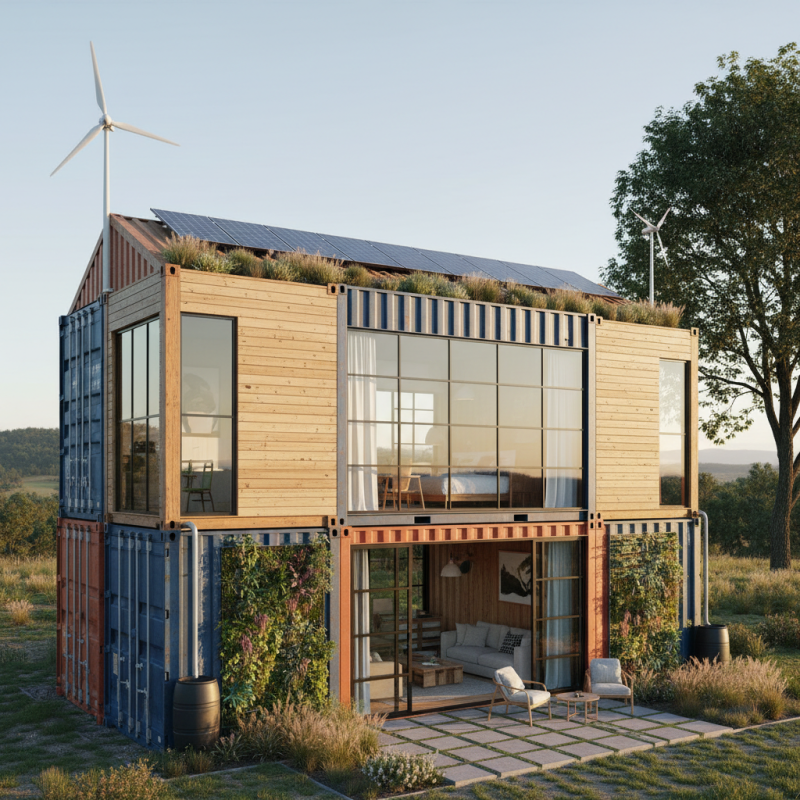
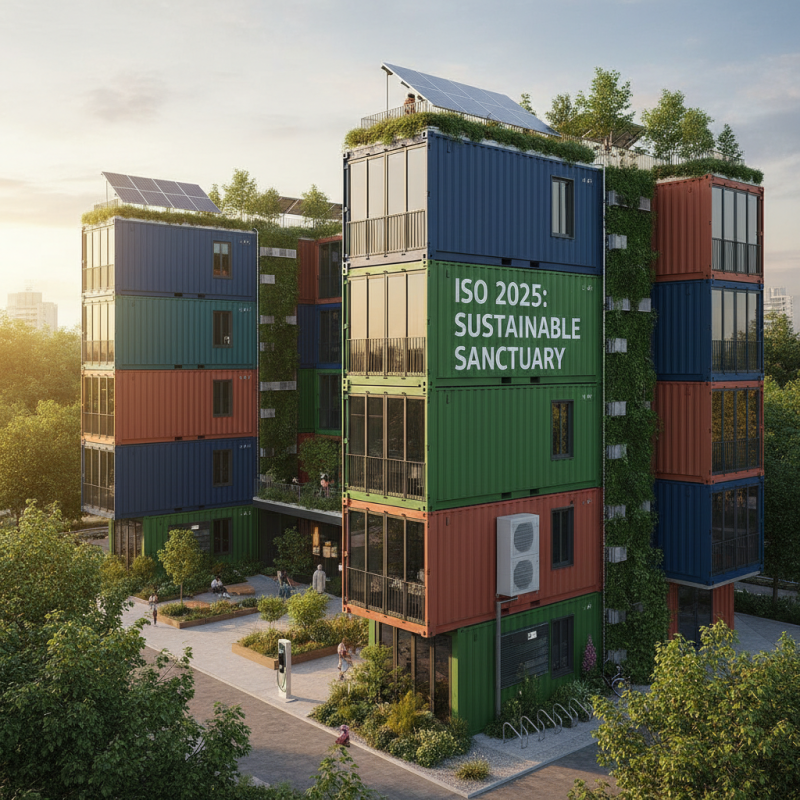
In recent years, shipping container homes have gained immense popularity due to their adaptability and sustainability. As we look toward 2025, emerging designs and innovations are set to redefine these unique living spaces. Architects are increasingly exploring multi-container designs, allowing for expansive, creative layouts that challenge traditional housing norms. With a focus on maximizing space and functionality, designs are incorporating open-concept living areas, large windows for natural light, and even the possibility of green roofs to promote sustainability.
Innovation in materials and technologies is also transforming the shipping container construction landscape. Smart home features are expected to be integrated into these homes, allowing residents to control lighting, heating, and security systems through mobile applications. Additionally, advancements in insulation and energy-efficient systems are making container homes more comfortable and environmentally friendly. By 2025, designs may include modular components that allow for easy customization and expansion, catering to the diverse needs and lifestyles of residents. These developments herald a new era in shipping container construction, blending practicality with cutting-edge design.
Sustainability Practices in Container Construction for Eco-friendly Living
The shipping container construction industry is increasingly aligning with sustainability principles, reflecting a global shift towards eco-friendly living. In 2025, one of the top trends will be the integration of renewable materials and energy-efficient technologies into container homes and structures. Builders are prioritizing the use of recycled materials, such as reclaimed wood and recycled insulation, which not only reduce waste but also minimize the carbon footprint of new constructions. Innovative designs that optimize natural light and ventilation are gaining popularity, making container homes more energy-efficient and comfortable to live in.
Another significant trend is the emphasis on water conservation and renewable energy integration within container constructions. Harvesting rainwater for domestic use and using solar panels for energy needs are becoming standard practices. This convergence of green technology with shipping container designs not only supports sustainable living but also enhances resilience against environmental challenges. As society becomes more aware of the impact of climate change, these practices are expected to set a new standard in the architectural landscape, demonstrating that modern living can coexist with responsible stewardship of our planet.
Technological Advancements Driving Shipping Container Construction
The shipping container construction industry is set to undergo significant transformations by 2025, largely driven by technological advancements. Innovations in modular construction techniques enhance the efficiency and speed of building structures from shipping containers. Prefabrication has emerged as a preferred method, allowing components to be manufactured off-site and assembled quickly on location. This approach not only reduces labor costs but also minimizes the environmental impact traditionally associated with construction activities.
Additionally, the integration of smart technologies into shipping container architecture is reshaping the way these structures function. The use of IoT devices enables real-time monitoring of energy usage, temperature control, and security, making container homes and offices more sustainable and user-friendly. Coupled with green building practices, such as the incorporation of solar panels and rainwater harvesting systems, these advancements pave the way for eco-friendly container solutions. As a result, the future of shipping container construction is not only about spatial efficiency but also about creating intelligent, interconnected environments that respond dynamically to their occupants' needs.
Regulatory Trends Impacting Container Architecture in 2025
The shipping container construction industry is poised for transformation as regulatory trends continue to shape architectural practices in 2025. Government bodies worldwide are imposing stricter building codes to ensure safety, sustainability, and environmental responsibility. According to a recent report by the International Organization for Standardization (ISO), structural regulations for container modifications will include enhanced guidelines on thermal insulation and energy efficiency to comply with increasing demands for eco-friendly construction practices. These evolving regulations aim to reduce carbon footprints, aligning with global climate goals.
As these regulations take effect, container builders and architects must adapt their designs accordingly. For instance, the adoption of advanced insulation materials and energy-efficient appliances is anticipated to become standard practice in shipping container builds. A projection by the Global Container Housing Market Report indicates that the demand for eco-compliant container homes is expected to grow by over 20% annually through 2025, emphasizing the importance of adhering to new regulations.
**Tips:**
1. Stay updated with local and international regulatory changes to ensure compliance in your designs.
2. Invest in sustainable materials that not only meet regulatory standards but also appeal to eco-conscious consumers.
3. Collaborate with engineers and architects familiar with container specifications to streamline the integration of regulatory requirements into your projects.
Market Demand Shifts Influencing Container Construction Strategies
As we move towards 2025, the shipping container construction industry is witnessing notable shifts in market demand that are reshaping construction strategies. One of the most significant trends is the increasing desire for sustainable and eco-friendly building practices. With a growing global awareness of climate change and environmental degradation, consumers and businesses alike are prioritizing green solutions. This rising demand is prompting builders to enhance insulation, utilize recycled materials, and incorporate energy-efficient designs into their container constructions, ultimately minimizing the ecological footprint of these structures.
Another influencing factor is the shift towards modular design and functionality. Clients are seeking customized solutions that cater to diverse needs, ranging from affordable housing to innovative retail spaces. As a result, container construction strategies are evolving to incorporate more versatile and adaptable designs. Builders are employing advanced technologies, such as 3D printing and smart building techniques, to create multifunctional structures that can be quickly designed and assembled. This adaptability meets the demand for flexible spaces that can respond to changing market dynamics while maintaining cost-effectiveness. Overall, embracing these shifts in market demand will be crucial for companies looking to thrive in the evolving landscape of container construction.
Top Trends in Shipping Container Construction for 2025