Is Shipping Container Construction the Future of Affordable Housing?
In recent years, "shipping container construction" has emerged as a promising solution to the housing crisis. Experts like Dr. Alex McDonald, a leader in sustainable architecture, believe this method can reshape urban living. He once stated, "Shipping containers are not just a trend; they are a viable response to our housing needs."
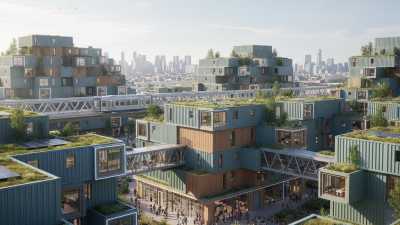
This innovative approach utilizes repurposed containers to create affordable, modular homes. Such designs offer flexibility and sustainability, appealing to those seeking cost-effective living solutions. However, the industry still faces challenges, such as zoning regulations and public perception. These hurdles require ongoing discussion and community engagement.
Addressing affordability in housing is crucial. While shipping container construction presents an exciting option, it is not without its imperfections. We must reflect on how it fits into our urban landscapes and the long-term implications for communities. Balancing innovation and practicality will determine the future of this construction method.

The Concept of Shipping Container Construction
Shipping container construction is gaining traction in the housing sector. This approach offers a solution to rising housing costs. According to the United Nations, by 2030, urban areas will need 1.6 billion additional housing units. Traditional building methods cannot meet this demand efficiently.
Containers are relatively inexpensive. A basic shipping container can be acquired for as low as $1,500. Transforming these containers into livable spaces typically costs around $10,000 to $35,000. This makes them a viable option for many. However, concerns about insulation and weatherproofing need to be addressed. Structures must meet local building codes, which can vary greatly. This process often slows down projects.
Sustainability is another aspect to consider. Reusing containers reduces waste and the carbon footprint of new construction. Research indicates that building with recycled materials can save up to 30% in energy consumption. However, not all locations are suitable for container homes. Zoning laws and community acceptance can pose challenges. The potential for shipping container construction is significant, but careful consideration is crucial.
Advantages of Shipping Container Homes
Shipping container homes are gaining attention for their potential in addressing affordability in housing. One significant advantage is cost reduction. Building with shipping containers can save up to 30% compared to traditional homes. A report from the Container Housing Institute indicates that constructing a 2-bedroom container home might cost around $45,000. This is appealing for many low-income families and individuals.
Additionally, shipping containers are durable and versatile. They are designed to endure harsh conditions at sea. This durability often translates to lower maintenance costs. They can also be easily transformed into various living spaces. Flexible designs cater to different needs, making them suitable for urban, rural, or temporary housing. According to the National Association of Home Builders, adaptable housing solutions help address both stability and sustainability challenges in communities.
However, the rise of shipping container homes invites scrutiny. Some critics question the long-term livability. Issues like insulation and moisture retention can arise. Urban planners must consider zoning regulations that could hinder container home development. A thoughtful approach is essential to ensure these homes meet safety and comfort standards for all residents. The journey of shipping container housing is still evolving, with lessons to be learned along the way.
Challenges and Limitations in Container Housing
Container housing has gained attention as an innovative solution for affordable living. However, it faces several challenges. One major concern is insulation. Containers are made of steel, which can lead to extreme temperatures inside. In colder climates, inadequate insulation can result in uncomfortable living conditions. In the heat, metal containers can become unbearably hot. Solutions like adding layers of insulation can be costly and may negate some cost benefits.
Moreover, zoning laws and building codes often complicate container housing projects. Many areas have strict regulations about construction materials and designs. This can delay projects or increase expenses. Additionally, communities may resist the idea of container homes, viewing them as temporary or unattractive. Aesthetic concerns can hinder acceptance and community integration.
Another important issue is sustainability. While repurposing shipping containers reduces waste, the materials used for insulation and finishes often are not eco-friendly. The lifecycle of these materials can raise environmental concerns. If container homes are to be a true alternative for affordable housing, addressing these limitations is crucial. Building a more sustainable and accepted model requires innovative thinking and community engagement.
Challenges in Shipping Container Housing
Case Studies: Successful Container Home Projects
Shipping container homes have gained traction as a solution for affordable housing. Research from the Container Structures industry suggests that using these containers can reduce construction costs by up to 30% compared to traditional methods. One notable case is in Austin, Texas, where a community of container homes was built, addressing both affordability and sustainable living. Each unit is designed to maximize space and energy efficiency, appealing to eco-conscious residents.
In another example, a project in Vancouver showcased innovative designs that repurposed old shipping containers. These homes offer modern amenities while costing significantly less. A survey indicated that over 60% of these homes were completed in less than six months. While container homes can be efficient and cost-effective, challenges exist, such as zoning regulations and insulation concerns. Cities should adapt their policies to accommodate this growing trend in housing.
Local governments and builders can learn from these projects and address common issues. The need for sustainable housing continues to rise, pushing the importance of such innovative concepts. Container homes provide a unique solution but require thoughtful implementation and community acceptance.
Is Shipping Container Construction the Future of Affordable Housing? - Case Studies: Successful Container Home Projects
| Project Location |
Number of Containers |
Total Square Footage |
Construction Cost |
Completion Year |
Sustainability Features |
| Austin, TX |
3 |
1,200 sq ft |
$75,000 |
2020 |
Solar Panels, Rainwater Harvesting |
| Los Angeles, CA |
4 |
1,600 sq ft |
$90,000 |
2021 |
Green Roof, Energy-efficient Insulation |
| Nashville, TN |
2 |
900 sq ft |
$50,000 |
2019 |
LED Lighting, Recycled Materials |
| Seattle, WA |
5 |
2,000 sq ft |
$120,000 |
2022 |
Geothermal Heating, Composting Toilets |
Future Trends in Affordable Housing Solutions
Shipping container construction has emerged as a forward-thinking solution in the affordable housing sector. With housing costs skyrocketing in many cities, innovative alternatives are necessary. A report from the United Nations indicates that over 1.6 billion people require adequate housing globally. Traditional construction methods often lead to high costs and lengthy timelines. In contrast, shipping containers can be repurposed for homes, providing a rapid and economical solution.
According to a study by the Container Housing Institute, the average cost of building with shipping containers can be 30% lower than conventional methods. These structures offer durability, adaptability, and a reduced carbon footprint. However, challenges exist. Some criticize the aesthetics and livability of container homes. Local regulations often complicate the approval process. While they offer a viable option, it’s important to assess the implications of using repurposed materials systematically.
Emerging trends indicate a growing interest in modular designs. Flexible layouts can cater to various family sizes and needs. A report from the National Association of Home Builders highlights that modular construction could represent 15% of new homes by 2025. As affordable housing pressures increase, the role of shipping container construction may grow, but its effectiveness relies on thoughtful design and community acceptance.