How to Rent a Dumpster for Construction Projects?
Renting a dumpster for construction projects can seem daunting. However, understanding the process is essential for effective waste management. John Smith, a seasoned expert in the dumpster rental industry, emphasizes, "Choosing the right dumpster is crucial for a successful project." This insight highlights a common challenge faced by many contractors.
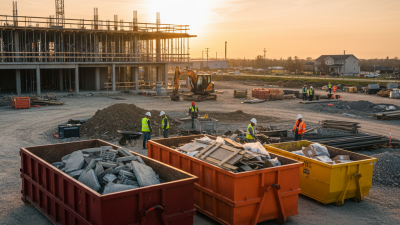
Construction sites generate a lot of debris. It’s not just wood and metal; there’s drywall, concrete, and hazardous waste, too. Without an appropriate dumpster, managing this waste becomes overwhelming. Many ignore the need for proper planning, which can lead to delays and added costs.
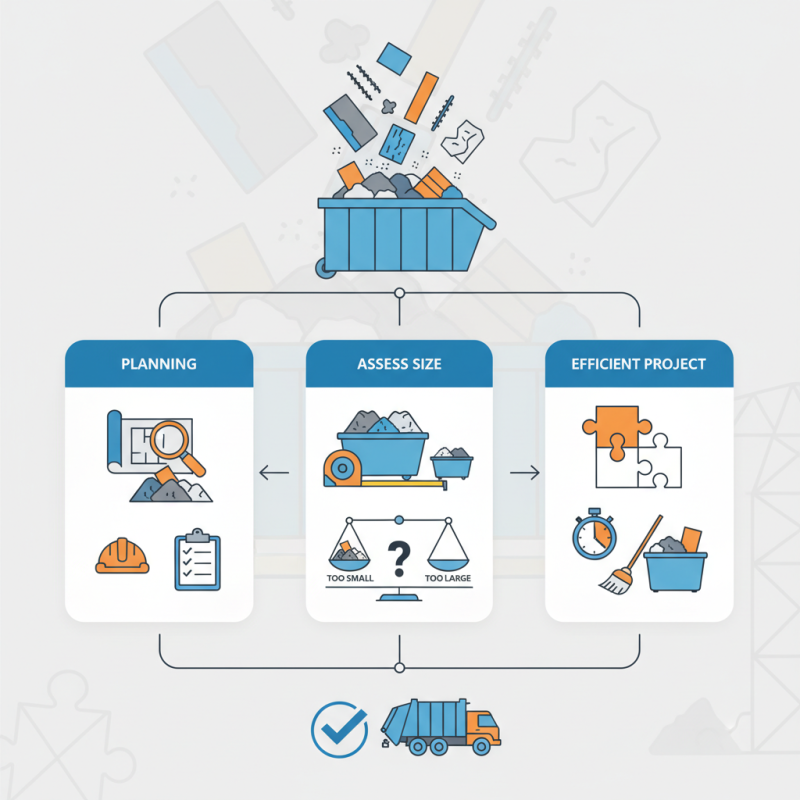
Another mistake is underestimating the dumpster size required. A too-small dumpster can overflow, causing safety hazards. Conversely, a too-large rental may lead to unnecessary expenses. The key is to assess the project thoroughly. Understanding these nuances is vital for any construction project. A well-chosen dumpster for construction enhances efficiency and streamlines the cleanup process.
Understanding Dumpster Rentals for Construction Projects
Understanding dumpster rentals for construction projects is crucial.
Construction sites generate a significant amount of waste. According to the Environmental Protection Agency (EPA),
construction and demolition debris account for about 25% of the total solid waste in the U.S.
Efficient waste management is essential. Renting a dumpster can simplify this process.
Choosing the right dumpster size matters. Common choices range from 10 to 40 yards.
A 20-yard dumpster typically holds about 10 pickup truck loads of debris.
However, many underestimate their needs, resulting in overflow or multiple rentals.
This can lead to increased costs. Understanding your waste type can help.
For example, heavy materials like concrete require specific disposal methods.
Placement of the dumpster is also key. It should be easily accessible for loading but not obstruct the project.
Some sites may face challenges due to space restrictions. Additionally, there are regulations that dictate where dumpsters can be placed.
Neglecting these details can lead to delays or fines.
Awareness and careful planning can make the process smoother and more effective.
Choosing the Right Size Dumpster for Your Needs
Choosing the right size dumpster for your construction project is crucial. A dumpster that's too small will require multiple trips to dispose of waste. On the other hand, a dumpster that's too large can lead to unnecessary expenses. Estimating the amount of debris you need to dispose of is key.
Consider the types of materials you'll be throwing away. Heavy materials like concrete or bricks take up more space. If you're dealing with standard renovation waste, a smaller dumpster may suffice. Measure the area where the dumpster will be placed. Make sure there's enough space for efficient loading. A cluttered area can slow down the process and lead to frustration.
Remember, it's often better to overestimate than underestimate. Being conservative with size might lead to hassles later. If in doubt, opt for a dumpster one size larger. It’s worth it to avoid the headache of running out of space mid-project. Planning ahead reduces the chance of wasting time and money.
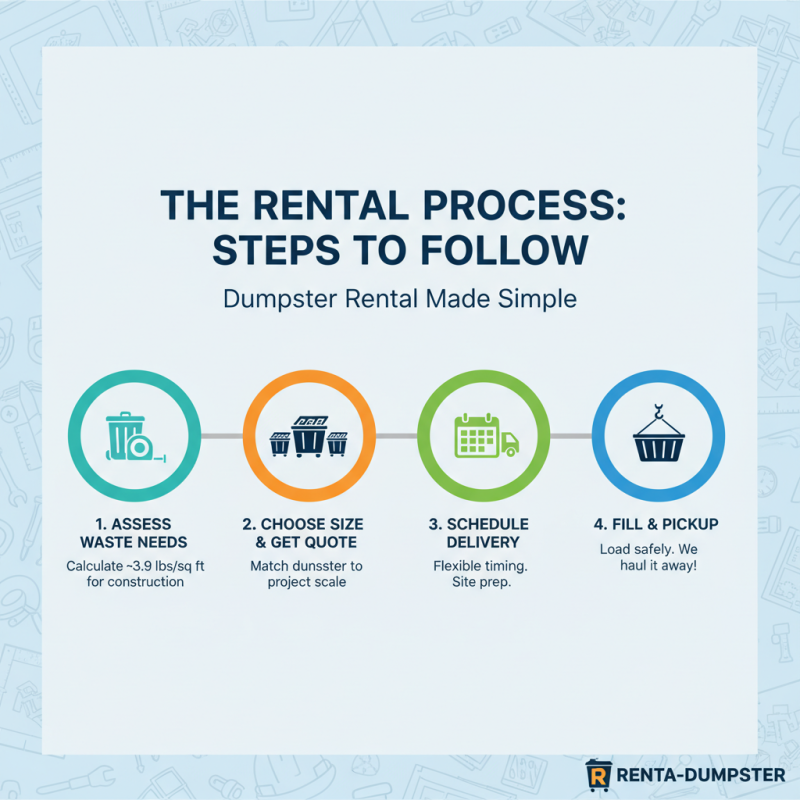
The Rental Process: Steps to Follow
Renting a dumpster can seem daunting, especially for construction projects. However, understanding the rental process is crucial. Start by assessing your waste needs. A typical construction project generates about 3.9 pounds of waste per square foot, according to industry research. Knowing this can help you choose the right dumpster size.
Next, determine your rental timeline. Most dumpster rentals are on a rolling schedule. Be clear about how long you need the dumpster. A common mistake is underestimating time, which may lead to additional fees.
**Tip:** Always ask about weight limits. Exceeding these limits can cost you more.
Once your needs are clear, contact rental companies. Request quotes and compare prices. Some companies may charge hidden fees, so read the fine print. This can prevent unexpected surprises later on.
**Tip:** Check reviews and ask for recommendations. A reliable service is key to a smooth process.
Prepare your location for the dumpster. Ensure the area is accessible and clear of obstacles. This step is often overlooked, leading to delays. Staying organized throughout the rental process will help keep your project on track.
Cost Factors to Consider When Renting a Dumpster
Renting a dumpster is essential for construction projects. However, several cost factors play a crucial role in the overall expense. One key factor is the size of the dumpster. Larger dumpsters typically cost more. You’ll find options ranging from 10 to 40 cubic yards. Choosing the right size is vital; a too-small dumpster could lead to overage fees.
Another significant factor is the rental duration. Many companies offer varying rates depending on how long you need the dumpster. Daily, weekly, or monthly rentals can affect your budget. Are you prepared for potential extra charges? Lastly, consider the type of debris you’re disposing of. Special waste, like hazardous materials, may come with additional costs. It’s essential to clarify these details upfront to avoid surprises.
You may not realize hidden fees could surface during the rental period. Delivery and pickup charges can vary, depending on location and accessibility. If your site is hard to reach, that might increase your expenses. Ensure you read the rental agreement carefully. Always ask questions if there's anything unclear. Understanding these factors helps avoid miscalculations in your budget.
Cost Factors to Consider When Renting a Dumpster for Construction Projects
Best Practices for Filling and Managing Your Dumpster
When renting a dumpster for construction projects, the way you fill it matters significantly. Start by planning how to load your items. Heavier materials, like bricks or concrete, should be at the bottom. This keeps the load balanced and safer. Light materials, such as insulation or wood, can go on top.
Avoid overfilling the dumpster; it can cause hazards during transport.
Managing your dumpster means being mindful of waste types. Most services provide guidelines on what can or cannot be dumped. Ignoring these rules may lead to extra fees. Keep your work area clean to make loading easier. It’s tempting to toss items in randomly, but that can cause overflow and hauler issues.
Consider your project timeline. A small dumpster may suffice for short jobs, but larger projects often require multiple hauls. Reflect on if you really need a dumpster at all. Sometimes, sorting and recycling can be more efficient. Make your choices thoughtfully to avoid waste and extra costs.