Why You Need a Construction Waste Bin for Your Projects?
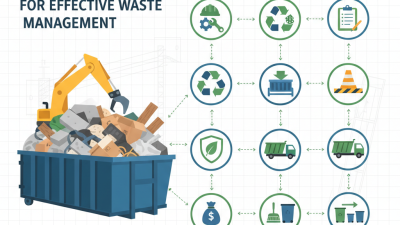
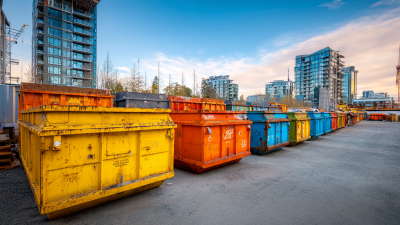
Construction projects often generate a significant amount of waste. This debris can become a nuisance. Managing this waste is essential for maintaining a safe and efficient worksite. A construction waste bin plays a vital role in this process. It provides a designated space for debris, making cleanup easier.
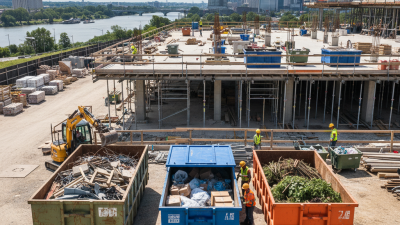
Without a construction waste bin, materials can pile up. This leads to cluttered work areas, increasing the risk of accidents. Disorganization can also slow down project timelines. Having a dedicated bin helps in reducing these hazards. It's important to reflect on the potential issues that arise from neglecting waste management.
Additionally, using a construction waste bin promotes sustainability. It allows for easier recycling and disposal of materials. Many projects overlook this aspect, leading to unnecessary waste. By incorporating waste bins, you not only improve safety but also contribute positively to the environment. It's a simple step that can make a significant difference.

Importance of Construction Waste Management in Modern Projects
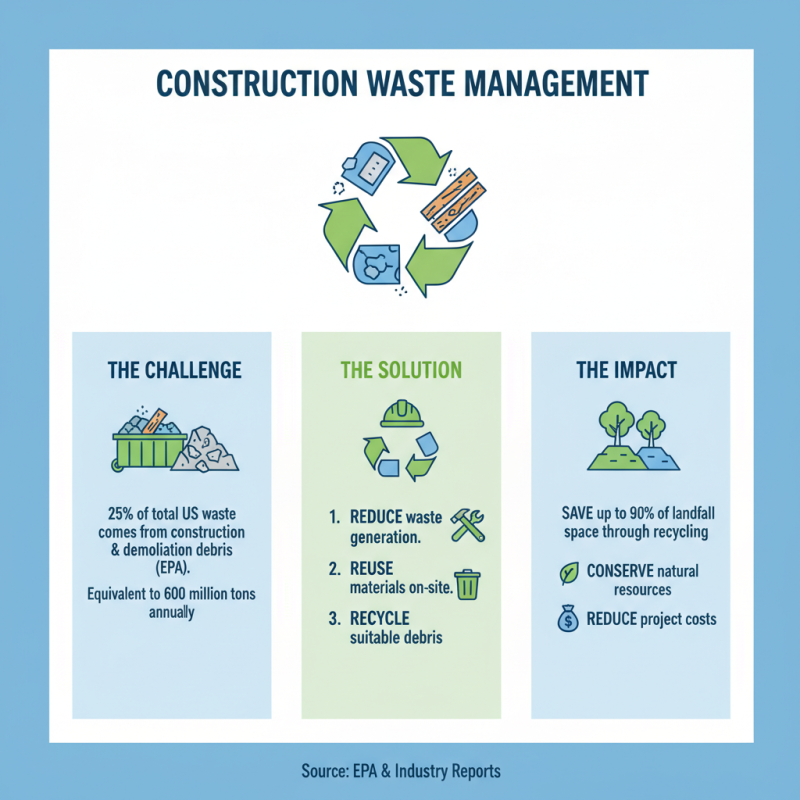
Construction waste management is crucial in modern projects. According to the Environmental Protection Agency (EPA), construction and demolition debris accounts for about 25% of the total waste generated in the U.S. Effective waste management can reduce this percentage significantly. A recent report highlighted that recycling construction waste can save up to 90% of landfill space.
Adopting a construction waste bin ensures that materials are properly sorted and recycled. Data from industry experts indicates that projects utilizing these bins recycle around 70% of their waste. This not only lowers environmental impact but also reduces project costs. Unfortunately, many sites still lack a designated waste management strategy.
Without clear systems in place, waste can end up in landfills unnecessarily. Inadequate planning often leads to lost materials or increased disposal fees. Workers might find it difficult to track waste types. This can delay projects and inflate budgets. Ensuring a waste bin is accessible can streamline processes and improve sustainability on site. Implementing this change may reveal overlooked opportunities for resource recovery.
Statistics on Construction Waste Generation in the Industry
The construction industry generates a staggering amount of waste each year. According to the Environmental Protection Agency (EPA), about 25% of all solid waste in landfills comes from construction and demolition activities. This statistic serves as a wake-up call for contractors. They must recognize the importance of managing waste effectively.
In 2018, the construction sector produced approximately 600 million tons of debris in the United States alone. This figure includes materials like concrete, wood, and metal. Each of these materials has potential recycling options. However, many sites still lack proper waste disposal methods. As a result, valuable resources end up in landfills.
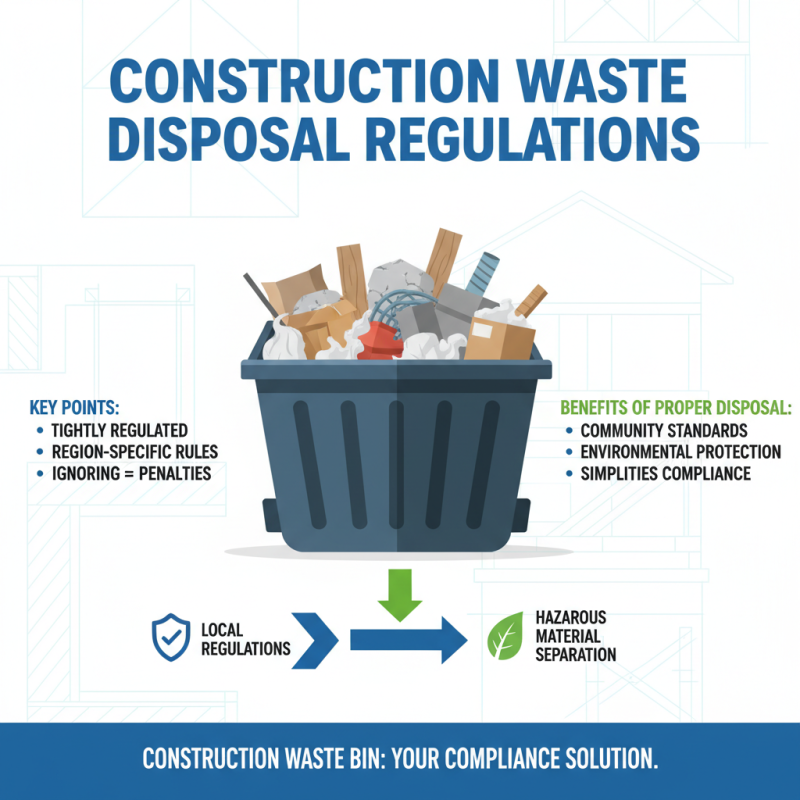
The need for a construction waste bin becomes evident when one considers disposal inefficiencies. Without a dedicated bin, debris may pile up, causing safety hazards. Workers may struggle to find space for safe, efficient operations. Moreover, unregulated waste accumulation can lead to fines and delays. Investing in a construction waste bin is not just practical; it’s essential for streamlined project success.
Benefits of Using a Construction Waste Bin for Project Efficiency
Construction projects generate substantial waste. Using a
construction waste bin can significantly increase project efficiency.
According to the Environmental Protection Agency (EPA), construction and demolition debris accounts for nearly
25% of all solid waste in the U.S. This indicates the need for
effective waste management strategies.
Utilizing a waste bin helps streamline these strategies. It ensures proper collection and disposal of
materials, such as concrete, wood, and
metal. Without a dedicated bin, workers may struggle to find suitable
disposal methods. This can lead to delays and additional costs. A study from the Construction Industry Institute found that
efficient waste management can reduce project delays by up to
30%.
Tips: Always choose the right size of the waste bin based on your project's scope. This avoids overflow and unnecessary multiple trips.
Make it a routine to separate waste types. This boosts recycling efficiency. If bins aren't available on-site, consider
temporary storage solutions. This could help in keeping the site organized while waiting for proper disposal options. Proper
planning saves time and money in the long run.
Sustainable Practices in Construction: Recycling and Waste Reduction
Construction generates a significant amount of waste. By utilizing a construction waste bin, you can manage this effectively. Sustainable practices in construction focus on recycling and waste reduction. This not only benefits the environment but also saves costs in the long run.
Consider separating materials at the site. Make it a habit to identify what can be recycled. Concrete, metal, and wood often have second lives. Here’s a tip: keep separate bins for different materials. This will simplify the recycling process. Small actions can lead to substantial reductions in landfill waste.
Yet, it’s not always straightforward. Sometimes, you’ll have leftover materials that seem unusable. Reflect on their potential value. A little creativity can transform scraps into useful items. Encourage your team to think of innovative ways to repurpose waste. Remember, every bit counts towards a greener project.