How Much Does a Construction Dumpster Cost?
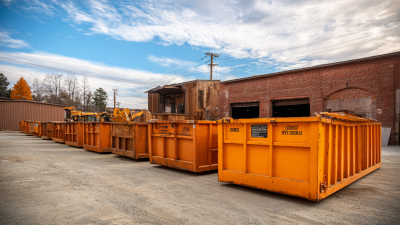
The cost of construction dumpster service can vary more than many project budgets suggest. A small bathroom renovation may need a 10-yard container, while a roofing replacement could require 20 or 30 yards. Local disposal fees, rental duration, debris weight, delivery distance, and container size all influence the final invoice. Prices may also change between cities, even when the dumpster looks identical.
Real projects are messier than spreadsheets. A crew may order a container for one week, then discover extra drywall, broken tile, or heavy concrete beneath the flooring. That changes the calculation quickly. In my experience, weight is often overlooked. A dumpster filled with clean wood behaves differently from one packed with brick, soil, or roofing materials. Some providers charge a flat rate, while others add overage fees after a weight limit.
This guide explains the main expenses behind construction dumpster rentals. It compares typical price ranges, common size options, delivery charges, rental extensions, and disposal costs. It also shows how to request clearer quotes from reputable local companies. Ask whether taxes, landfill fees, fuel charges, and pickup are included. Get the details in writing.
Small choices matter. Measuring the debris first can prevent an expensive second rental. Still, no estimate is perfect. Weather delays, changing demolition plans, and poor material separation can affect the total. Use the figures as planning tools, not promises. A careful quote, realistic timeline, and honest debris description will give you a more dependable budget.

What Determines the Cost of a Construction Dumpster?
Cost depends on more than the dumpster itself. A small container may cost less upfront, yet heavy debris can raise the final bill. Size, rental length, location, and material type shape the estimate. A 10-yard container suits a bathroom renovation, while a 30-yard container may fit a full roof replacement. Local delivery distance also matters. Remote sites often require extra transport time.
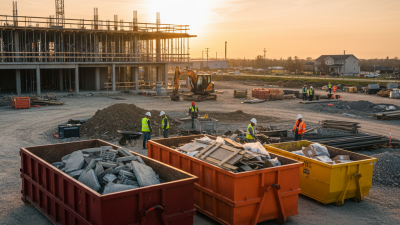
Weight is a frequent surprise. Concrete, brick, and soil become expensive when disposal fees follow the load. Some providers include a weight allowance, while others charge for every additional ton. Ask how that allowance is measured. Clarify whether delivery, pickup, taxes, and disposal charges appear in the quoted price. I have seen estimates look affordable until these details were added. That is not always dishonest, but it is easy to misunderstand.
Tips: Measure the work area before ordering. Keep the container on a firm, accessible surface. Ask for the maximum allowed weight in writing. Confirm the rental period and daily extension fee. Take a photo of the filled container before pickup. It can help resolve disputes. Leave space below the rim, too. Overloaded containers may need correction before transport. Prices vary by city and season, so compare itemized quotes, not just the lowest number.
How Much Does a Construction Dumpster Cost?
Typical U.S. base rental prices generally increase with dumpster size. The estimates below represent a standard rental period and commonly include delivery, pickup, and a limited disposal allowance. Local rates, rental duration, debris type, weight, permits, and extra disposal fees can change the final price.
What determines the cost? Dumpster size is the primary factor, while location, rental length, material weight, local disposal charges, permits, and additional rental days can significantly affect the total.
How Weight, Debris Type, and Local Fees Affect the Final Price
How Much Does a Construction Dumpster Cost?
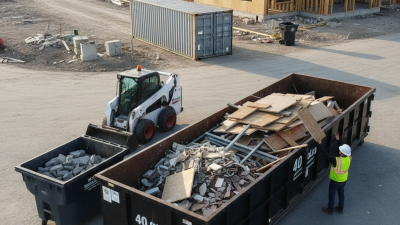
A construction dumpster’s advertised price is only the starting point. The final bill often depends on weight, debris type, and local disposal fees. A light load of wood may stay within the included weight allowance. Roofing materials, concrete, soil, and tiles can become expensive quickly because they are dense. One small container can exceed its limit before it looks full. I once underestimated broken masonry on a renovation job. The container seemed half empty, but the weight charge changed the estimate.
Debris type also affects sorting and disposal costs. Mixed construction waste may require more processing than clean concrete or separated lumber. Local fees can include permits, taxes, landfill charges, and delivery distance. Urban areas often have higher disposal rates. Rural locations may add transportation costs. Ask for the included tonnage, rental period, extra-day rate, and overage charge in writing. Estimates can still miss something. That is why a clear weight allowance matters.
Tips: Weigh the heaviest materials before ordering. Separate concrete, soil, metal, and wood when possible. Measure the work area carefully, and avoid filling above the container’s safety line. Request a complete quote from a licensed local provider. Compare the total price, not just the advertised rental fee.
Additional Charges to Check Before Renting a Dumpster
A construction dumpster’s advertised price is rarely the final bill. Delivery and pickup fees may be separate, especially when the site is outside the normal service area. A 2024 national home-service cost guide places typical dumpster rental prices near $300 to $600, but local access and debris type can change that range quickly.
Weight is another major cost trigger. The U.S. Environmental Protection Agency’s Construction and Demolition Debris: Material-Specific Data report estimated about 600 million tons of construction debris in 2018. Dense materials, such as concrete and brick, can reach a weight limit before the dumpster looks full. Ask for the included tonnage, overage rate, and scale-ticket policy in writing. Weight matters.
Rental time also deserves attention. Many contracts include a fixed period, then charge daily or weekly extension fees. A driveway blocked by a delayed project can quietly add several charges. Some haulers also bill for extra trips, difficult placement, street permits, or failed pickup attempts. Confirm whether the quoted rate includes taxes, fuel surcharges, and same-day changes.
Material acceptance rules can affect cost too.
Mixing heavy debris with general renovation waste may require a different container or sorting fee. I have found that estimates often fail because homeowners measure volume but ignore weight. That mistake is understandable, yet it deserves a second check before signing. Photograph the intended loading area and request a written, itemized quote.
How to Compare Dumpster Quotes and Control Project Costs
How Much Does a Construction Dumpster Cost?
How to Compare Dumpster Quotes and Control Project Costs
Construction dumpster prices depend on container size, rental length, delivery distance, and debris weight. A low base price may not be the cheapest option. Ask whether the quote includes delivery, pickup, landfill charges, taxes, and weight limits. Details matter.
Request matching quotes for the same container size and rental period. Confirm the allowed materials before scheduling delivery. Some providers charge extra for heavy debris, extended rentals, or loads above the included weight. A quote should state these fees clearly. If the wording feels vague, ask for a written example using your estimated debris amount.
Measure your waste honestly. A small kitchen remodel may fill a 10-yard container, while roofing or concrete work often needs more capacity. Overfilling creates safety and removal problems. Keep debris below the rim. That difference hurts. On one renovation, I underestimated the amount of flooring and paid for an extra pickup. The mistake was avoidable, but estimates are rarely perfect.
Control costs by scheduling delivery close to demolition and pickup soon after cleanup. Protect the driveway with plywood, and confirm the truck has safe access. Keep a simple record of delivery dates, rental days, and added charges. A transparent quote is useful, but careful planning matters just as much.