What is HDPE Cutting Board Material and Its Benefits?
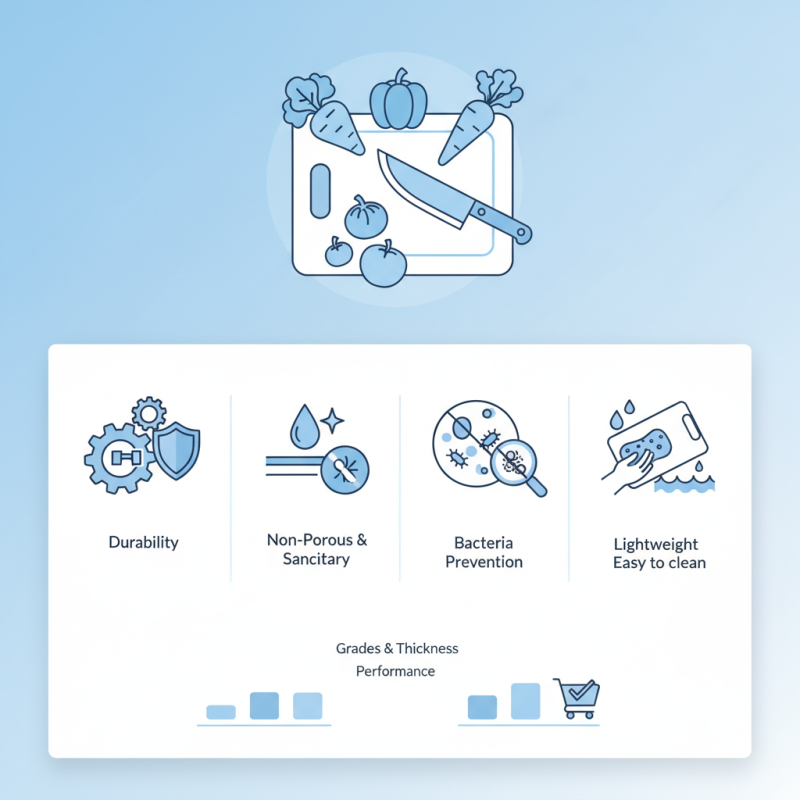
Hdpe Cutting Board Material has gained popularity among chefs and home cooks alike. This high-density polyethylene offers several advantages. Its durability is unmatched, resisting deep cuts and allowing for long-term use. Unlike wooden boards, HDPE boards do not absorb liquids or odors, making them more sanitary.
Many people might overlook the importance of choosing the right material for cutting boards. The surface of HDPE is non-porous, which helps prevent bacteria growth. This is critical for maintaining food safety in kitchens. Additionally, HDPE cutting board material is lightweight and easy to clean, contributing to a more efficient cooking experience.
However, it's essential to consider that not all HDPE boards are created equal. Different grades and thicknesses may affect performance. Users should be aware and choose wisely to maximize benefits. In the end, investing in quality HDPE cutting boards can enhance meal preparation while promoting hygiene.
What is HDPE and Its Properties for Cutting Boards
HDPE, or high-density polyethylene, is a versatile plastic widely used in various applications. For cutting boards, it has several remarkable properties. HDPE boards are durable and resistant to impact. They can withstand heavy use without warping or cracking. This material is also non-porous, which helps prevent bacteria build-up. The smooth surface makes cleaning effortless, ensuring that food remains safe.
Another significant benefit of HDPE is its chemical resistance. It does not absorb odors or stains from food. This makes it ideal for those who want to prepare different types of meals without cross-contamination. Furthermore, HDPE cutting boards are lightweight and easy to handle. They don’t require special maintenance, but they can develop scratches over time.
Despite its many advantages, HDPE cutting boards are not perfect. While they resist bacteria, not every scratch can be cleaned effectively. Regular inspection is necessary to ensure hygiene. Additionally, some users may prefer the aesthetic appeal of wood. Choices depend on personal preferences and kitchen needs. The balance between functionality and appearance remains a consideration for many home chefs.
Benefits of HDPE Cutting Boards
The Manufacturing Process of HDPE Cutting Boards
The manufacturing process of HDPE cutting boards begins with the selection of high-density polyethylene material. This plastic is known for its durability and resistance to stains and odors. After the material is sourced, it undergoes a heating process. The HDPE is heated to a specific temperature until it becomes pliable.
Once sufficiently warmed, the material is shaped into sheets. These sheets can vary in thickness depending on the desired final product. Each sheet is then cooled and cut into board sizes. Precision is crucial at this stage to ensure uniformity. After cutting, the edges are often smoothed to eliminate sharpness.
Throughout this process, quality control checks are essential. These checks prevent defects and ensure that every board meets safety standards. However, it’s essential to note that the production of HDPE may create waste. Manufacturers must strive for a balance between efficiency and sustainability, reflecting on how they can improve their practices.
Comparison of HDPE with Other Cutting Board Materials
HDPE cutting boards offer various advantages over other materials like wood and plastic. Unlike wooden boards, HDPE is non-porous, making it resistant to bacteria and easy to clean. This feature is essential for food safety, as it helps prevent cross-contamination. HDPE also does not absorb odors or stains, ensuring longer usability.
In contrast, wooden cutting boards can warp and crack over time. They require special care, including frequent oiling. On the other hand, traditional plastic boards may dull knives quickly. HDPE is durable and gentle on blade edges, making it ideal for daily use.
Tips for maintaining your HDPE board include regularly washing it with warm soapy water instead of a dishwasher. Avoid using harsh chemicals. Also, consider using separate boards for meat and vegetables to enhance food safety. While HDPE has many benefits, always inspect it for scratches, which can harbor bacteria over time.
Health and Safety Benefits of Using HDPE Cutting Boards
HDPE, or high-density polyethylene, is a popular choice for cutting boards. Its non-porous surface is key to health and safety. Unlike wood or other materials, HDPE does not absorb liquids. This feature helps to reduce the risk of bacteria growth. When you slice vegetables or meats, juices don't seep into the board. This minimizes cross-contamination.
Using HDPE cutting boards also means easy cleaning. These boards can withstand hot water and harsh detergents. You can sanitize them without worrying about material degradation. However, while they are durable, they can show knife marks over time. These grooves may harbor bacteria if not cleaned thoroughly. It’s important to replace worn-out boards to maintain food safety standards.
Another benefit is the lightweight nature of HDPE. This makes transport easy, which is crucial in busy kitchens. However, users should note that lighter boards can slide on countertops. Using a damp cloth underneath can help prevent this. Overall, the health benefits of HDPE cutting boards make them a wise choice for cooking. Regular maintenance and awareness are essential for optimal safety.
Environmental Impact and Recycling of HDPE Material
HDPE, or high-density polyethylene, is a popular material used in cutting boards. It is durable and resistant to stains and odors. However, its environmental impact deserves attention.
The recycling of HDPE is an important factor in its sustainability. This material can be recycled efficiently, reducing waste in landfills. Many recycling programs accept HDPE, turning old cutting boards into new products. This process conserves resources and energy, contributing to a circular economy. However, not all consumers are aware of recycling options. This lack of knowledge can lead to increased waste.
While HDPE cutting boards are practical, their production still poses environmental challenges. The extraction of petroleum, a core ingredient, can lead to pollution and habitat destruction. Consumers should reflect on their choices and consider the broader implications of using HDPE products. By opting for recycled materials or supporting recycling initiatives, individuals can make a positive impact.
