Why Do You Need a Forklift Collision Detection System?
In busy warehouses, safety is crucial. Forklifts navigate tight spaces, often carrying heavy loads. This can lead to accidents without proper measures. A Forklift Collision Detection System greatly reduces these risks. It can alert operators to nearby pedestrians or objects. With real-time data, the system helps in making quick decisions.
Accidents can happen quickly. A moment's distraction can cause significant damage. Such events can lead to injuries or costly repairs. Having a reliable Forklift Collision Detection System is essential for prevention. These systems use sensors to monitor surroundings. They often include alarms to warn operators in dangerous situations.
However, implementing a collision detection system is not a cure-all. Operators still need training and awareness. Technology is only part of the solution. A forklift collision detection system requires regular maintenance and updates. It's an ongoing process, not a one-time fix. Striving for safety is a shared responsibility.
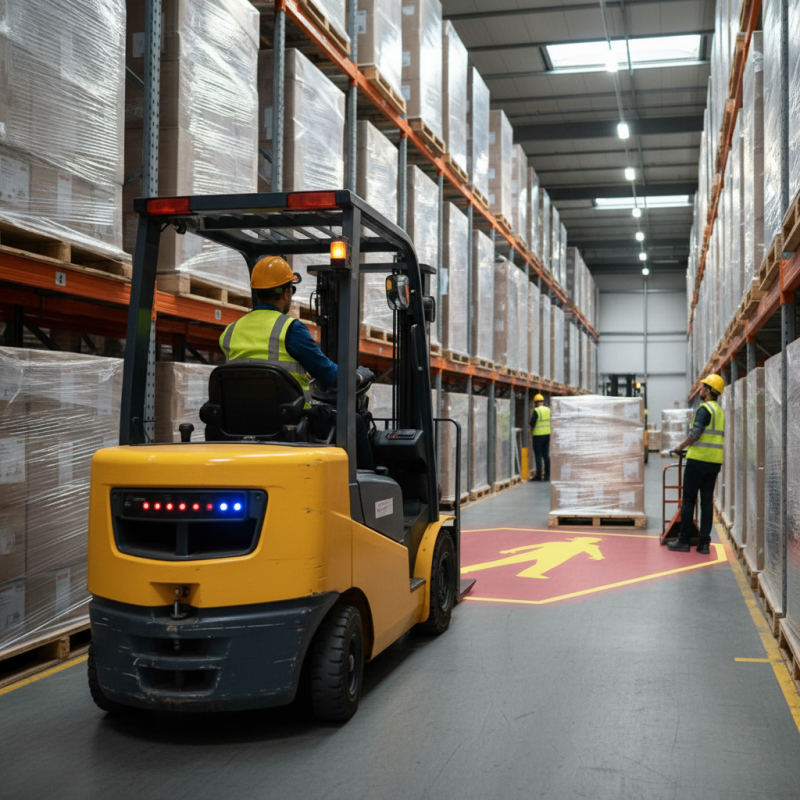
Importance of Forklift Safety in Warehouse Operations
In warehouse operations, safety is paramount. Forklifts are powerful tools that help transport goods efficiently. However, their use can lead to accidents if not managed properly. A collision detection system serves as a safety net. It provides alerts when a forklift approaches obstacles or employees too closely.
In busy environments, distractions are common. Workers might not notice forklifts approaching. A collision detection system can prevent incidents that cause injuries or damage. These systems use sensors to monitor surroundings. Their timely alerts can save lives and minimize costly repairs.
Ignoring forklift safety leads to serious challenges. Companies might face fines and lost productivity. Safety should never be an afterthought. Investing in a collision detection system reflects a commitment to a secure workplace. Every detail counts in maintaining a safe environment for all employees.
Overview of Forklift Collision Risks and Consequences
Forklift operations carry significant risks, making collision detection systems essential. According to the Occupational Safety and Health Administration (OSHA), forklift accidents account for approximately 20,000 injuries annually in the U.S. Poor visibility and operator error frequently contribute to these incidents. A collision between a forklift and a pedestrian can lead to severe injuries. In fact, about 100 fatalities are linked to forklift accidents each year.
The consequences extend beyond physical harm. Businesses face hefty costs from medical expenses and potential lawsuits. A report from the National Safety Council indicates that workplace injuries can cost employers between $38,000 and $58,000 per incident. This financial burden is avoidable with the right safety measures in place. A collision detection system alerts operators to obstacles, enhancing situational awareness.
Despite the available technology, some companies hesitate to invest. A reluctance to adapt is evident. Workplaces still experience collisions, resulting in lost productivity and morale. Simple, practical solutions can prevent unnecessary tragedies. The cost of inaction can outweigh the investment in safety systems.
Key Features of Effective Collision Detection Systems
Forklift collision detection systems are essential for enhancing safety in busy warehouses and industrial environments. Effective systems utilize a blend of technologies, including sensors, cameras, and alarms to prevent accidents. A report by the Occupational Safety and Health Administration (OSHA) indicates that over 20,000 forklift accidents occur annually in the U.S. alone, often resulting in severe injuries. These statistics highlight the pressing need for reliable detection systems.
Key features of collision detection systems include real-time alerts. When a forklift approaches a pedestrian or an obstacle, the system triggers warning signals. This instant response can prevent potentially tragic incidents. Data analytics is another crucial feature. It helps track trends and incidents, allowing for informed decisions about safety protocols. According to a recent industry study, warehouses that implemented such systems saw a 30% reduction in accidents.
Tips for choosing a good system:
- Look for customizable features.
- Consider ease of integration with existing systems.
- Regular updates are crucial for adapting to new challenges.
Inadequate attention to these elements can result in inefficient operations. Reflect on your current practices. Are they truly effective?
Benefits of Implementing a Forklift Collision Detection System
Forklift accidents are a serious concern in warehouses and distribution centers. According to the Occupational Safety and Health Administration (OSHA), forklifts account for nearly 85 fatalities and 34,000 serious injuries each year. Implementing a collision detection system can significantly reduce these risks. Such systems use sensors to identify potential hazards, alerting operators in real-time.
Investing in these systems can enhance safety protocols. Studies show that facilities with collision detection have reduced incidents by up to 40%. This not only protects workers but also minimizes equipment damage. A safer environment fosters productivity. Employees are less likely to suffer injuries, leading to lower insurance costs and higher morale.
However, some operators may resist adapting to new technologies. Financial concerns and training requirements often create barriers. Yet, the long-term benefits can outweigh initial hesitations. Improved safety measures often result in fewer operational disruptions, ultimately enhancing bottom lines.
Best Practices for Maintaining and Using Collision Detection Technologies
Collision detection technologies are essential for any workplace that uses forklifts. These systems help prevent accidents and protect both employees and equipment. To get the most from these technologies, it's crucial to implement best practices in maintenance and usage.
Regularly inspect the detection systems. Ensure sensors are clean and functioning properly. If issues are found, repair them promptly. Consistent checks can prevent minor glitches from becoming major problems. Forklift operators should be trained to understand the importance of these systems. They need to know how to react when an alarm sounds. This training often reveals gaps in knowledge about safe driving practices.
Updating software is also key. New features may enhance functionality and safety. Monitor for updates and apply them as needed. However, not every update is necessary. Evaluate changes to see if they truly add value. It's easy to overlook the technology, especially in a busy environment. Regular discussions about safety can keep the focus on collision detection. Addressing concerns and suggestions from staff can lead to improvements. This reflection can make a real difference in safety outcomes.
