Top 10 Factors Influencing the Cost of Construction Dumpster Rental?
When planning a construction project, many factors influence the cost of construction dumpster rental. Understanding these factors can help in budgeting effectively. A dumpster provides a practical solution for waste disposal on job sites. However, costs can vary widely depending on several key considerations.
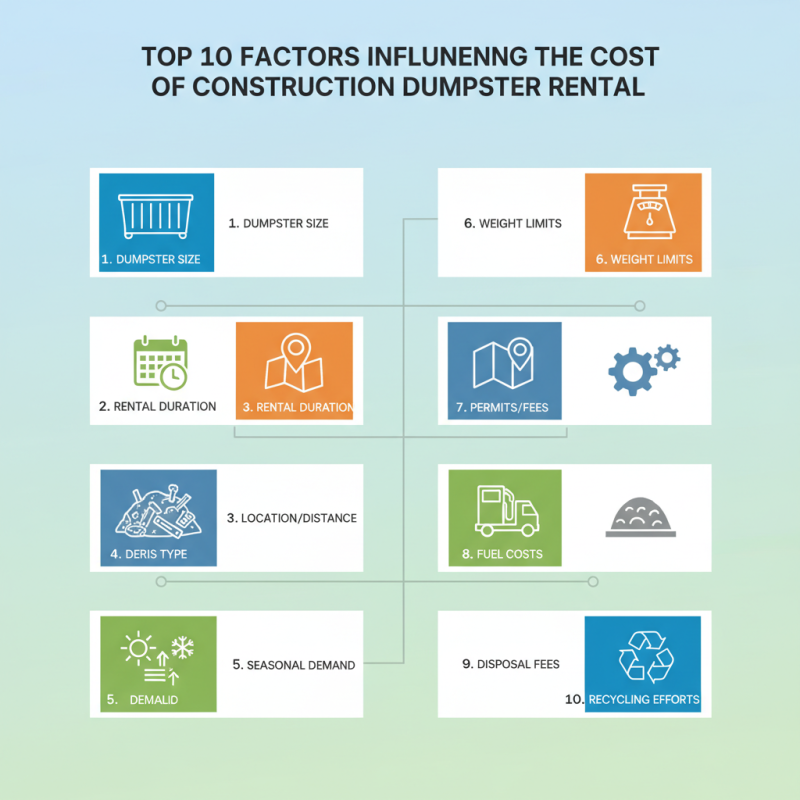
The size of the dumpster is a crucial factor. Larger containers typically cost more. The duration of the rental also impacts pricing. Longer rentals result in higher expenses. Additionally, the location plays a significant role. Urban areas may have higher transportation costs for dumpster delivery and pickup.
Other elements include the type of debris being disposed of. Some materials may incur additional fees. Seasonal demand can also affect the cost of construction dumpster rentals. For example, summer projects might see a spike in prices due to high demand. Understanding these nuances is essential for proper planning. Misestimating costs can lead to budget overruns, which can be frustrating. It’s crucial to gather detailed information before making rental decisions.
Factors Influencing Size and Weight Limits of Construction Dumpsters
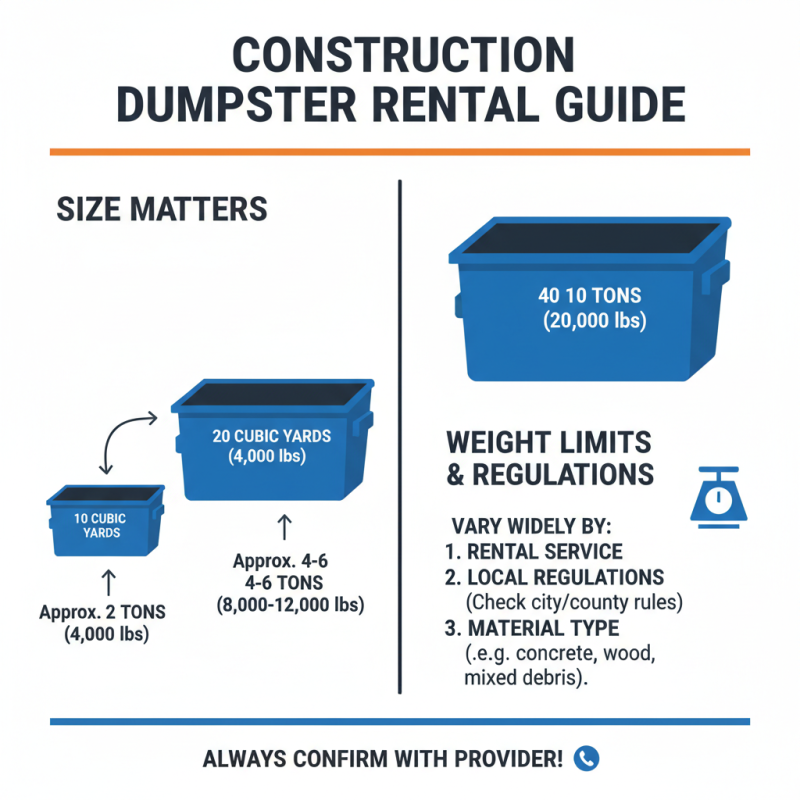
When choosing a construction dumpster, size and weight limits are critical factors. A typical construction dumpster can range from 10 to 40 yards. Smaller dumpsters hold about 2 tons, while larger ones can accommodate 10 tons. These limits vary widely based on the rental service and local regulations.
The type of debris being disposed of also dictates these limits. Heavy materials like concrete or bricks take up less space but weigh more. In contrast, lighter materials like wood or insulation allow for more volume with weight flexibility. An industry report indicates that around 60% of rental customers underestimate the weight of their debris. Miscalculations can lead to additional fees.
Furthermore, local waste management policies often impact dumpster size. Some regions impose restrictions, which can complicate rental options. The result can be frustrating. Renting a dumpster with inadequate limits can lead to project delays. Always consider these factors carefully to avoid unexpected challenges. Proper planning is essential.
Geographical Variations in Construction Dumpster Rental Costs
When it comes to construction dumpster rental, geographical location plays a key role in determining costs. According to a report from the Environmental Protection Agency, rental prices can vary significantly across regions. In urban areas, costs may run up to 15% higher due to increased demand and limited space. Meanwhile, rural locations often see lower rates, but availability can be an issue.
Cities like New York or San Francisco may charge around $600 for a 30-yard dumpster. In contrast, smaller towns may only charge $350. This discrepancy reflects local regulations, transportation costs, and market demand. Construction projects in bustling urban zones face not only higher prices but also logistical challenges. Finding space for dumpster placement can be tricky.
Local laws also add complexity. Some municipalities impose additional fees or restrictions. For instance, permits might be necessary in certain locations. These factors can inflate costs by up to 20%. Overall, understanding geographical influences helps ensure budget accuracy for construction projects. Planning carefully for these differences can mean substantial savings.
Top 10 Factors Influencing the Cost of Construction Dumpster Rental
| Factor |
Description |
Average Cost Impact ($) |
| Geographic Location |
Costs vary significantly between urban and rural areas. |
$50 - $150 |
| Seasonal Demand |
Higher demand in summer leads to increased prices. |
$20 - $100 |
| Size of Dumpster |
Larger dumpsters cost more to rent. |
$100 - $300 |
| Weight Limits |
Overage fees apply for exceeding weight limits. |
$50 - $150 |
| Type of Waste |
Specialized disposal for hazardous materials increases costs. |
$100 - $400 |
| Rental Duration |
Longer rentals typically cost more. |
$20 - $200 |
| Local Regulations |
Permits may be required in certain areas, increasing cost. |
$50 - $200 |
| Delivery and Pickup Fees |
Fees for transporting the dumpster can vary. |
$50 - $150 |
| Seasonal Promotions |
Discounts offered during off-peak seasons can lower costs. |
-$20 - -$100 |
| Customer Service and Reputation |
Reputable companies may charge more for reliable service. |
$20 - $80 |
Duration of Rental and Its Impact on Overall Dumpster Pricing
When renting a construction dumpster, duration plays a significant role in overall pricing. Many companies charge based on the length of time you need the dumpster. A one-day rental often costs less than a week-long rental. However, if you underestimate your project duration, extra fees may accumulate quickly. Think about how long you'll truly need the dumpster. It's key to avoid unexpected charges.
Choosing a longer rental period may seem wise if you're unsure. Yet, what if you finish early? Some companies don’t provide refunds for unused days. This can lead to spending money you didn’t intend to waste. Planning accurately can save money and headache. A good practice is to assess your project timeline realistically.
Understanding your needs is essential. If your project extends beyond initial estimates, contact the rental service promptly. This can help avoid extra fees. Being proactive is better than dealing with surprises later. Consider all these factors when planning for a construction dumpster rental. Unforeseen circumstances do arise, so think ahead. Your budget and project efficiency depend on it.
Top 10 Factors Influencing the Cost of Construction Dumpster Rental
Types of Waste Material and Their Effect on Rental Expenses
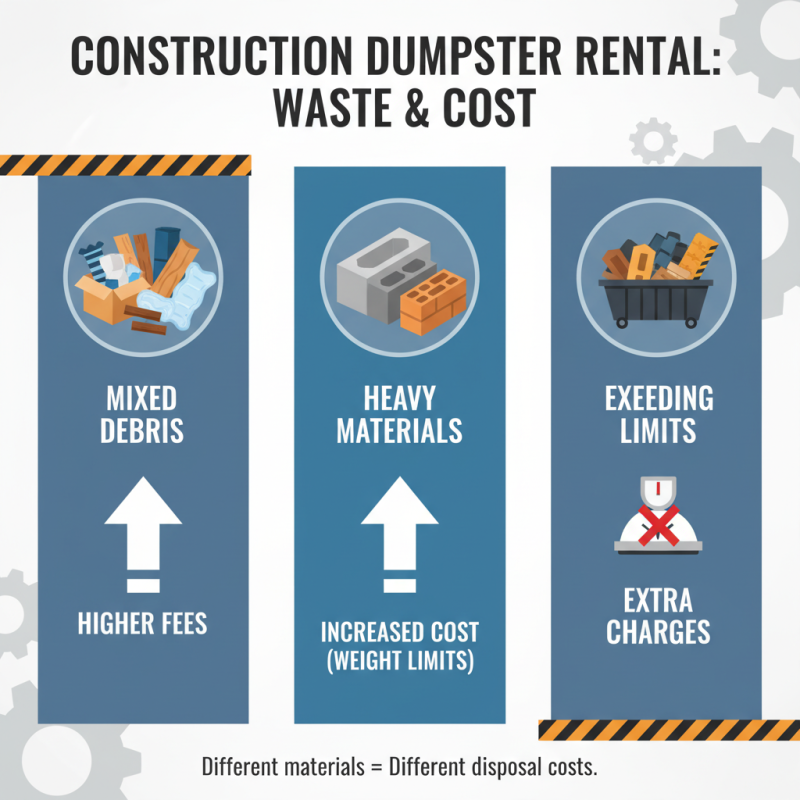
When renting a construction dumpster, the type of waste material significantly impacts the cost. Different materials have varying disposal requirements. For example, mixed debris often leads to higher rental fees. Heavy materials like concrete or bricks can also increase costs due to weight limits. Many dumpster rentals charge extra for exceeding these limits.
Hazardous waste adds another layer of expense. It requires special handling and disposal methods. If you're disposing of paint, chemicals, or asbestos, plan on paying more. The nature of the waste directly influences how much you’ll spend.
Some people underestimate the volume of debris they generate. This can lead to unexpected costs if they need a larger dumpster than initially thought. Misjudging your needs can waste time and money. It's essential to assess the project accurately and choose the right dumpster type. Being aware of these factors can help manage rental expenses more effectively.
Local Regulations and Permits Influencing Dumpster Rental Fees
When renting a construction dumpster, local regulations and permits can significantly impact the cost. Different towns and cities impose various rules concerning dumpster usage. Some areas may require specific permits before the rental can happen. These permits can add unexpected costs to your overall rental fee. Understanding your local laws can save you money later.
Tip: Always check with your local government. They often have guidelines on dumpster placement. Knowing where you can place the dumpster can prevent fines. A wrong location might lead to penalties, increasing your expenses.
Additionally, some neighborhoods have restrictions on dumpster sizes. If you rent a larger dumpster than allowed, you may incur extra charges. Each locality has unique requirements that can change frequently. It’s wise to stay informed about these changes.
Tip: Contact local waste management services for updates. Building codes may also dictate dumpster placement. Ensure you review these thoroughly to avoid surprises. Taking these steps can make the renting process smoother and more cost-effective.