10 Essential Tips for Using Construction Site Storage Containers Effectively
When it comes to managing a construction site, effective use of construction site storage containers is crucial. David Reynolds, a leading expert in construction logistics, once said, "Proper storage is the backbone of a successful project." This quote highlights the importance of efficiently utilizing storage containers for materials and tools.
Construction site storage containers serve as secure hubs for equipment and supplies. However, many projects face challenges regarding organization and accessibility. Inefficient storage can lead to delays, increased costs, and site hazards. It's essential to address these challenges head-on.
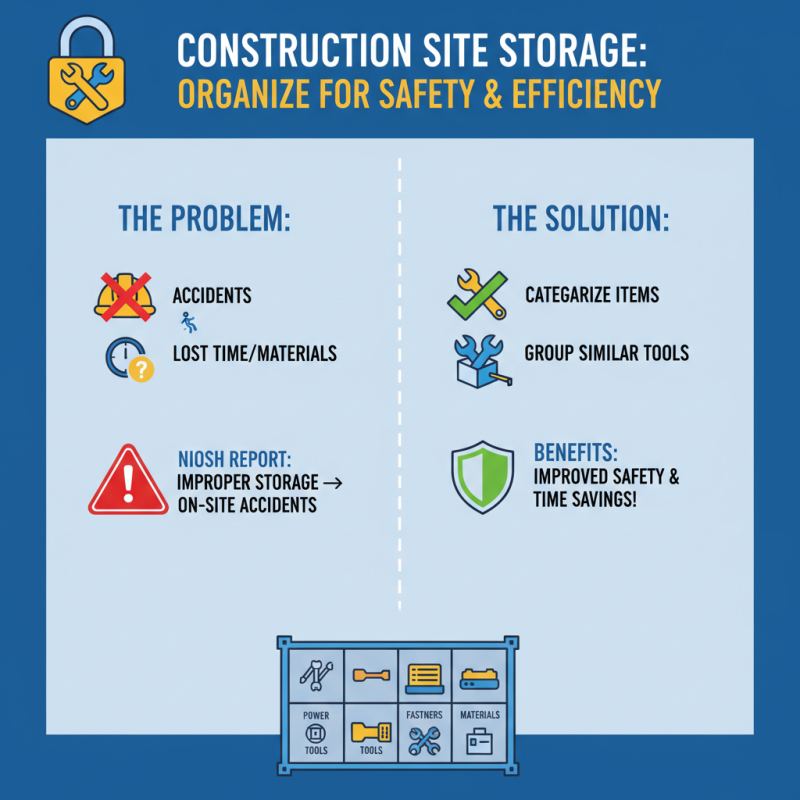
Utilizing construction site storage containers requires thoughtful planning. For example, designating specific containers for certain materials can streamline operations. Additionally, regular inventory checks help maintain organization. A well-organized site can reduce time wastage and improve safety. Teams must reflect on their storage practices regularly to ensure they are maximizing this resource effectively.
Understanding the Role of Storage Containers in Construction Projects
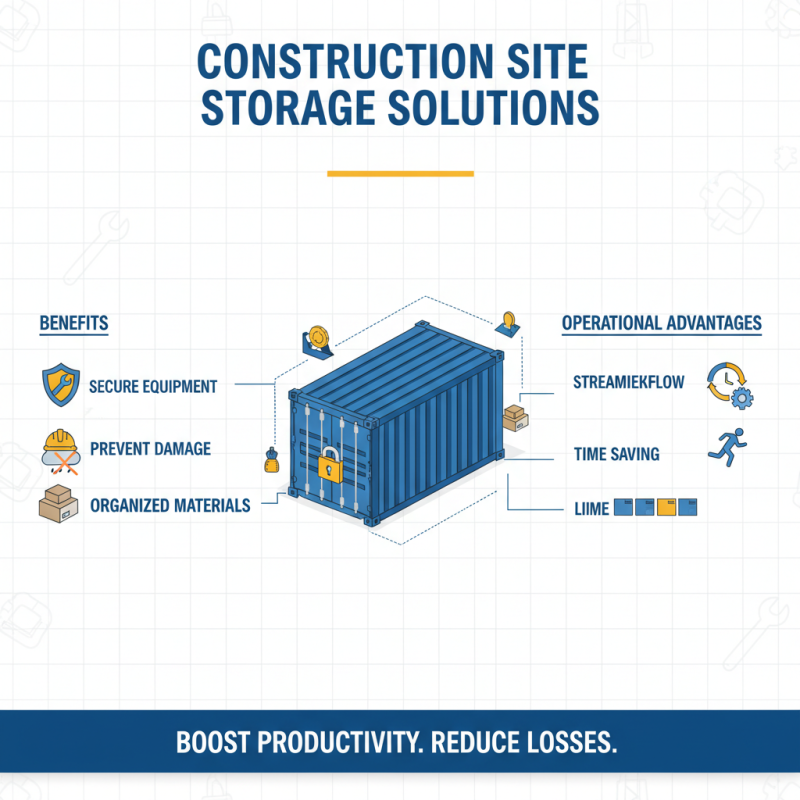
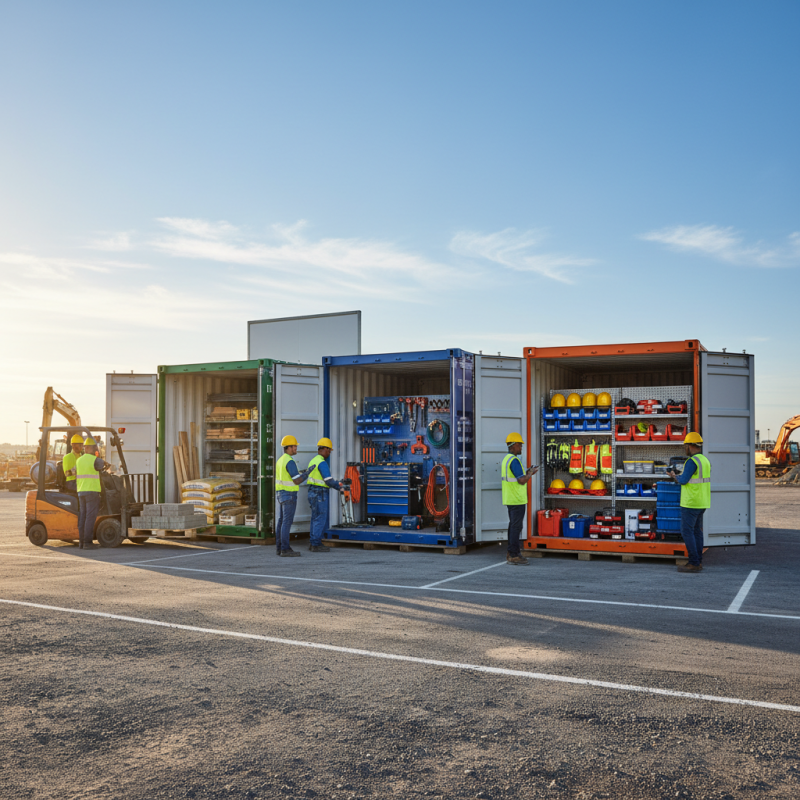
Storage containers play a crucial role in construction projects. They provide a secure space for tools and materials. This reduces the risk of theft and damage. When placed strategically on-site, they can streamline workflows. With everything in one place, workers save time looking for equipment.
Effective use of these containers ensures efficiency and organization. Regularly check the contents to avoid clutter. Over time, unused items can build up. Consider labeling containers clearly. This simple step can significantly improve accessibility. Ideal placement is essential. Consider traffic flow and minimize disruptions to ongoing work.
However, there can be challenges. Containers need maintenance to stay functional. Rust and wear can occur. Think about the location—placing them on uneven ground can lead to access issues. Reflect on your storage strategy and adjust as necessary. A little planning goes a long way in ensuring smooth operations.
Benefits of Using Construction Site Storage Containers for Site Management
Construction site storage containers play a crucial role in site management. They offer a secure way to store tools, materials, and equipment. According to a report by the Construction Industry Institute, effective organization can improve productivity by up to 25%. This is vital in a field where every minute counts.
When using storage containers, it's important to ensure proper inventory management. Without a clear system, valuable items may go missing. In fact, research indicates that 80% of construction delays can be traced back to poor resource management. A well-organized container saves time and stress. Workers can quickly locate what they need without wasting precious time.
Accessing containers can sometimes be a challenge. It’s essential to designate a specific area for each container, keeping paths clear. Survey data shows that 70% of construction site accidents occur in poorly managed spaces. Regularly checking the containers for safety compliance is equally important. While containers provide protection, if left unchecked, they can become cluttered and hazardous. This is a reminder for project managers to revisit and refine their storage strategies continuously.
Safety Considerations for Storing Hazardous Materials in Containers
When storing hazardous materials in construction site storage containers, safety is paramount. Proper labeling is crucial. Every container holding dangerous substances needs clear, visible markings. This helps workers identify risks quickly. Ensure that all safety data sheets are accessible nearby. It’s a simple step that can save lives.
Ventilation is often overlooked. Containers can trap harmful fumes. Regular checks for any leaks or spills should be routine. Over time, these inspections can become mundane, but they’re essential. If you notice any unusual odors or changes, address them immediately. Ignoring these signs can lead to serious consequences.
Remember to educate your team about the importance of safety practices. Hold regular training sessions, but keep them engaging. Use real-life scenarios from your site. This can make the lessons more relatable. Discuss past mistakes openly to encourage learning. A culture of safety is built on communication and awareness.
Cost-Effectiveness of Renting vs. Purchasing Construction Storage Containers
When considering construction storage containers, the choice between renting and purchasing is crucial. Renting offers flexibility. It allows for short-term projects without long-term commitment. For instance, a project lasting only a few months could benefit from renting. This option can save on upfront costs. It also reduces maintenance worries.
On the other hand, purchasing may make sense for long-term use. If a company frequently undertakes projects, owning containers can be more cost-effective over time. However, upfront expenses can be significant. One must assess storage needs carefully. A container sitting unused is an expense with little return.
Each option has downsides. Renting may lead to higher costs if used frequently. Purchasing requires initial investment and management of the asset. Companies must analyze their specific needs before deciding. Making a hasty choice can lead to unforeseen consequences later. Balancing budget, project duration, and needs is key to making the right decision.
Cost-Effectiveness of Renting vs. Purchasing Construction Storage Containers