10 Essential Tips for Choosing the Best Construction Waste Bin
Choosing the right construction waste bin is crucial for any project. According to John Smith, a leading expert in waste management, “Selecting the right bin can streamline your operation.” This highlights the importance of thoughtful selection.
A construction waste bin is not just a container; it reflects your responsibility towards the environment. Many overlook factors like size, weight capacity, and material type. A poorly chosen bin can lead to delays and extra costs.
Consider also the location and accessibility. A bin placed far from the worksite can slow down progress. It's easy to underestimate these details. Each decision impacts efficiency and sustainability. Take the time to reflect on your choices. They can define the success of your project.
Understanding Different Types of Construction Waste Bins Available
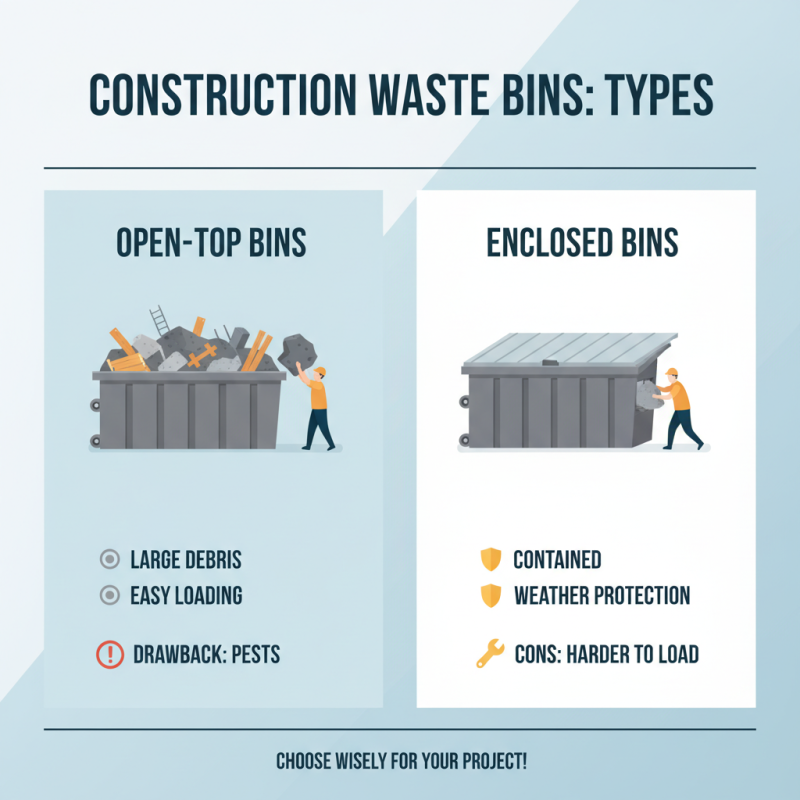
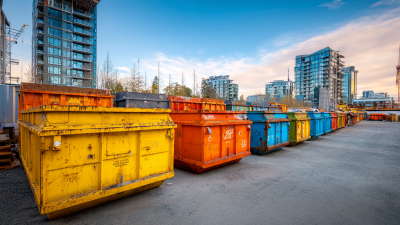
When selecting a construction waste bin, understanding the types available is crucial. There are primarily two categories: open-top and enclosed bins. Open-top bins are ideal for large debris. They allow easy access for loading. However, they come with a drawback: exposed contents can attract pests. Enclosed bins provide a more contained option. They protect materials from the elements but may require more effort to load.
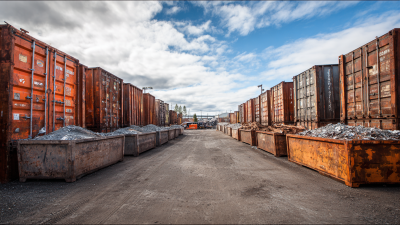
Different bins cater to specific needs. For instance, roll-off bins can handle significant amounts of waste. They are excellent for major projects. In contrast, smaller bins serve well for renovations. Choosing the right size is essential. Too small a bin leads to overflow, while too large may waste space. Consider your waste type, too. Mixed debris, such as wood and metal, may need separate bins for easier recycling.
You should also reflect on your project timeline. If a bin is needed for an extended period, rental terms matter. Some companies offer flexible arrangements, while others may have strict conditions. Awareness of these factors may prevent frustrations. Selecting the right waste bin is simple yet requires careful thought. Not addressing these details can complicate your project.
Evaluating Size and Capacity Requirements for Your Project
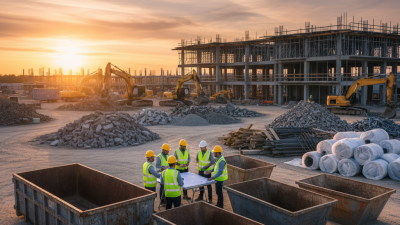
When planning a construction project, selecting the right waste bin is crucial. Evaluating the size and capacity is your first step. Consider the scope of your project. Will it be small, medium, or large? Knowing this helps determine what size bin you'll need. A small renovation might only require a mini bin, while a big construction project could need a larger dumpster.
Think about the type of materials you'll be disposing of. Heavy debris like concrete or bricks needs a sturdy bin with a higher capacity. If you're dealing with lighter materials, a standard-capacity bin might suffice. Be mindful of overloading, as this can lead to extra fees.
It’s essential to assess how long you'll need the bin. A project that drags on may require more frequent pickups. Calculate your expected debris volume to avoid delays. Sometimes, you might underestimate the waste generated, leading to last-minute changes. It’s better to err on the side of caution. Always leave room for unexpected waste.
Assessing Material Compatibility for Effective Waste Disposal
When selecting a construction waste bin, assessing material compatibility is critical. Different materials require specific handling. For instance, wood, metals, and plastics each have unique properties. Misplacing materials can lead to complications in disposal. A mixed bin could result in higher costs.
Consider the weight of certain materials. Heavy items like concrete should not mix with lighter waste. They can crush other materials, making separation challenging. Also, take note of hazardous materials. These need special bins to prevent contamination. Ignoring this could expose workers to risks.
You might think a bin is a simple choice, but it’s not always clear. A common mistake is underestimating the total volume of waste. Improper estimates lead to overflow or unnecessary trips. Reflect on the types and amounts of materials you generate. Getting it right enhances efficiency and safety in waste management.
Considering Rental Costs and Budget Constraints
When selecting a construction waste bin, rental costs can be a pivotal factor. It’s essential to determine your budget before making any commitments. Many companies offer varying rates based on bin size and rental duration. Investigating local prices is crucial. A small bin may seem cheaper, but it can lead to extra trips. This can add up quickly and create unexpected expenses.
Consider how long you will need the bin. Some services charge daily, while others offer weekly or monthly rates. Longer rentals could save money over time. However, you might find that the bin sits unused for days. Analyze your project timeline carefully. Additionally, be cautious of hidden fees. Charges for overfilling or late returns can inflate the overall cost. Asking about these fees upfront can prevent financial surprises later.
Budgeting isn’t just about the initial cost. Think about disposal fees too. Some companies include these in the rental price. Others may charge extra. A clear understanding of all costs involved will prevent a budget blowout. Remember to revise your plan if necessary. Balancing quality service with budget constraints can be tricky but worthwhile.
Ensuring Compliance with Local Regulations and Environmental Standards
When selecting a construction waste bin, compliance with local regulations is crucial. In the U.S., the Environmental Protection Agency reports that construction debris accounts for about 22% of all solid waste. Choosing the right bin means understanding local mandates regarding waste segregation. Many municipalities require specific sorting of materials to promote recycling. Non-compliance can lead to fines, waste disposal delays, and damage to project timelines.
Environmental standards also play a significant role in waste management. According to a 2021 report by the World Green Building Council, adopting green waste disposal practices can reduce project carbon emissions by up to 50%. Not all bins are created equal; some are designed to handle specific materials that are easier to recycle. It's essential to choose a bin that aligns with these standards. Questions arise here: Are you even aware of what materials can be recycled?
Improper disposal practices can lead to serious environmental harm. Poor choices in bin selection may lead to hazardous materials mixing with recyclables, complicating the entire process. Reflecting on these factors can aid in making more informed decisions. Are the bins you consider really the best choice for compliance and environmental responsibility? These considerations deserve your attention.