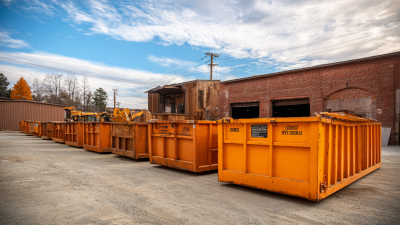
Top 10 Construction Waste Dumpster Tips for Effective Waste Management
Managing construction waste effectively is a critical aspect of any building project, ensuring sustainability and compliance with environmental regulations. The use of a construction waste dumpster plays a pivotal role in streamlining the disposal process, allowing contractors and builders to maintain a clean and organized worksite. With the construction industry generating significant amounts of debris, from old materials to packaging waste, implementing best practices for using a construction waste dumpster can lead to more efficient operations and cost savings.
In this guide, we will explore the top ten tips for effective waste management using construction waste dumpsters. These strategies are designed to help you maximize space, reduce clutter, and promote recycling and proper disposal of materials. By following these recommendations, construction teams can optimize their waste disposal methods, minimize environmental impact, and adhere to local regulations, all while maintaining productivity and safety on the job site. Whether you are a seasoned contractor or new to the industry, understanding how to utilize a construction waste dumpster efficiently is essential for the success of your project.
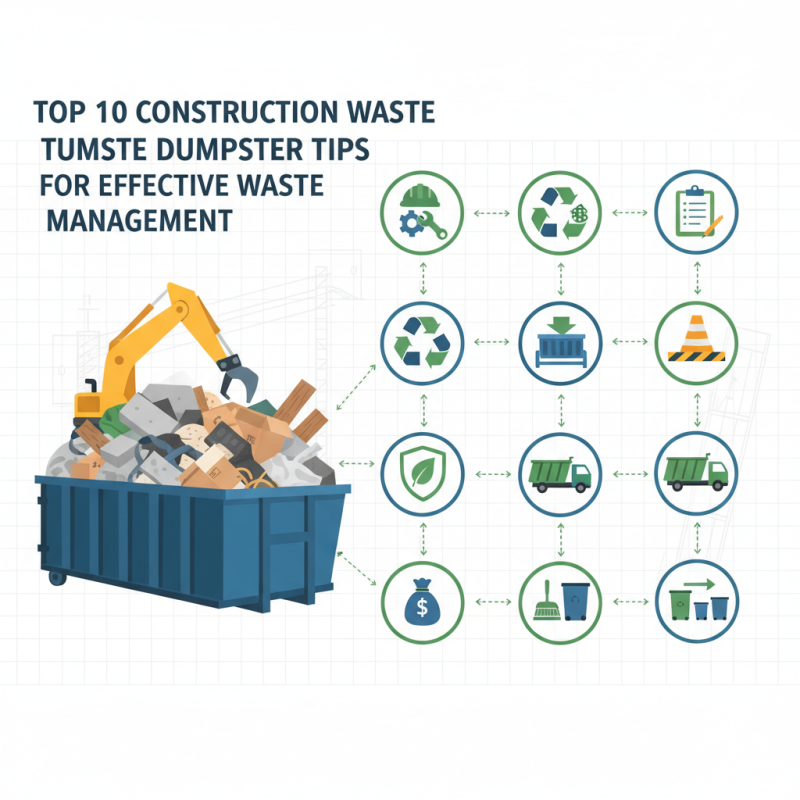
Understanding the Importance of Construction Waste Management
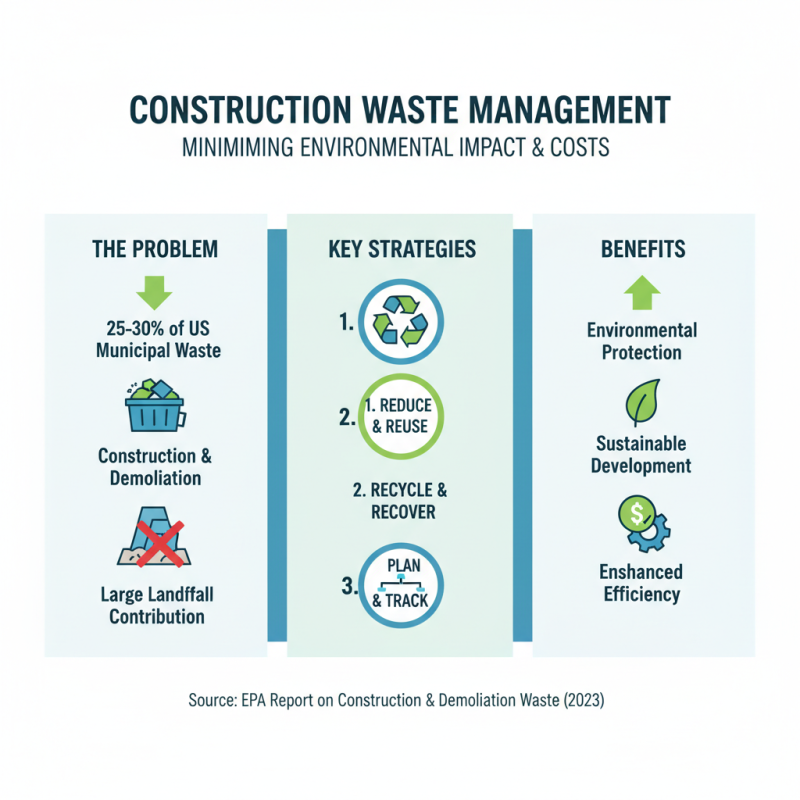
Effective construction waste management is crucial for minimizing environmental impact and promoting sustainable development. According to a report by the Environmental Protection Agency, construction and demolition activities account for approximately 25-30% of total municipal solid waste in the United States. This substantial figure underscores the need for robust waste management strategies to streamline operations and reduce landfill contributions. Effective management not only serves the environment but also enhances project efficiency and can lead to significant cost savings.
One of the vital tips for effective construction waste management is to conduct a thorough waste audit prior to commencing a project. Understanding the types and quantities of waste generated can help in creating a tailored waste management plan that aligns with specific project requirements. By categorizing materials such as concrete, wood, metals, and plastics, construction teams can designate proper disposal or recycling methods, ultimately reducing costs and environmental footprints. Utilizing dedicated construction waste dumpsters allows for organized collection and easy access, facilitating timely disposal and recycling efforts.
Another essential tip involves fostering a culture of waste reduction among all project stakeholders. Engaging workers and subcontractors through training on waste management practices can significantly mitigate waste generation. For instance, educating the team on how to optimize material use and reusing scrap materials can prevent a large volume of waste before it is even produced. As per industry studies, projects that emphasize waste management training see a reduction of over 20% in total waste generated, showcasing the effectiveness of proactive engagement in improving construction waste management efforts.
Selecting the Right Size Dumpster for Your Project Needs
Selecting the right size dumpster is crucial for effective waste management during your construction project. It’s essential to assess the scope of your work before making a decision. If you underestimate your needs, you may find yourself making additional trips to the landfill, which can be both time-consuming and costly. Conversely, overestimating can lead to unnecessary expenses for unused space. Evaluate the volume of waste you anticipate generating, taking into account the types of materials involved.
When choosing a dumpster, consider the various sizes available that can cater to different project needs. For smaller residential renovations, a 10 to 15-yard dumpster may suffice, while larger commercial projects may require 30 yards or more. It's beneficial to consult with your waste management provider to understand their recommendations based on the specifics of your job.
One important tip is to factor in the weight of the materials you’ll be disposing of. Some dumpsters have weight limits, and exceeding those limits can incur additional fees. Another tip is to maximize space by breaking down materials whenever possible. By carefully planning your waste disposal, you can ensure a more efficient and cost-effective project completion.
Proper Sorting and Recycling of Construction Debris
Proper sorting and recycling of construction debris is essential not only for environmental sustainability but also for improving operational efficiency on job sites. According to the U.S. Environmental Protection Agency (EPA), construction and demolition (C&D) waste accounts for over 25% of the total waste generated in the United States, amounting to approximately 569 million tons in 2017. This staggering figure highlights the critical need for effective waste management strategies in the industry. By implementing systematic sorting of materials—such as wood, metal, concrete, and textiles—construction companies can significantly enhance recycling rates. The National Association of Home Builders (NAHB) reports that correctly sorted materials can achieve recycling rates of up to 80%, diverting valuable resources away from landfills.
Additionally, the financial benefits of effective waste management cannot be overlooked. A study by the Harvard Business Review found that companies adopting comprehensive recycling programs can reduce waste disposal costs by up to 50%. By prioritizing proper sorting and recycling, organizations not only minimize their environmental footprint but also unlock potential cost savings. Training employees on best practices in waste segregation is critical for creating a sustainable construction culture. Investing in easy-to-use sorting equipment and clearly labeled containers can facilitate the recycling process, ultimately leading to more efficient waste management practices and contributing to a greener construction industry.
Top 10 Construction Waste Types and Their Recycling Rates
Tips for Efficiently Filling Your Construction Waste Dumpster
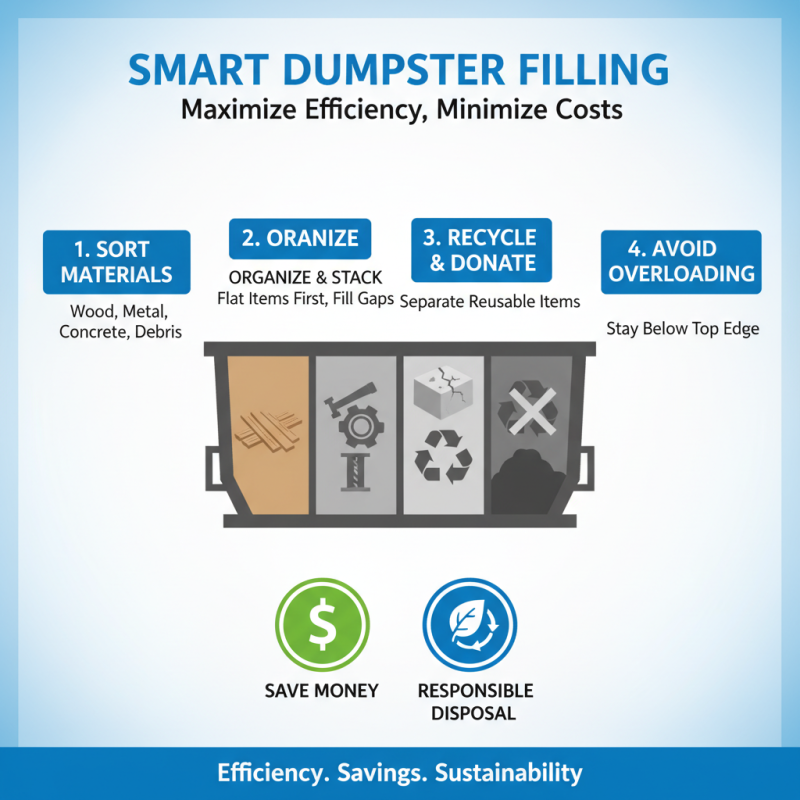
When filling your construction waste dumpster, organization is key to maximizing efficiency and minimizing costs. Start by assessing the types of materials you’ll be disposing of. By sorting items into categories such as wood, metal, concrete, and general debris, you can optimize the available space, ensuring that you fill the dumpster to its capacity without overloading it. This practice not only saves money but also promotes responsible disposal and recycling of materials whenever possible.
Another important tip is to fill the dumpster strategically. Begin by placing heavier items at the bottom, distributing the weight evenly across the dumpster. This approach helps maintain balance and stability while preventing damage to the container. Additionally, try to break down large items whenever feasible; this creates more space and allows for better packing. By taking the time to load the dumpster correctly, you ensure that you can fit as much waste as possible, reducing the number of trips needed and saving valuable time on your construction site.
Scheduling Dumpster Pick-Up and Avoiding Additional Fees
Scheduling dumpster pick-up is a critical aspect of effective waste management in construction projects, often overlooked yet essential for maintaining productivity and controlling costs. According to the National Waste & Recycling Association, timely pick-up not only helps prevent overflow and site clutter, which can pose safety hazards, but also minimizes the risk of incurring additional fees. Many waste management services charge for extended rental periods, and it’s reported that up to 20% of project budgets can be wasted on excess fees if pickups are not strategically scheduled.
Effective scheduling involves estimating the volume of waste generated and coordinating pickups to align with various stages of the construction process. A survey from the Construction Waste Management sector indicates that nearly 40% of project managers experience delays due to improper dumpster scheduling. By utilizing efficient waste tracking and estimation methods, managers can optimize their schedules. For instance, considering peak waste generation times, such as demolition phases or large material deliveries, can help ensure that dumpsters are emptied just in time, thereby avoiding costly rental extensions and keeping the worksite organized and safe.
Regular communication with waste management providers is also paramount. Establishing clear expectations and understanding the service's timelines can lead to fewer surprises and reduced operational hiccups. A streamlined approach to scheduling can lead to significant savings; industry data shows that improved waste management scheduling can cut total waste removal costs by up to 30%. This aspect of project management, often underestimated, proves that proactive measures in scheduling can yield both financial and operational efficiencies.
Top 10 Construction Waste Dumpster Tips for Effective Waste Management
| Tip Number | Tip | Benefits | Avoiding Fees |
|---|---|---|---|
| 1 | Choose the Right Size Dumpster | Maximize space and minimize costs. | Avoid overloading to prevent extra fees. |
| 2 | Schedule Pickup in Advance | Ensure timely disposal. | Prevent overflow and additional charges. |
| 3 | Know What You Can’t Discard | Avoid legal issues and fines. | Stay within allowed materials to reduce costs. |
| 4 | Sort Waste Properly | Enhance recycling options. | Avoid contamination fees. |
| 5 | Understand Rental Periods | Plan projects efficiently. | Avoid late fees by adhering to schedule. |
| 6 | Use a Loading Ramp | Easier loading of heavy items. | Minimize risk of extra fees due to damage. |
| 7 | Communicate with Your Provider | Clarify all terms and conditions. | Ensure transparent pricing and avoid surprises. |
| 8 | Fill to the Top, But Not Over | Optimize usage to save money. | Avoid overage fees by properly loading the dumpster. |
| 9 | Consider Alternative Disposal Methods | Potentially lower costs. | Mixing approaches can save money. |
| 10 | Stay Informed on Local Regulations | Ensure compliance. | Avoid fines and extra charges due to regulations. |
Related Posts
-
Understanding the Factors Influencing the Cost of Construction Dumpsters for Your Next Project
-
Maximize Your Project Efficiency with Affordable Construction Waste Bin Rental Solutions
-
10 Essential Tips for Maximizing Value in Your Construction Bin Rental Experience
-
2025 Top Jobsite Dumpsters for Construction Waste Management Trends and Insights
-
10 Best Construction Waste Bins for Effective Debris Management
-
Top 10 Tips for Choosing the Best Construction Site Dumpster Rental