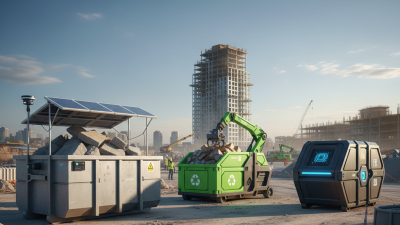
What Are Construction Containers Used For?

Construction Containers: Practical Spaces Behind Modern Building Sites

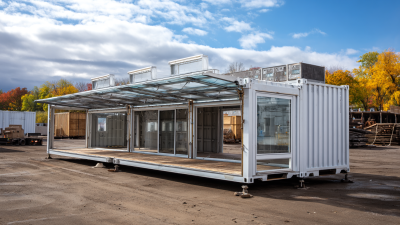
Construction containers are more than steel boxes placed beside a project fence. They create secure, movable spaces for workers, tools, documents, and daily site operations. A standard unit can become a site office, changing room, storage room, meeting area, or temporary workshop. Some projects also use modified containers as welfare units, with lighting, insulation, ventilation, and basic plumbing.

Architect Adam Kalkin, known for exploring container-based construction, described the shipping container as “a building block.” That simple phrase explains its appeal. Construction containers arrive in a strong rectangular shell, often measuring about 20 or 40 feet long. Their steel walls handle demanding transport conditions. However, they are not automatically suitable for every construction environment. A poorly ventilated container can become extremely hot. Moisture may damage tools, paperwork, and electrical equipment. Small decisions matter.

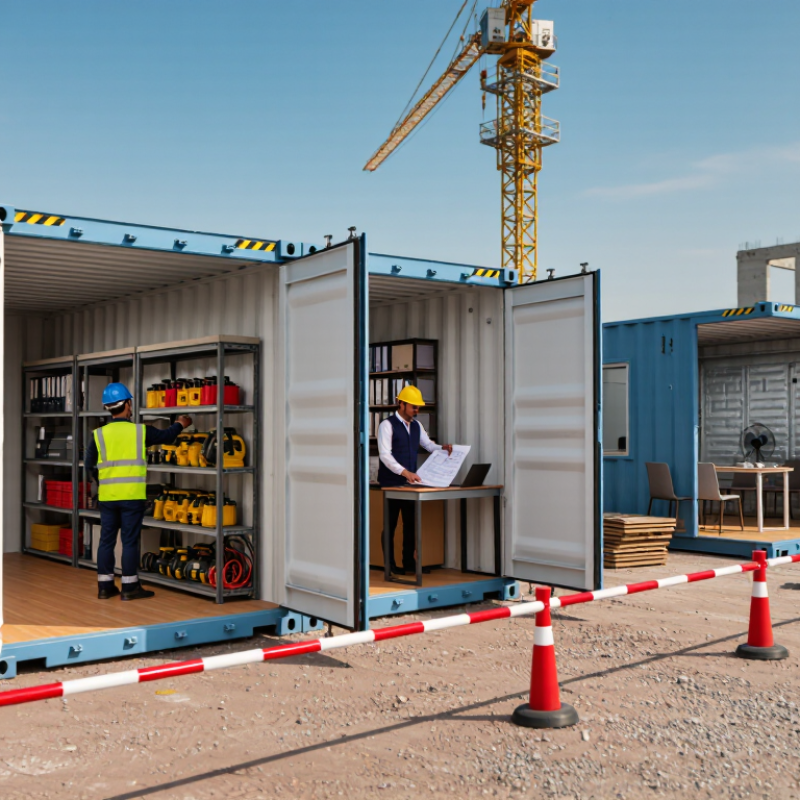
Walk through a busy site. You may see a supervisor reviewing drawings inside a quiet office while electricians collect labeled materials nearby. Elsewhere, a lockable container protects power tools from rain, dust, and accidental damage. These practical details improve organization and reduce unnecessary movement across the site.

Still, the container is not a perfect solution. Its size can restrict accessibility. Modifications may weaken the structure if handled carelessly. Fire safety, electrical installation, lifting procedures, and local building requirements also need professional review.

This guide examines what construction containers are used for, how they support safer workflows, and where their limits become visible. The answer is practical, but not effortless.
What Are Construction Containers Used For?

Definition and Main Types of Construction Containers

Construction containers are durable, movable units used to support daily work on building sites. They can store tools, protect materials, manage waste, or provide temporary workspaces. Their steel structure withstands rain, dust, and frequent handling. However, placement still matters. Poor access can make a useful container frustrating to use.

The main types include storage containers, office containers, welfare containers, and waste containers. Storage units keep cement bags, pipes, cables, and hand tools dry and organized. Office containers may include desks, lighting, power points, and space for site records. Welfare containers can provide changing areas, rest spaces, or washing facilities. Waste containers are designed for controlled collection and easier removal. Some projects also use refrigerated containers for temperature-sensitive materials. Their features vary, so specifications should match the site conditions and expected workload.

Tips: Measure the available ground before delivery. Check door clearance, ventilation, flooring, and drainage. Keep heavy items low and distribute weight evenly. Label zones inside the container, because rushed storage quickly becomes confusing. Do not place a container near unstable edges or blocked access routes. A weatherproof unit may still develop condensation. Regular inspection is necessary, even when the exterior looks sound. The simplest choice is not always the safest or most efficient one.

Common Uses on Construction Sites

What Are Construction Containers Used For?

On active construction sites, containers provide secure, movable space for daily operations. Crews use them to store hand tools, fasteners, protective equipment, and small replacement parts. A lockable unit keeps materials dry and reduces clutter around busy work zones. It can also serve as a compact site office for supervisors, engineers, and visiting inspectors. Desks, drawings, radios, and safety records fit inside when the layout is planned carefully.

Space disappears quickly.

Many projects use larger containers for material storage. They may hold cable, pipes, fixtures, packaged flooring, or weather-sensitive supplies. Shelving and labeled bins make stock checks faster, especially during early morning shifts. Some units become changing rooms, rest areas, or controlled spaces for equipment charging.

Ventilation, lighting, fire protection, and electrical installation should be assessed by qualified professionals. Local site rules and building requirements still apply.

A container is not automatically safe because it looks solid.

From my site observations, placement often matters more than size. A container near the delivery gate can shorten handling time, while one beside excavation work may create unnecessary risk. Operators should check ground stability, drainage, access routes, lifting clearances, and emergency paths before positioning it.

Regular inspections catch leaks, damaged locks, poor ventilation, and overloaded shelves. Real sites change quickly. A storage plan that worked last month may now obstruct vehicles or workers.

That uncomfortable detail deserves attention.

How Construction Containers Support Site Operations

What Are Construction Containers Used For?

Construction containers support daily site operations by giving materials, tools, and waste a controlled location. A lockable storage container can protect power tools, fasteners, and electrical components from rain and unauthorized access. Larger units can become temporary offices, changing rooms, first-aid spaces, or document stations. Positioned near the work zone, they reduce repeated trips across uneven ground. Small details matter. A clear access path saves time.

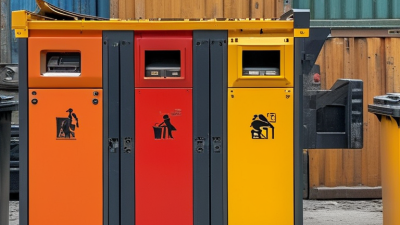
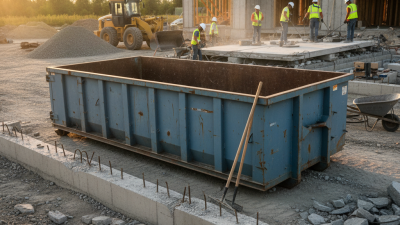
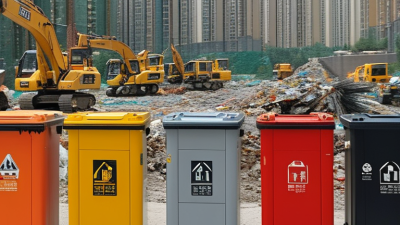
Waste containers also improve housekeeping and material flow. The U.S. Environmental Protection Agency reported approximately 600 million tons of construction and demolition debris generated in 2018. Separate containers can help crews sort concrete, timber, metal, and mixed waste before collection. This supports cleaner work areas and more accurate waste tracking. It does not solve every problem. Poor labeling still creates contamination.

Safety planning should guide container placement. The U.S. Bureau of Labor Statistics recorded 1,032 fatal work injuries in construction and extraction occupations in 2023. Containers cannot remove every hazard, but they can support better control. Supervisors should keep them away from lifting paths, emergency exits, and unstable edges. Daily checks should confirm doors, floors, lighting, and fire equipment remain usable. An undersized container may overflow quickly, while an oversized one can waste valuable space and handling time. Site conditions change, so the original layout deserves regular review.

What Are Construction Containers Used For? – How Construction Containers Support Site Operations
Container Use Primary Site Function Typical Contents or Features Common Size Range Operational Benefit Key Planning Consideration
Material Storage Protects tools, equipment, fixtures, and packaged construction materials from weather and unauthorized access. Lockable doors, shelving, pallets, racks, and moisture-control measures. 10–40 ft container length Reduces material loss, improves inventory organization, and keeps work areas less congested. Place on stable, level ground with sufficient clearance for delivery and door operation.
Tool and Equipment Storage Provides a dedicated location for hand tools, power tools, small machinery, and maintenance supplies. Locking systems, internal lighting, tool cabinets, charging stations, and ventilation. 10–20 ft container length Supports faster tool issue and return procedures while lowering the risk of damage or theft. Separate fuel, chemicals, batteries, and other hazardous materials according to applicable safety requirements.
Temporary Site Offices Creates workspace for project managers, supervisors, estimators, and administrative staff. Insulation, windows, electrical outlets, lighting, heating or cooling, desks, and data connectivity. 20–40 ft container length Keeps coordination, documentation, and daily decision-making close to active work zones. Verify local requirements for occupancy, fire safety, accessibility, power, and emergency exits.
Worker Welfare Facilities Supports worker welfare through temporary break rooms, changing areas, drying rooms, or sanitary facilities. Seating, lockers, sinks, water supply, drainage, ventilation, heating, and cooling. 20–40 ft container length Improves site welfare, cleanliness, and compliance with workplace facility requirements. Plan utility connections, cleaning routines, ventilation, and adequate separation from hazardous operations.
Waste and Recycling Collection Collects construction waste and recyclable materials before scheduled removal from the site. Open or modified access, labeled compartments, spill protection, and loading clearance. 10–40 ft container length Helps maintain orderly work areas and supports waste segregation and recycling targets. Keep waste streams separated and follow local rules for hazardous, liquid, or contaminated materials.
Hazardous Material Storage Provides controlled storage for paints, solvents, fuels, oils, and other regulated substances. Fire-resistant construction, spill containment, ventilation, warning labels, and controlled access. Specialized units; commonly 10–20 ft Reduces exposure, spills, fire risk, and uncontrolled access to regulated substances. Use only units designed for the materials stored and follow safety data sheets and applicable regulations.
Secure Document and Drawing Storage Stores plans, permits, inspection records, contracts, and other project documentation near the work site. Lockable filing cabinets, shelving, document racks, lighting, and controlled environmental conditions. 10–20 ft container length Improves document availability and helps protect records from weather and unauthorized access. Maintain document version control and protect sensitive records from moisture and excessive heat.
Temporary Workshop Provides enclosed space for assembly, fabrication, repairs, and preparation of components. Workbenches, electrical supply, task lighting, ventilation, storage racks, and fire protection. 20–40 ft container length Moves suitable preparation work away from crowded areas and can improve productivity and quality control. Assess structural loading, electrical capacity, ventilation, noise, hot-work controls, and fire prevention.
Temporary Power and Utility Housing Houses selected temporary electrical, communications, pumping, or site-service equipment. Distribution equipment, control panels, pumps, cables, monitoring devices, and protective barriers. 10–40 ft container length Centralizes temporary services and protects equipment from weather and accidental contact. Installation should be designed, inspected, and maintained by competent professionals in accordance with local codes.
Site Logistics and Inventory Control Acts as a controlled issue point for frequently used materials and consumables. Barcode or manual inventory records, labeled shelving, secure access, and replenishment areas. 10–20 ft container length Improves stock visibility, reduces unnecessary purchases, and supports predictable material flow. Assign responsibility for access, stock checks, housekeeping, and end-of-shift security.

Safety, Security, and Environmental Considerations

What Are Construction Containers Used For?

Construction containers support material storage, waste collection, temporary offices, and secure tool control. Their value depends on careful placement and daily management. A container near a lifting zone can become a collision hazard. Poor ventilation can also trap fumes, heat, or dust.

Safety requires level ground, visible warning signs, adequate lighting, and unobstructed emergency access. The U.S. Bureau of Labor Statistics recorded 1,075 fatal work injuries in construction during 2023. Containers cannot prevent every incident, but they can reduce clutter and improve controlled access. Locks, inventory checks, and restricted keys protect equipment. Still, a locked door is not a complete security plan. Rushed deliveries, damaged hinges, and forgotten access codes create practical weaknesses.

Environmental planning matters just as much. The U.S. Environmental Protection Agency estimated 600 million tons of construction and demolition debris in 2018. Separate containers for concrete, timber, metals, and general waste can improve recovery and reduce contamination. Yet separation sometimes fails when labels are unclear or workers lack time. Container locations should avoid drains, unstable slopes, and sensitive soil. Spill kits belong nearby, not inside a distant site office.

Tips: Inspect doors, floors, locks, and lifting points each day. Keep containers away from overhead hazards and fire routes. Use clear labels with pictures. Record waste weights and collection dates. Review the layout after heavy rain, major deliveries, or changes in site traffic.

Selecting the Right Container for a Construction Project

Selecting the right container starts with the work, not the available space. Construction containers can store tools, materials, protective equipment, and removable site fixtures. Some projects also use modified units as offices, workshops, or secure document rooms. On a busy site, a poorly chosen container creates daily delays. Workers may spend ten minutes searching for one fitting.

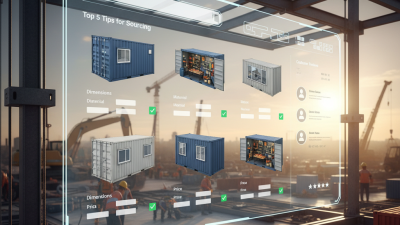
Measure the largest items before ordering. Check door width, internal height, floor strength, and loading access. A compact unit may suit hand tools and boxed supplies. Larger equipment needs wider doors and stronger flooring. Think about delivery too. A crane or truck may need clear ground and overhead space. Uneven soil can make placement unsafe, even when the container looks stable. Site managers should also assess ventilation, lighting, insulation, and weather exposure. Damp conditions can damage timber, electrical parts, and paper records.

Security depends on both the container and its location. Place valuable tools away from public access, and use suitable locks, lighting, and inventory checks. Containers holding flammable materials need careful separation and approved storage procedures. Local safety requirements still apply. A larger container is not always better. It can waste space and increase handling time. That lesson is easy to ignore. Review the plan after the first week. If workers constantly move around stored items, the layout or container size probably needs adjustment.

What Are Construction Containers Used For? Selecting the Right Container for a Construction Project

Container size is commonly selected according to the amount and type of material that must be stored on site. The figures below show approximate internal volume for widely used ISO container formats.

How to choose: A 20-foot container is suitable for tools, packaged materials, and smaller sites. A 40-foot standard container provides roughly twice the storage volume, while a 40-foot high-cube container adds extra vertical clearance for bulky equipment, insulation, formwork, and materials stored on pallets.