How to Choose the Right Construction Trash Bin Rental for Your Project?
Choosing the right construction trash bin rental can be crucial for your project's success. It’s not just about the size; it involves understanding your unique waste disposal needs. Having the correct bin can prevent delays and additional costs.
Consider the specifics of your project. Will you be demolishing or renovating? Are there heavy materials involved? Your answers will guide your selection. Many overlook weight limits and type restrictions, which can lead to complications.
Additionally, think about the duration of your rental. A short-term job might require a different approach than a long-term project. Knowing your timeline can save you time and money. Not paying attention to these details can create problems later on. It's essential to reflect on your choices. The right construction trash bin rental can streamline your project and keep your site organized.
Understanding Different Types of Construction Trash Bins Available for Rent
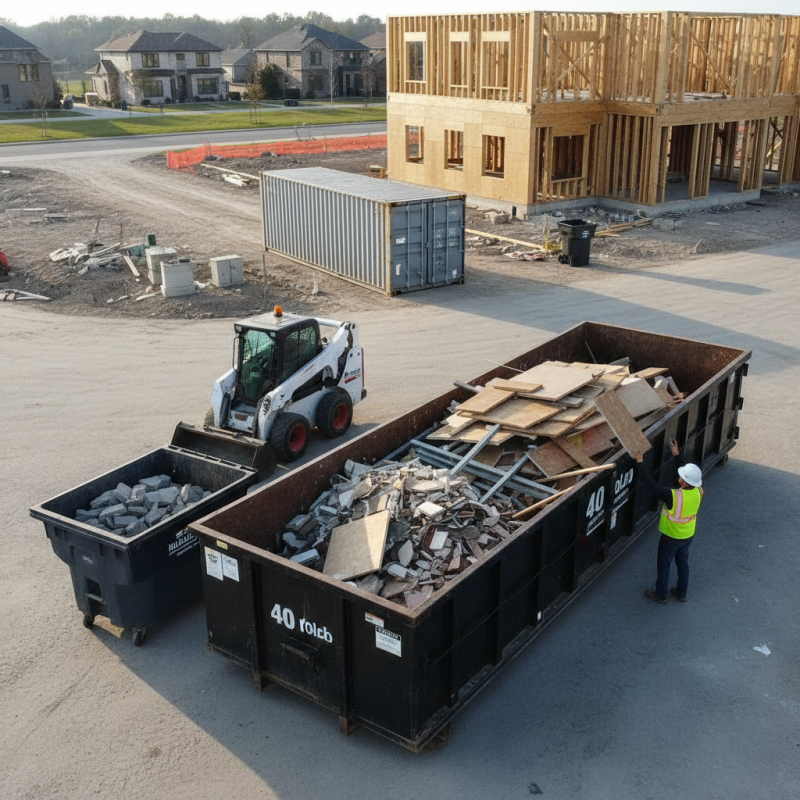
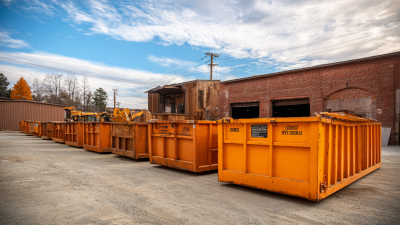
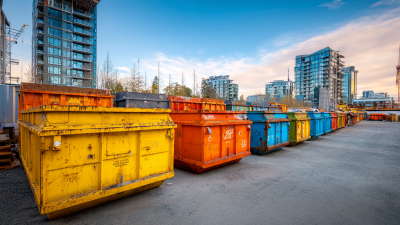
When selecting a construction trash bin rental, it's crucial to understand the types available. Most rental companies offer various bins suited for different project sizes and waste types. Common options include small 10-yard bins, mid-sized 20-yard, and large 30- or 40-yard containers. Each size serves its purpose. Typically, a 10-yard bin is ideal for minor renovations, while larger bins handle bigger projects like commercial building demolition.
It's essential to match the bin size with your project's waste volume. Interestingly, data from industry reports suggest that approximately 40% of construction waste is recyclable. However, many contractors still choose larger bins out of caution, which can lead to unnecessary costs. Small bins may suffice, yet larger rentals are often more readily available, causing delays.
Moreover, some may overlook the importance of weight limits. Exceeding these can attract extra fees. For instance, a 20-yard bin may hold up to 4 tons, but not all waste weighs the same. Heavy materials like concrete and bricks quickly add up. It's advisable to calculate expected waste carefully before choosing. Each project is unique, and a hasty decision can result in wasted resources.
Assessing Your Project Size and Waste Volume Requirements
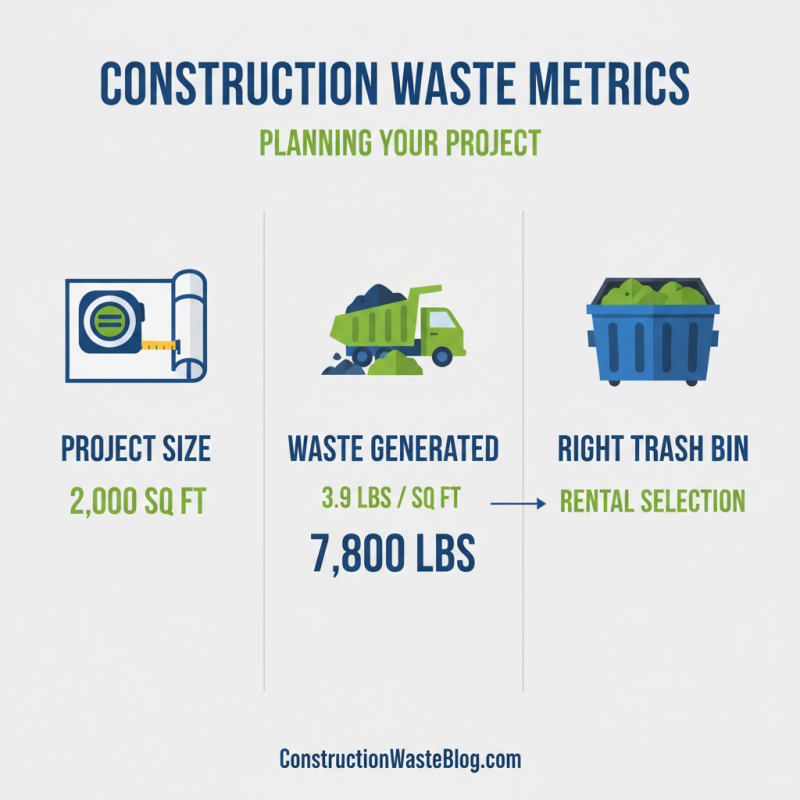
When planning a construction project, assessing your project size is crucial. The size will determine the volume of waste generated. On average, construction sites produce about 3.9 pounds of waste per square foot. For a 2,000-square-foot project, this could mean around 7,800 pounds of waste. Understanding these metrics will help you select the right trash bin rental.
Different projects create different waste types. Residential renovations might generate mixed debris, while large commercial builds often produce more concrete and metal. Knowing the waste type is important. According to the EPA, construction and demolition debris accounts for about 25% of the total waste stream in the U.S. Identifying your specific needs can help you avoid overpaying for an excessively large bin or running out of space.
Sometimes, projects expand unexpectedly. This can lead to underestimated waste volumes. If waste is not properly managed, it could disrupt your schedule. Late deliveries or overflowing bins could waste time and resources. It’s essential to plan for flexibility in rental agreements. This ensures you can adjust as project needs evolve.
Evaluating Rental Duration and Cost for Your Construction Needs
Choosing the right construction trash bin rental requires careful thought about rental duration and cost.
Evaluate your project's timeline before making a decision. If it’s a small renovation, a short rental period may suffice.
On the other hand, larger projects could need bins for weeks or months. Understanding the project scope helps in selecting the ideal duration.
Cost is another critical factor to consider. The rental fee often depends on the bin size and duration.
Smaller bins may seem cheaper, but they could require frequent pickups. This adds up quickly. Conversely, larger bins might cost more upfront, yet they may save you
money in the long run by reducing the number of trips needed. Lastly, reflect on your waste type. Some materials may incur extra charges.
These details may feel overwhelming. Balancing cost and practicality is essential for successful project completion.
Exploring Local Regulations and Permits for Construction Waste Disposal
When planning a construction project, understanding local regulations is crucial. Each area has specific rules regarding waste disposal. Familiarizing yourself with these can save you fines and complications. You might need permits to rent a trash bin, depending on the location. Not all neighborhoods welcome large containers in plain sight.
Many local regulations dictate which materials you can dispose of. For instance, hazardous materials often require special handling. This can lead to confusion if you’re mixing waste types. Take time to review guidelines from local authorities. This ensures proper disposal and minimizes risks. Ignoring these rules could lead to unexpected setbacks.
Make sure to check zoning laws as well. Not all areas permit dumpster placement on public streets. You might face limitations on bin sizes as well. It’s easy to overlook these details in the thick of project planning. Being thorough in your research can prevent delays and legal issues later on.
How to Choose the Right Construction Trash Bin Rental for Your Project?
| Waste Type |
Bin Size (Cubic Yards) |
Typical Weight Limit (lbs) |
Local Permit Requirement |
Estimated Rental Cost ($) |
| Construction Debris |
10 |
2000 |
Yes |
300 |
| Yard Waste |
15 |
2500 |
No |
350 |
| Mixed Waste |
20 |
4000 |
Yes |
450 |
| Concrete |
30 |
6000 |
Yes |
550 |
| Hazardous Waste |
Varies |
Varies |
Yes |
Contact for Quote |
Finding Reputable Rental Companies and Comparing Services and Pricing
When choosing a construction trash bin rental, researching reputable companies is vital. A recent industry report shows that 70% of customers prioritize customer service. Good communication leads to better experiences. It’s essential to read reviews and ask for recommendations from peers. Local companies often have a better understanding of specific waste management regulations.
Comparing services and pricing is equally important. Many rental companies offer different bin sizes. A 10-yard bin may suffice for small projects, while larger jobs could need a 40-yard bin. Pricing can vary significantly; some sources report that costs can range from $300 to $600 based on the size and duration of the rental. Always check what is included in the price. Hidden fees can add up, leading to an unplanned increase in your budget. Transparency in pricing is a good indicator of a reputable company.
It's easy to feel overwhelmed during this process. A 2023 survey highlighted that 58% of project managers found comparing options challenging. Take the time to reflect on your specific needs and budget. A well-thought-out decision can save time and money in the long run.