How to Choose the Right Construction Trash Containers for Your Project
When embarking on any construction project, one crucial aspect that often gets overlooked is the selection of the right construction trash containers. Efficient waste management is not just about keeping the site tidy; it's about ensuring that the project runs smoothly and safely. The choice of construction trash containers can significantly impact the workflow, cost, and environmental sustainability of your project.
In this guide, we will explore the essential factors to consider when selecting construction trash containers tailored to your specific needs. From understanding the volume of waste generated to analyzing the types of materials to be disposed of, making informed choices can help streamline operations and minimize unexpected delays. Additionally, we will address the importance of compliance with local regulations and the impact of proper waste disposal on the environment, emphasizing the responsibility of the construction industry to practice sustainability. Ultimately, choosing the right construction trash containers is a pivotal step toward the successful execution of any construction endeavor.

Types of Construction Trash Containers and Their Specific Uses
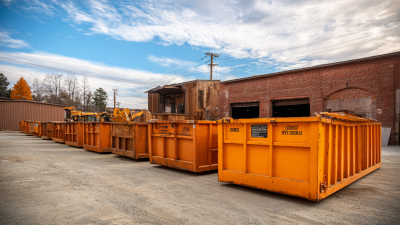
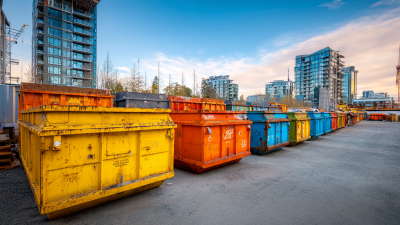
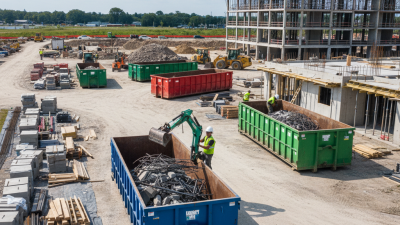
When selecting construction trash containers for a project, it is essential to understand the various types available and their specific uses. Roll-off dumpsters are among the most popular choices for construction sites due to their large capacity, typically ranging from 10 to 40 cubic yards. These containers are ideal for transporting bulky debris, such as wood, metal, and concrete, making them perfect for larger projects that generate significant waste.
Another option is front-loading containers, which are often used for ongoing waste management needs in multi-story buildings or longer-term construction projects. These containers are usually smaller, with capacities of 2 to 8 cubic yards, and are ideal for managing regular trash and recyclable materials. Their compact design allows for easy access and efficient disposal, making them suitable for smaller job sites where space is limited. Understanding the specific requirements of your project will ensure that you select the right type of container to efficiently manage waste and promote a safe work environment.
Factors to Consider When Selecting Construction Trash Containers
When selecting construction trash containers for your project, several critical factors come into play that can significantly impact efficiency and cost. First and foremost, understanding the volume of waste generated is essential. According to the Environmental Protection Agency (EPA), construction and demolition (C&D) activities account for approximately 40% of the total waste generated in the U.S., which translates to millions of tons of debris each year. Choosing containers that align with the estimated waste output ensures that you avoid overfilling and unnecessary additional trips to disposal sites, optimizing logistics and reducing costs.
Another important factor is the type of materials being disposed of. Different containers are designed to handle various types of waste, such as concrete, wood, or hazardous materials. For example, a study by the National Association of Home Builders indicates that improperly sorted waste can lead to increased disposal fees and delays in project timelines. Hence, selecting containers suited to your specific types of waste not only helps in staying compliant with local regulations but also improves recycling rates and minimizes landfill contributions. Additionally, the location of the job site and accessibility for waste removal vehicles should be considered to ensure timely and efficient waste management throughout the project lifecycle.
How to Choose the Right Construction Trash Containers for Your Project
| Factor |
Description |
Size Recommendation |
Best Use |
| Type of Waste |
Determines the container requirements based on whether the waste is general construction, hazardous, or organic. |
10-40 yards |
General construction and renovation projects. |
| Duration of Project |
Length of time the container will be needed impacts the choice and rental terms. |
Min 1 week |
Long-term projects such as building or large renovations. |
| Access and Location |
Consideration of how accessible the site is for delivery and pickup of containers. |
5-10 yards for tight spaces |
Urban projects or areas with limited access. |
| Local Regulations |
Different jurisdictions have varying rules regarding waste disposal, including permits. |
Check local laws |
Any project requiring compliance with regulations. |
| Budget |
Cost considerations including rental fees and disposal charges. |
Varies based on size |
Projects with strict budget limits. |
Industry Standards for Waste Disposal in Construction Projects
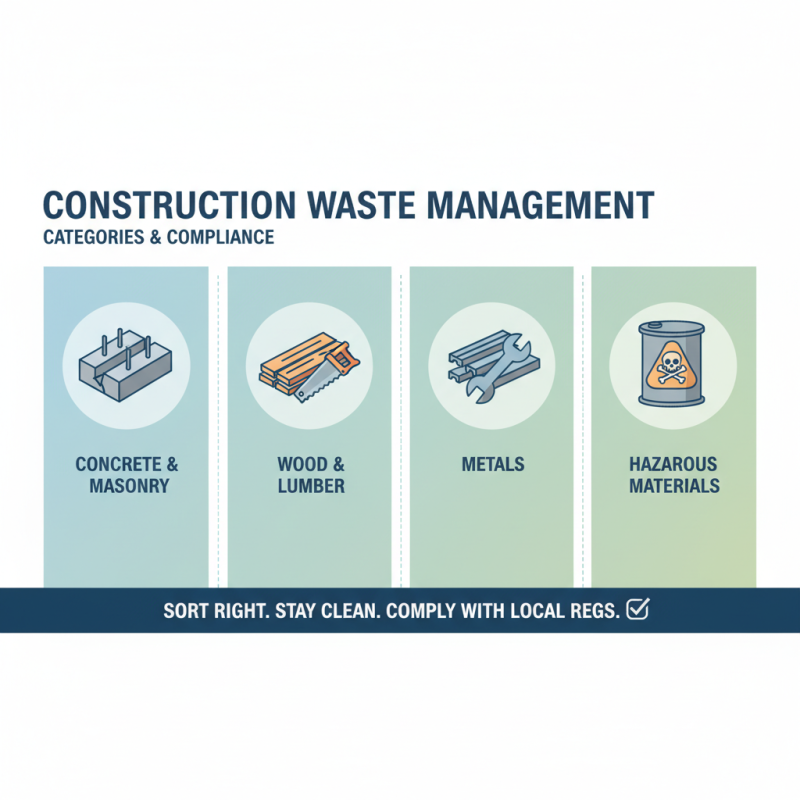
When embarking on a construction project, complying with industry standards for waste disposal is crucial. Proper waste management not only helps in maintaining a clean site but also ensures that the project adheres to local regulations. Typically, construction waste can be categorized into various types, including concrete, wood, metals, and hazardous materials. Understanding these categories is vital for selecting the right trash containers.
**Tips:** Assess the volume and type of waste your project will generate before choosing containers. A thorough assessment allows for better planning and helps avoid overfilled containers that can lead to safety hazards and delays.
Moreover, utilizing containers that meet industry standards can improve operational efficiency. Many construction sites benefit from different container sizes that correspond to the types of waste produced. For example, designated bins for recycling materials can help minimize landfill use and promote sustainable practices.
**Tips:** Always label containers clearly to ensure that workers know where to dispose of specific materials. This not only enhances safety but also encourages all team members to participate in maintaining compliance with waste management regulations.
Cost Analysis of Different Trash Container Options for Construction
When embarking on a construction project, selecting the appropriate trash container is essential not only for maintaining site cleanliness but also for managing costs effectively. Different options, such as roll-off containers, front-load containers, and compactors, each come with various pricing structures. According to a 2021 report from the National Waste and Recycling Association, roll-off containers typically range from $300 to $600 per week, depending on the container size and the volume of waste disposal required. This represents a significant upfront investment but is often justified by the convenience of high-capacity waste handling.
In contrast, front-load containers, which are ideal for ongoing projects with consistent waste generation, have a lower initial cost but may incur higher operational expenses over time. A study by Waste360 indicated that while front-load containers can cost as little as $100 monthly, the costs can increase with frequency of pickups and additional services. Compactors, while offering an efficient waste reduction option, average between $600 to $1,000 monthly, making them suitable for larger construction sites where space and waste volume require more rigorous management. Understanding these cost factors against project needs allows construction managers to make informed decisions that optimally balance cost and waste management efficiency.
Cost Analysis of Different Trash Container Options for Construction
Regulatory Compliance for Construction Waste Management Practices
Effective waste management is a crucial aspect of construction projects, not only for environmental sustainability but also for regulatory compliance. According to the Environmental Protection Agency (EPA), construction and demolition (C&D) activities account for nearly 25% of the total municipal solid waste generated in the United States. With increasing scrutiny from regulatory bodies, it is vital that construction companies adhere to local and national regulations regarding waste disposal. This includes understanding the types of materials that can be recycled or reused, which not only helps in compliance but can also lead to significant cost savings.
Regulatory frameworks often dictate specific requirements for waste management practices, including permits for waste disposal, sorting of recyclable materials, and proper labeling of disposal containers. For instance, the Federal Resource Conservation and Recovery Act (RCRA) lays the groundwork for proper waste management, compelling contractors to have a solid waste management plan. Failure to comply with these regulations can lead to hefty fines and disruptions in project timelines. It's imperative for construction professionals to stay informed about relevant local regulations and implement best practices to ensure their projects meet these guidelines. The construction industry is increasingly recognizing the importance of proactive waste management strategies, with studies indicating that compliant waste management can reduce total project costs by up to 10%.