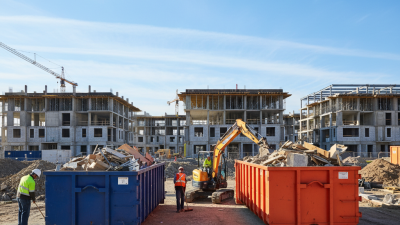
How to Choose the Right Construction Roll Off Dumpsters?
When embarking on a construction project, selecting the right construction roll off dumpsters is crucial. These containers are essential for managing waste efficiently. Whether you're renovating a home or working on a large commercial site, the choices can be overwhelming. Several factors must be considered to make the best decision.
For instance, the size of the dumpster can greatly impact your project timeline. A dumpster that's too small can cause delays in waste removal. Conversely, one that’s too large may not be cost-effective. It’s important to estimate the volume of waste accurately. The type of materials you're disposing of is also vital. Some dumpsters are designed specifically for certain types of debris. Understanding these factors can cut down on future frustrations.
Consider the location and accessibility for the dumpster as well. Some sites may have limited space, making certain dumpsters impractical. Lastly, reflecting on your budget will help narrow down your options. Choosing construction roll off dumpsters should not be rushed. Take the time to weigh your choices carefully for a successful project.
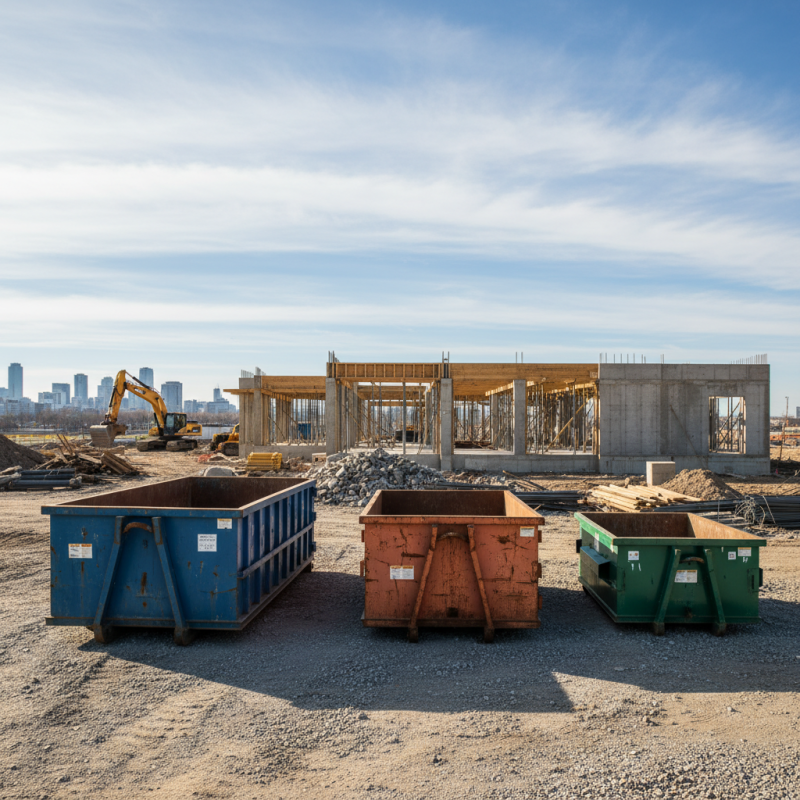
Understanding Roll Off Dumpsters and Their Uses
Roll off dumpsters are essential for efficient waste management in various construction projects. They are designed for easy loading and unloading, making them suitable for different types of materials. According to a report by the Waste Equipment Technology Association, the construction sector generates over 20% of total solid waste in the United States. This highlights the importance of understanding roll off dumpsters and their applications.
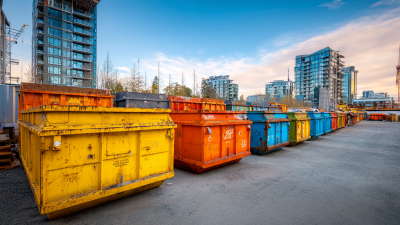
These dumpsters come in various sizes, typically ranging from 10 to 40 cubic yards. The choice depends on the project's scale and type of debris. For example, a small remodeling job might only require a 10-yard dumpster, while a larger commercial construction site may need a 30 or 40-yard unit. However, selecting the wrong size can lead to inefficiencies.
Too small, and you may have to schedule multiple pickups, wasting time and resources. Too large, and you’ll incur unnecessary costs.
In addition, understanding local regulations is crucial. Some areas have specific rules regarding weight limits and materials accepted. A study from the National Waste & Recycling Association found that non-compliance can lead to fines and project delays. Therefore, it’s vital to know your local guidelines before deciding on the right dumpster for your needs.
Evaluating Your Project Needs for Dumpsters
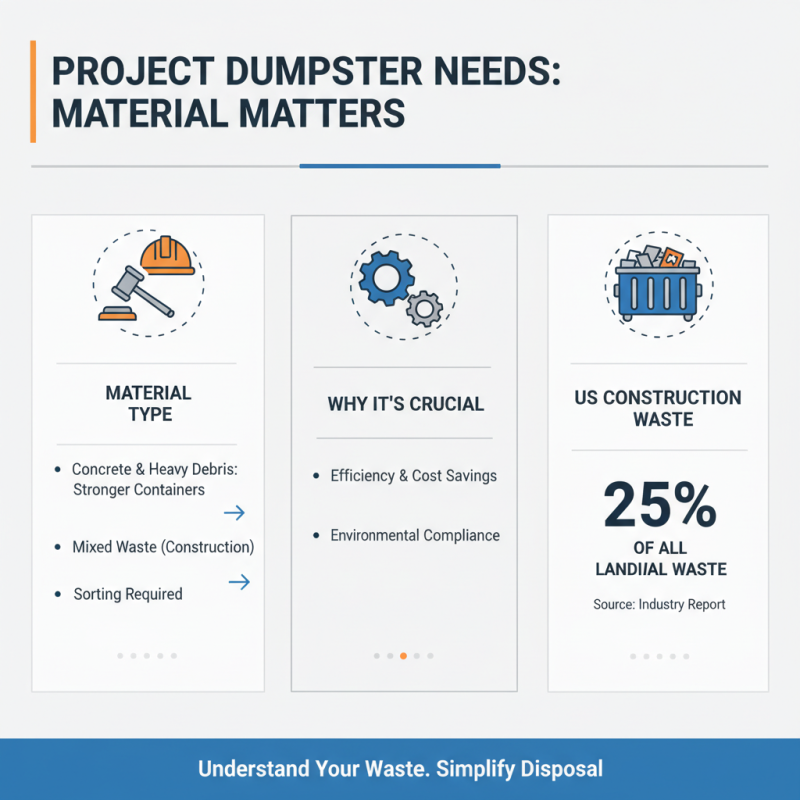
When evaluating your project needs for dumpsters, consider the type of materials you'll be disposing of. Different materials require different dumpster types. For instance, concrete and heavy debris demand stronger containers. A construction site often generates mixed waste, which might need sorting before disposal. In the U.S., around 25% of all landfill waste comes from construction projects, as per a recent industry report. Understanding your waste type is crucial for efficiency and compliance.
Tip: Always estimate the volume of waste accurately. If you're unsure, consulting with a professional can help. Underestimating can lead to additional costs and delays.
Additionally, it’s vital to think about the project duration. Short-term projects may not need large bins, while long-term job sites may require multiple pickups. Some companies waste time with improper planning. For example, having too few dumpsters can lead to overflowing, which is not only messy but also unsafe. According to industry standards, a standard construction dumpster holds about 10-40 cubic yards of waste.
Tip: Keep a record of past project waste for future reference. This can help you gauge your needs more accurately. A little foresight can prevent complications down the road.
Factors to Consider When Choosing a Roll Off Dumpster
When selecting a construction roll off dumpster, several key factors must be considered. The size of the dumpster is crucial. According to recent industry reports, approximately 40% of project delays occur due to improper waste management. If a dumpster is too small, it can lead to overflow and additional rental costs. Conversely, an oversized dumpster may result in wasted resources and higher charges. Finding the right size can significantly impact your project's budget and timeline.
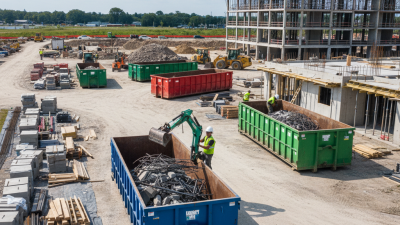
The type of waste you need to dispose of is another important factor. Different materials require different handling procedures. For instance, construction debris often includes heavy materials like concrete and steel, which may need a sturdier dumpster. A study from the National Waste & Recycling Association indicates that improper disposal could lead to fines or unsafe job sites. Understanding what types of debris you'll have will help determine the best dumpster for your needs.
Finally, consider the rental period. Many construction projects face unexpected delays. Therefore, it’s wise to have some flexibility in your rental agreement. Industry data shows that about 30% of dumpsters are returned early, yet projects frequently need extra time. Anticipating these needs can prevent last-minute scrambles and additional costs. Take the time to reflect on these factors before making a choice.
How to Choose the Right Construction Roll Off Dumpsters? - Factors to Consider When Choosing a Roll Off Dumpster
| Factor |
Description |
Recommended Size |
| Project Type |
Consider the type and scale of the project (residential, commercial, renovation). |
10-30 yards |
| Debris Type |
Different types of materials require different handling (e.g., concrete, yard waste). |
20 yards for mixed debris |
| Weight Limit |
Check the weight capacity of the dumpster to avoid overage fees. |
Typically 2-10 tons |
| Duration of Rental |
Consider how long you will need the dumpster on site. |
Weekly to monthly rentals |
| Location |
Evaluate the placement area for accessibility and space. |
Varies by site conditions |
| Regulations |
Understand local regulations regarding dumpster placement and permits. |
Check local laws |
Comparing Sizes and Capacities of Different Dumpsters
Choosing the right construction roll-off dumpster involves understanding the sizes and capacities available.
Dumpster sizes range from 10 to 40 cubic yards.
For small renovation projects, a 10 or 15 cubic yard dumpster is often sufficient.
These can hold up to 2 tons of debris, perfect for household junk.
However, larger jobs may require a 30 or 40 cubic yard dumpster, which can accommodate heavier construction waste.
The capacity also plays a crucial role. A 20 cubic yard dumpster can hold around 3 tons of debris.
For context, that translates to about 10 pickup truck loads.
Industry studies indicate that incorrect size selections can lead to project delays and additional costs.
If your chosen dumpster is too small, extra trips will be necessary.
Each trip adds time and expense.
It’s essential to consider the types of waste. For heavy materials, a specialized dumpster may be required.
Not all dumpsters manage heavy debris well. Each site presents unique challenges.
An oversized dumpster might overwhelm a small driveway. Conversely, a small dumpster may not meet a project’s demands.
Balancing size and capacity with specific project needs is vital.
Understanding these factors can help avoid common pitfalls in construction waste management.
Cost Considerations and Rental Options for Dumpsters
When choosing a construction roll off dumpster, cost considerations are vital. Renting a dumpster might seem straightforward, but multiple factors influence pricing. The size of the dumpster greatly affects rental costs. A smaller dumpster may only cost a few hundred dollars. In contrast, a larger unit can climb into the thousands. Consider the duration of your project too. Many companies charge extra for extended rentals.
Rental options also vary. Some companies offer flexible contracts, allowing you to rent a dumpster for a week or a month. Others have strict timelines. Don't overlook delivery and pickup fees; these can add to the total cost. It’s essential to clarify what’s included in your quote. Hidden fees can cause budget overruns and frustration later.
Moreover, weighing your specific needs against costs can be challenging. Are you certain about the volume of waste generated? Overestimating may lead to paying for unused space. However, underestimating could require a second dumpster. Such decisions impact overall expenses and project efficiency. Balancing these aspects is crucial for your project's success.