How to Choose the Right Construction Garbage Containers?
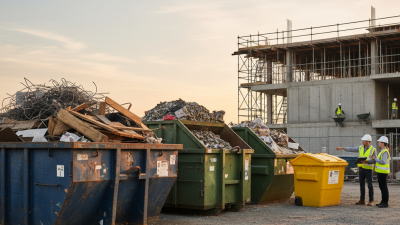
Choosing the right construction garbage containers is crucial for any building project. The proper containers ensure efficiency and compliance with local regulations. Construction sites generate significant waste, and managing this waste effectively is key to project success.
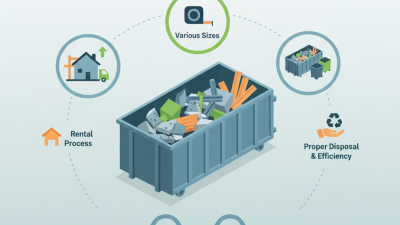
When selecting construction garbage containers, consider the size and type needed. Containers come in various sizes, ranging from small bins to large roll-off containers. Each size serves different purposes. A common mistake is underestimating the volume of waste. This can lead to delays and extra costs.
Also, think about accessibility. Ensuring that containers are easy to reach can save time and effort. However, don’t overlook the potential for overfilling. An overflowing container reflects poor planning and impacts the environment. An effective waste management strategy includes not just choosing the right containers but also monitoring them throughout the project. Working with reliable suppliers will enhance your project's credibility.

Understanding Different Types of Construction Garbage Containers
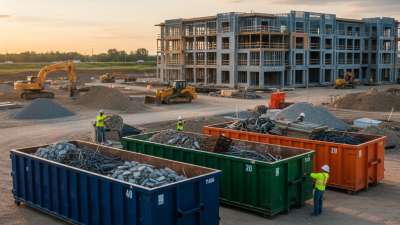
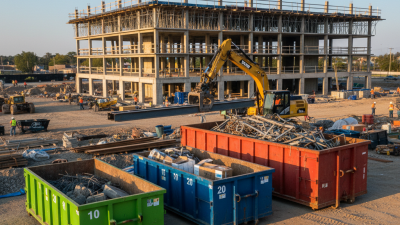
When selecting construction garbage containers, it is crucial to understand the various types available. Common options include roll-off containers, front-loading containers, and compactors. Each type serves different needs based on project size and waste volume. According to industry reports, roll-off containers are ideal for larger projects, holding up to 40 cubic yards of waste. Their open-top design makes it easy to dispose of bulky materials.
Front-loading containers, on the other hand, are more compact. They typically range from 2 to 8 cubic yards and are best for smaller construction sites. These containers provide a more manageable solution for daily waste removal. A study from the Environmental Protection Agency highlights that choosing the right container can improve waste disposal efficiency by 30%.
Compactors are another option, particularly effective for managing dense waste. They can reduce waste volume by up to 75%, making hauling easier. However, they may not be suitable for all materials. Mismanagement of container types can lead to wasted space and increased costs. Understanding the specifics of each type allows project managers to optimize waste disposal and adhere to local regulations more consistently. The specific project requirements should guide container choice.
Factors to Consider When Selecting Construction Garbage Containers
When selecting construction garbage containers, several factors come into play. The size of the container is crucial. It should accommodate the volume of debris generated on site. If the container is too small, it may lead to overflow. This can create additional costs and delays. Finding the right fit can prevent logistical headaches.
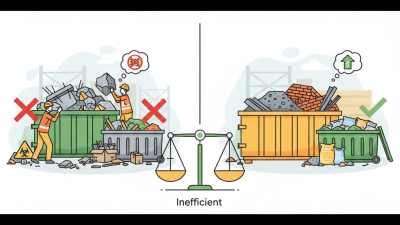
Another important consideration is the type of materials you'll be disposing of. Different containers handle various materials. For example, a container for metal scraps differs from one for hazardous waste. Misclassification can lead to serious issues. Attention to detail in this area will ensure compliance with disposal regulations. Using the correct container type can mitigate risks and save time.
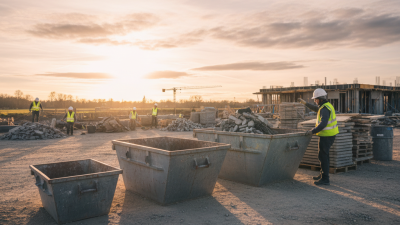
Finally, assess the placement of the containers on-site. Accessibility matters significantly for efficiency. If containers are placed too far from the work area, it can slow down your team's pace. Additionally, think about the duration you will need the containers. Short-term projects may require different solutions than long-term jobs. Being clear about these aspects shapes a smoother operation.
Assessing Container Sizes for Your Construction Project Needs
Selecting the right construction garbage containers is essential for managing waste efficiently. The size of the container can significantly impact your project's workflow. For instance, a standard 10-yard container typically holds about 10 cubic yards of debris. This size is ideal for smaller renovation projects or home cleanouts. In contrast, larger projects may require a 30-yard container, which can accommodate debris from significant demolitions or large-scale renovations.
When assessing container sizes, consider the volume of waste generated. According to industry reports, a small residential project may produce 1-2 tons of debris per 1,000 square feet. This figure can help determine the number of containers needed. For commercial projects, waste generation can rise to 4 tons per 1,000 square feet. Planning ahead can prevent delays in waste removal and keep the job site organized.
It’s wise to be aware of potential challenges. Underestimating container size can lead to overflow or increased disposal costs. Ensure you measure accurately and account for all types of waste, including dirt, concrete, and wood. Adjusting your estimates based on project progress can help manage requirements effectively. Building an accurate waste management plan requires foresight.
How to Choose the Right Construction Garbage Containers? - Assessing Container Sizes for Your Construction Project Needs
| Container Size |
Capacity (Cubic Yards) |
Best For |
Average Weight Limit (lbs) |
Estimated Rental Cost ($/week) |
| 10 Yard |
10 |
Small Renovations |
1,500 |
300 |
| 20 Yard |
20 |
Medium Renovations |
3,000 |
400 |
| 30 Yard |
30 |
Large Renovations or Commercial Projects |
4,000 |
500 |
| 40 Yard |
40 |
Construction and Demolition Projects |
6,000 |
600 |
Evaluating Rental vs. Purchase Options for Garbage Containers
Choosing between renting or purchasing construction garbage containers can be challenging. According to a report by the Waste Equipment Technology Association, rental options can save up to 30% for short-term projects. This approach eliminates maintenance and storage concerns, making it attractive for small contractors. However, if your project spans several months, purchasing may be more economical in the long run.
Managing waste effectively requires careful planning. In some scenarios, renting allows for greater flexibility. Providers often deliver containers right to your site, optimizing workflow. However, frequent rental may incur hidden fees, diminishing the initial savings. Thoroughly review contracts and clarify costs upfront.
Consider the nature of your project as well. If your waste consists mainly of heavy debris, a larger purchased container might be necessary. However, for lighter, diverse waste types, rentals provide the adaptability you may need. Think about the type of materials you'll dispose of. Certain materials may require specialized containers, impacting your choice. Review local regulations to avoid costly fines when disposing of restricted items.
Best Practices for Proper Waste Disposal in Construction Sites
Construction sites generate a significant amount of waste. According to the Environmental Protection Agency (EPA), construction and demolition debris comprises nearly 25-30% of the total municipal solid waste in the United States. Proper waste disposal is essential. Without it, sites can become hazardous. Health risks increase for workers and surrounding communities.
Selecting the appropriate garbage containers can impact disposal efficiency. Containers should be strategically placed to encourage proper use. Data from the Construction Industry Institute suggests that efficient waste management can reduce total project costs by up to 30%. This is often overlooked. Workers may resort to placing waste haphazardly if containers are not accessible.
Training workers on best practices is equally vital. Research shows that up to 50% of construction waste can be recycled. Yet, many sites fail to separate recyclable materials. Without training, this percentage could decrease. Creating a culture of accountability fosters better waste management practices. Continuous evaluation and adjustment are necessary to improve practices over time. Each site has unique challenges that need addressing.
Waste Type Distribution in Construction Sites
This chart illustrates the distribution of various types of waste generated at construction sites, measured in tons. Understanding the waste composition is essential for effective waste management and choosing the right containers for disposal.