How to Choose the Right Construction Garbage Bin for Your Project Needs
When embarking on a construction project, one of the essential yet often overlooked considerations is the selection of the appropriate construction garbage bin. A construction garbage bin plays a crucial role in maintaining a clean and safe work environment, facilitating waste management, and complying with local regulations. The right bin not only helps streamline the disposal process but also enhances overall site efficiency, making it vital for project management teams to make informed decisions.
Choosing the right construction garbage bin involves evaluating various factors including the type and volume of waste generated, project timeline, and site accessibility. Different projects produce different types of waste—ranging from heavy debris to hazardous materials—each requiring specific waste management solutions. By understanding these needs, project managers can select a bin that meets their capacity and material requirements, ultimately minimizing downtime and associated costs.
In conclusion, investing time in selecting the appropriate construction garbage bin is not merely a logistical task; it is a critical component that can significantly influence the project's success. Maintaining a well-organized waste management system fosters a safer environment for workers and contributes to the project's overall sustainability. Understanding the intricacies involved in this choice will not only enhance operational efficiency but also elevate the standard of construction practices.
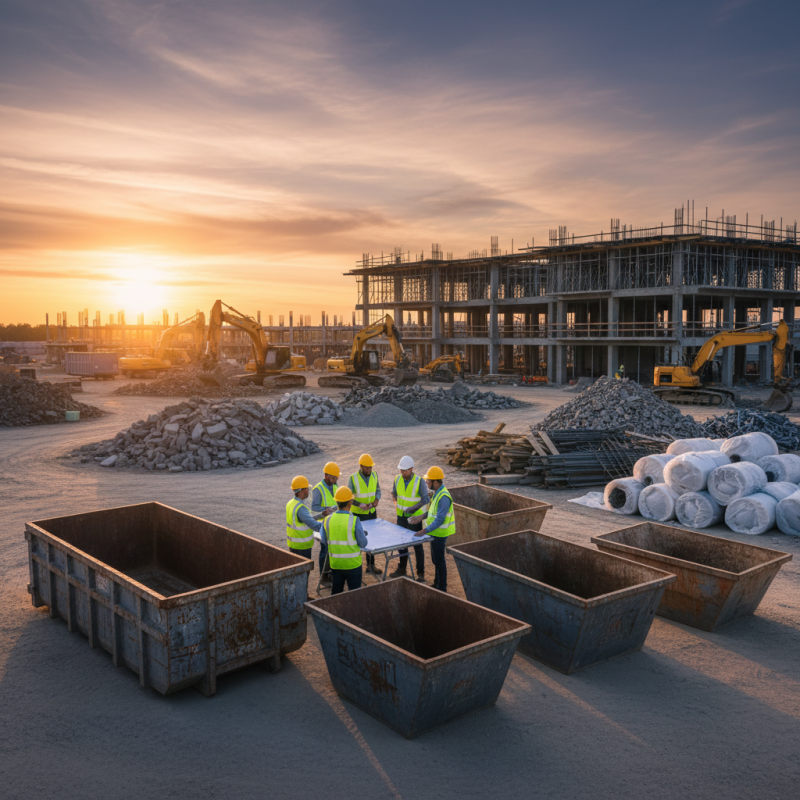
Factors to Consider When Selecting a Construction Garbage Bin
When selecting a construction garbage bin, several critical factors should be considered to ensure it meets the needs of your project. First, assess the type of waste your project will generate. Construction sites often produce a mix of materials, including wood, metal, concrete, and general debris. Understanding the composition of your waste can guide you in choosing a bin that is appropriately sized and designed to handle these specific materials without risk of overflow or damage.
Another important factor is the location and duration of your project. If the construction site is in a confined space, opting for a smaller, more mobile bin may be necessary to facilitate easy access and disposal. Additionally, consider the length of your project timeline; a short-term project might benefit from a temporary rental bin, while a long-term construction effort could warrant a more permanent solution.
Finally, examine local regulations regarding waste disposal, as these may dictate the type and size of bin required, ensuring your project remains compliant and efficient.
Types of Construction Garbage Bins and Their Uses
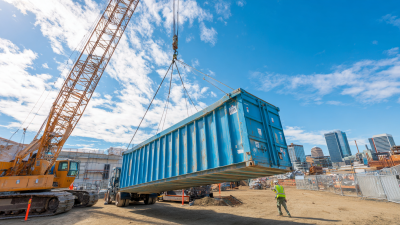
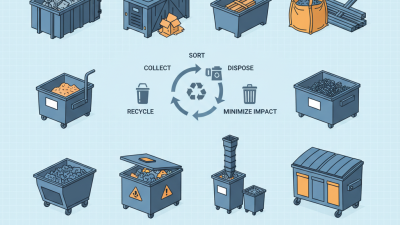
When undertaking a construction project, selecting the appropriate garbage bin is crucial to managing waste effectively. There are several types of construction garbage bins, each designed to handle specific materials and debris. The most common type is the roll-off dumpster, which is ideal for large projects. These bins can accommodate bulky debris such as wood, drywall, and metal, making them suitable for renovations and new builds alike. Their size can vary, typically ranging from 10 to 40 cubic yards, allowing contractors to choose a bin that fits their project scale.
Another type of construction garbage bin is the front-load dumpster, which is smaller and more manageable for ongoing projects or smaller worksites. These bins are perfect for disposing of regular trash and recyclables, providing an efficient solution for daily waste generation. Front-load dumpsters come in various sizes, making them versatile for small renovations or maintenance tasks. Additionally, specialized bins are available for hazardous materials, ensuring safe disposal compliant with local regulations, perfect for projects that may involve materials like asbestos or chemicals. Understanding these options allows for a better waste management strategy tailored to project needs.
How to Choose the Right Construction Garbage Bin for Your Project Needs - Types of Construction Garbage Bins and Their Uses
| Type of Bin |
Suitable For |
Capacity |
Common Uses |
| Standard Dumpster |
Residential Renovations |
10-40 cubic yards |
Home cleanouts, small to medium remodels |
| Construction Roll-off Bin |
Commercial Construction |
20-40 cubic yards |
Larger construction projects, debris from demolitions |
| Compact Bin |
Narrow Spaces |
2-10 cubic yards |
Renovations in tight areas, small landscaping jobs |
| Specialized Container |
Hazardous Materials |
Varies |
Asbestos, chemicals, other hazardous waste |
| Green Waste Bin |
Landscaping Projects |
10-30 cubic yards |
Brush, grass clippings, organic waste |
Estimating the Size of the Garbage Bin for Your Project
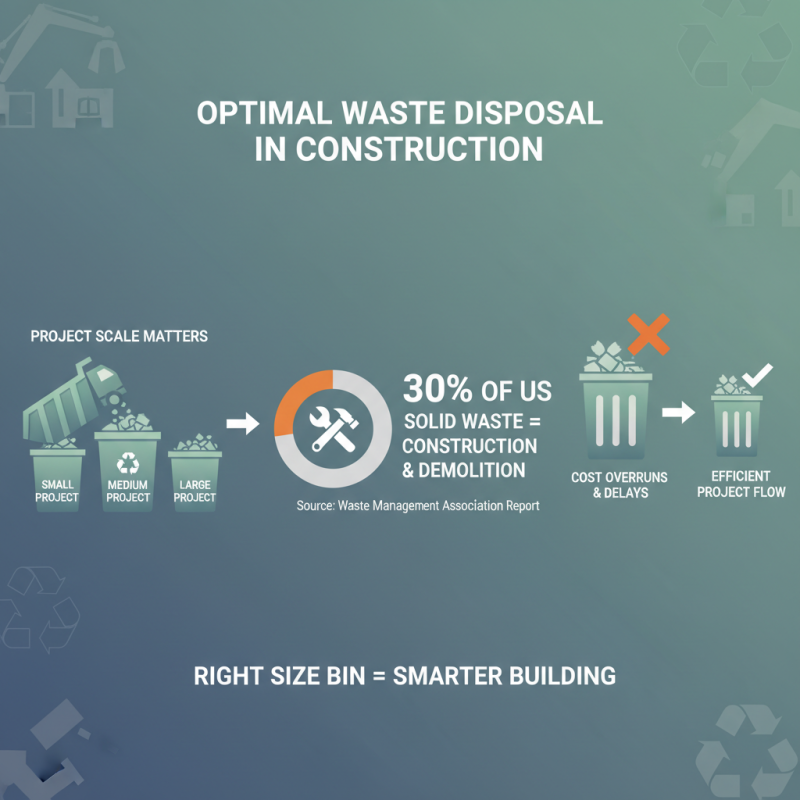
When planning a construction project, one of the most critical aspects is determining the appropriate size of the garbage bin needed for waste disposal. A key factor to consider is the volume of waste generated throughout the project, which can vary significantly depending on the type and scale of work. According to a report by the Waste Management Association, construction and demolition activities account for approximately 30% of all solid waste in the United States, emphasizing the importance of accurately estimating disposal needs.
To estimate the size of the garbage bin, first assess the project scope. A small renovation may only require a 10 to 15 cubic yard container, while larger undertakings, such as new builds or major renovations, may need 20 to 40 cubic yard bins. Additionally, it is essential to consider the type of materials being disposed of; heavier materials like concrete and metals can quickly fill up a bin, potentially requiring multiple pickups if not accurately estimated. Experts recommend calculating waste generation based on square footage—typically, you can anticipate about 3 to 5 pounds of waste per square foot for most projects. This data can help guide your decision, ensuring you choose a bin that aligns with your waste management strategy without incurring unnecessary costs.
Moreover, it's wise to consult with waste management professionals who can provide insights tailored to your project's specifics. They can offer guidance on local regulations and best practices, which can further aid in making an informed decision about bin size. By properly estimating your project's waste output, not only can you streamline the disposal process, but you can also contribute to sustainable practices in construction waste management.
Understanding Local Regulations for Waste Disposal
When embarking on a construction project, understanding local regulations for waste disposal is crucial to ensure compliance and avoid potential fines. Different municipalities often have specific guidelines regarding the types of materials that can be disposed of, maximum weight limits for bins, and the frequency of pick-ups. Familiarizing yourself with these regulations can help you select the appropriate garbage bin and prevent delays in your project timeline.
Local laws may also dictate the proper segregation of waste, requiring you to separate recyclable materials from general trash. This can influence your choice in garbage bin sizes and types, as some projects may necessitate multiple bins for different waste categories. Additionally, certain areas may have restrictions on the placement of bins, such as distance from sidewalks or the requirement for permits. Being aware of these rules at the outset not only streamlines the waste management process but also supports environmentally responsible practices in construction.
Construction Garbage Bin Sizes vs. Common Waste Types
Cost Factors and Budgeting for Garbage Bin Rental
When planning a construction project, budgeting for garbage bin rental is a crucial aspect that can significantly impact overall costs. One of the primary cost factors to consider is the size of the bin needed. Larger bins typically come with higher rental prices, so it's essential to accurately estimate the volume of waste your project is likely to produce. A well-considered choice helps prevent excess charges associated with overfilling smaller bins or necessitating multiple rentals.
Another key factor influencing cost is the rental duration. Many companies offer varying rates depending on the length of time you require the bin. If your project timeline extends, you may encounter additional fees, making it vital to communicate your project schedule upfront. Additionally, some areas may impose disposal fees based on the type of waste being handled, which can vary significantly. Thus, determining the nature of the debris and researching local regulations can help in formulating a more precise budget and avoiding unexpected expenses later on.