2026 How to Choose the Right Jobsite Dumpsters for Your Projects?
When planning a construction project, selecting the right jobsite dumpsters is crucial. The right dumpster can streamline waste disposal and enhance project efficiency. However, this choice often comes with various challenges. Many factors should be considered, including size, purpose, and location.
Understanding the specific needs of your project is essential. For instance, a small renovation might require a different dumpster than a large demolition project. It's also important to assess the amount and type of waste generated. A common mistake is underestimating this, leading to delays.
Accessibility to the jobsite is another factor. Ensure the dumpster can fit in the designated area without obstructing the workspace. These aspects can feel overwhelming, but taking time to reflect on your options will pay off in the end. Proper planning helps avoid last-minute crises. After all, the right jobsite dumpsters contribute significantly to a project's success.
Understanding the Different Types of Jobsite Dumpsters Available
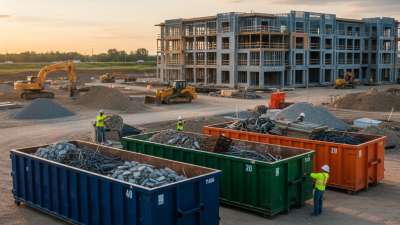
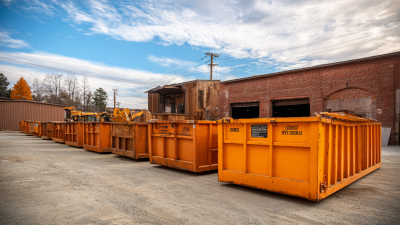
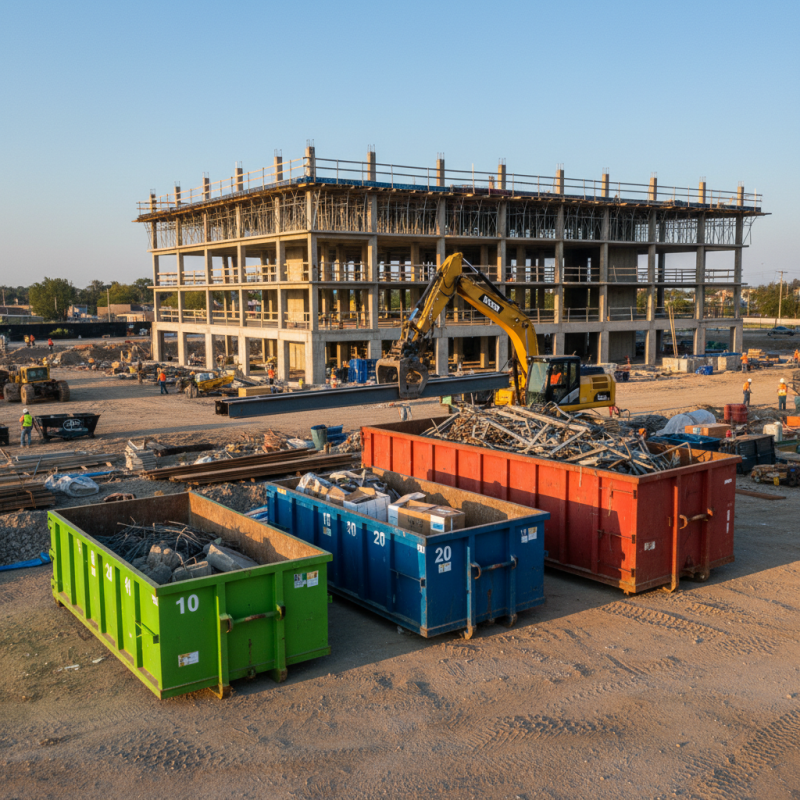
When selecting the right jobsite dumpster for your project, understanding the types available is key. There are several options. Each type serves different needs. The most common types are roll-off dumpsters and front-load dumpsters. Roll-off dumpsters are large and versatile. They are ideal for construction sites. They can handle heavy debris like concrete. Front-load containers, on the other hand, are better for ongoing projects. These are often used for regular waste disposal.
Another popular choice is the compact dumpster. It’s smaller and fits in tight spaces. This is great for renovation projects in urban areas. However, it has limited capacity. So, it may require more frequent pickups. Think about your project scale. If you're clearing out a large area, a larger dumpster could be necessary.
Don’t overlook specialty dumpsters. These come for specific waste types, such as yard debris or hazardous materials. They help ensure compliance with local regulations. Choosing the right dumpster can be tricky. It requires careful planning and reflection on your project's unique needs. Some may underestimate how much waste they generate. This can lead to overage fees or delays. Be sure to assess your waste disposal strategy before making a decision.
Evaluating Jobsite Space and Load Capacity for Optimal Dumpster Size
Evaluating jobsite space is crucial when selecting the right dumpster. Consider the dimensions of the area where the dumpster will be placed. Is the space tight or open? Narrow paths can limit dumpster sizes. Ensure there's enough room for truck access. A confined space might lead to higher equipment costs or delays.
Load capacity also plays a significant role in your decision. What materials will you be disposing of? Heavy debris requires a sturdier dumpster. Different materials have varied weight limits. For instance, concrete weighs more than dirt. Miscalculating the weight can lead to overloading, resulting in fines or unsafe situations. Think about potential future projects too. Choosing a slightly larger dumpster can save time and hassle down the line.
Reflecting on past experiences can help refine your choices. Did a smaller dumpster cause issues on a previous job? Learning from those moments is essential. You can avoid repeating mistakes. Ultimately, careful evaluation of both space and load capacity will lead to a more efficient waste management process.
2026 Jobsite Dumpsters Size Evaluation
Assessing Local Regulations and Waste Management Practices for Compliance
Choosing the right jobsite dumpsters begins with understanding local regulations. Each municipality has its own rules regarding waste disposal. Some restrict what can be thrown away. Others have specific guidelines for how to segregate waste. Familiarizing yourself with these regulations can help avoid fines later. It’s crucial to check these details early in your planning process.
Local waste management practices also play a significant role. Some areas require permits for dumpster placement. Failure to secure a permit may lead to delays. Additionally, you might need to coordinate with local waste services for proper pickup. These logistics can be complex and confusing. It's easy to overlook these details when focusing on a project. Therefore, taking time to reflect on local requirements is essential for a smooth operation.
Calculating Budget Implications and Cost-Effectiveness of Dumpsters
Choosing the right jobsite dumpster involves understanding budget implications. Cost-effectiveness should be prioritized. Think about the total expenses when selecting a dumpster. Rental rates vary by size and location. A small dumpster may be cheaper but could lead to extra trips. This adds costs.
Analyzing your project needs helps in making informed decisions. Assess the volume of waste you expect. Also, consider the duration of your project. Longer projects need larger dumpsters, which can be more economical. Remember to factor in disposal fees, as they can significantly affect your budget.
Tips: Always get multiple quotes. This helps gauge the market rate. Transparent pricing is key. Check for hidden fees. Avoid emotional decisions; a larger dumpster may seem better but can be wasted space. Consider the logistics too. Are there space constraints on your site? Reflecting on these points can save you time and money.
2026 How to Choose the Right Jobsite Dumpsters for Your Projects? - Calculating Budget Implications and Cost-Effectiveness of Dumpsters
| Dumpster Size |
Weight Capacity (lbs) |
Average Rental Cost ($) |
Ideal Project Type |
Cost per Ton ($) |
| 10 Yard |
2,000 |
300 |
Small renovations |
75 |
| 20 Yard |
4,000 |
450 |
Medium renovations |
112.5 |
| 30 Yard |
6,000 |
550 |
Large renovations or cleanouts |
91.67 |
| 40 Yard |
8,000 |
700 |
Major construction projects |
87.5 |
Best Practices for Efficient Loading and Maintenance of Dumpsters
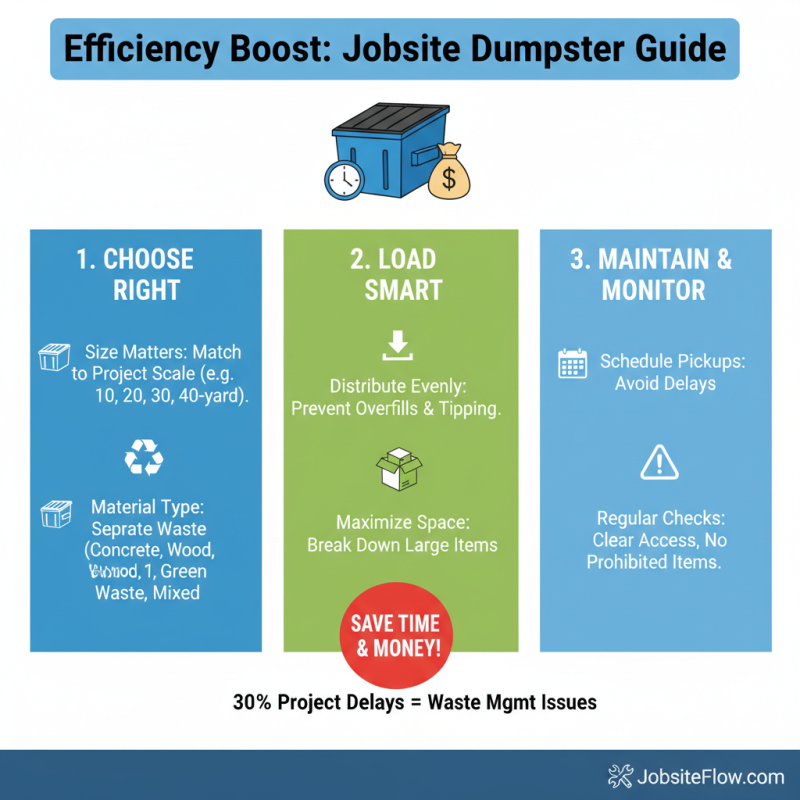
Choosing the right jobsite dumpster is crucial for efficiency. Proper loading and maintenance can save time and money. According to recent industry reports, over 30% of project delays are related to waste management. This highlights the importance of efficient dumpster use.
When loading a dumpster, consider weight distribution. Heavier items should be placed at the bottom. This prevents the dumpster from tipping over. Avoid overloading beyond the weight limit. Each dumpster has specific capacity guidelines. Exceeding them can lead to fines or accidents.
Tip: Always fill the dumpster from back to front. This promotes even weight distribution. It also makes loading easier. Regular maintenance, such as checking for leaks and cleaning, can prolong the life of your dumpster. Neglecting maintenance can lead to higher costs and more waste on-site.
Waste management is not just a task; it’s an essential part of any project. Awareness of proper practices can significantly affect your project's timeline and cost. Nonetheless, it's easy to overlook these details when busy. Make sure to revisit them regularly to ensure efficiency.