How to Choose the Right Construction Waste Dumpster for Your Project
When embarking on a construction project, one critical aspect that often goes overlooked is the effective management of waste. Choosing the right construction waste dumpster can significantly influence not only the efficiency of the project but also its overall environmental impact. Renowned waste management expert, John Richardson, emphasizes, "Selecting the appropriate dumpster is not just about size; it’s about understanding the types of materials you’ll be disposing of." This insight underscores the importance of making an informed decision that aligns with the specific needs of the project.
In order to make the best choice, project managers and contractors must consider factors such as project size, the nature of the materials, and the planned timeline for waste removal. With a variety of dumpster sizes and specifications available on the market, understanding these elements becomes crucial to optimizing waste disposal processes. This article aims to guide you through the essential considerations for selecting the perfect construction waste dumpster for your project, ensuring a smoother workflow and a more sustainable approach to construction waste management.
Understanding the Types of Construction Waste Dumpsters Available
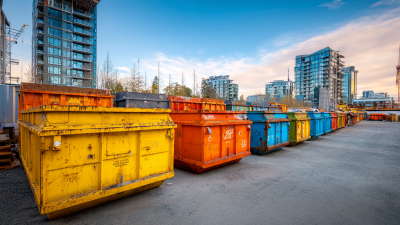
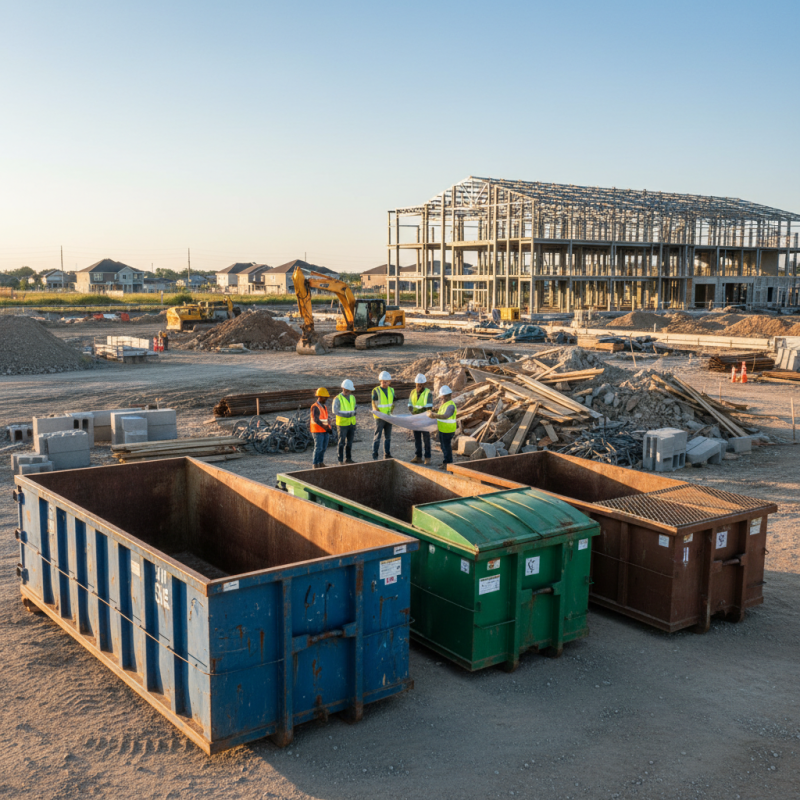
When embarking on a construction project, selecting the appropriate dumpster is crucial for efficient waste management. Understanding the types of construction waste dumpsters available is essential in making an informed choice. There are generally three main types of dumpsters used for construction waste: roll-off dumpsters, front-load dumpsters, and compactors. Roll-off dumpsters are ideal for large projects, as they can accommodate a significant volume of debris such as concrete, wood, and metal. They typically hold from 10 to 40 cubic yards, with the most common size being 20 cubic yards, suitable for mid-sized renovations or minor demolitions.
Front-load dumpsters, on the other hand, are more suited for smaller projects or ongoing construction sites where waste needs to be collected frequently. These dumpsters come in sizes ranging from 2 to 8 cubic yards, making them manageable for daily pickups. Lastly, compactors are designed for large construction sites where waste volume is consistently high, providing a way to minimize space usage and transportation costs. According to industry reports, approximately 20-30% of construction and demolition debris can be diverted from landfills through careful waste sorting and dumpster selection, significantly contributing to sustainability efforts.
**Tips:** When selecting a dumpster, consider the type of materials you will be disposing of, as certain dumpsters are preferable for specific waste types. Additionally, take into account the size of your project and the anticipated volume of waste; opting for a larger dumpster can save on extra trips and associated costs. Finally, ensure you comply with local regulations regarding waste disposal, as different municipalities may have specific requirements for construction waste management.
Construction Waste Dumpsters Overview
Assessing the Volume of Waste Generated by Your Project
Assessing the volume of waste generated by your project is a crucial step in choosing the right construction waste dumpster. Different types of projects will produce varying amounts of waste depending on the materials used, the size of the project, and the duration of the work. It is essential to conduct a thorough evaluation of the anticipated waste before making a decision on the dumpster size. For instance, a small renovation might generate far less debris than a full-scale demolition or a new construction project.
To accurately assess the volume of waste, start by estimating the type of materials that will be discarded, such as concrete, wood, metal, or drywall. Each material has a different density and takes up varying amounts of space, which will affect your disposal needs. Calculating the total cubic yards of waste can provide a more precise estimate. Many online calculators are available to help with these calculations, or you can consult with professionals who specialize in waste management.
Having a well-thought-out estimate not only helps you select an appropriately sized dumpster but also ensures that your project runs smoothly without unexpected delays or additional costs due to miscalculations.
Evaluating Local Rental Regulations and Permitting Requirements
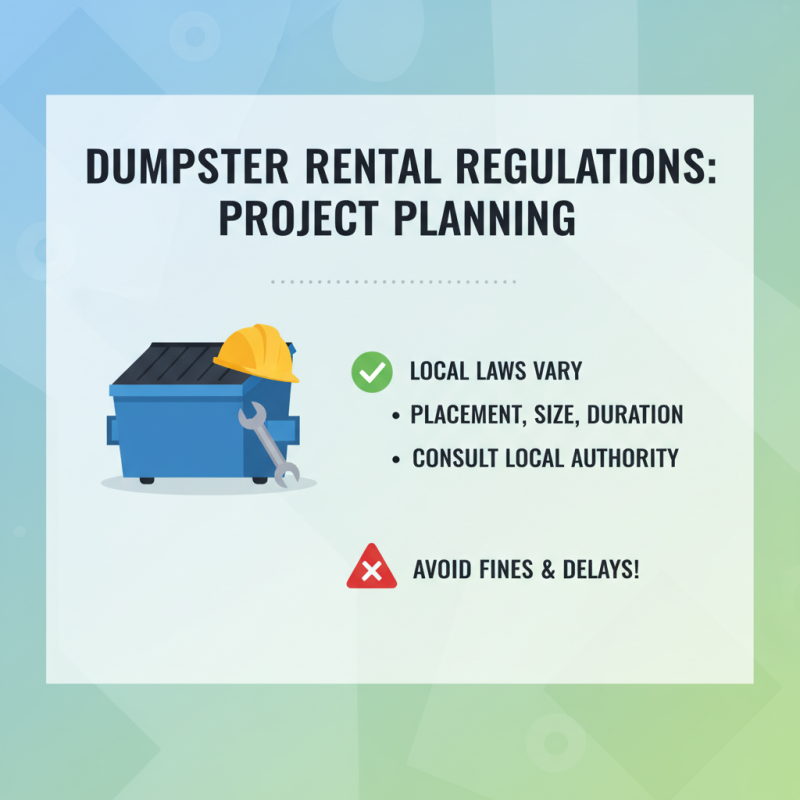
When planning a construction project, one of the key considerations is understanding local rental regulations and permitting requirements for dumpsters. Different municipalities have varying laws regarding the placement, size, and duration of dumpster rentals, which can significantly affect your project timeline and budget. Before selecting a dumpster, it’s crucial to consult your local waste management authority to gain insight into any specific regulations that may apply. This proactive approach can help you avoid potential fines and delays.
**Tips**: Always check whether you need a permit for placing a dumpster on the street or a sidewalk. Some areas require a permit if the dumpster is situated in a location that obstructs public access. It's recommended to apply for any necessary permits well in advance of your project start date to ensure a smooth rental experience.
Additionally, familiarize yourself with weight limits and prohibited items in your rented dumpster. These regulations can vary widely; for instance, certain types of hazardous materials may be strictly restricted. Understanding these restrictions will not only help you comply with local laws but also optimize your waste disposal process effectively.
**Tips**: Before loading the dumpster, create a waste management plan detailing what can and cannot go into it. This plan can save you time and money by minimizing the risk of non-compliance and ensuring that all your disposal needs are efficiently met within the legal framework of your area.
Comparing Rental Costs and Duration Options for Dumpsters
When selecting a construction waste dumpster for your project, understanding rental costs and duration options is essential for effective budget management. Rental costs can widely vary depending on factors such as the size of the dumpster, the type of waste being disposed of, and the rental company you choose.
Generally, smaller dumpsters are less expensive, making them suitable for minor projects, while larger models designed for extensive renovations or construction sites can carry a higher rental fee. It's important to consider not just the upfront cost but also any additional fees that might be charged based on weight or the length of the rental period.
Duration options for dumpster rentals typically range from short-term to long-term arrangements. Many companies offer flexible plans that can accommodate your project timeline, whether it’s a weekend cleanup or an extended construction phase.
Short-term rentals may be ideal for smaller jobs that require prompt disposal, while long-term rentals provide the convenience of ongoing access throughout larger projects. Be sure to evaluate your project’s specific needs and communicate them clearly to the rental provider to ensure you choose the most cost-effective and time-efficient option.
Considering Additional Services and Features for Your Dumpster Rental
When choosing a construction waste dumpster for your project, it is crucial to consider not only the size and type but also the additional services and features that can enhance the efficiency of your waste management. Recent industry studies indicate that a well-selected dumpster service can reduce overall project costs by up to 15%, facilitating better resource allocation and minimizing delays caused by waste removal. Options such as same-day delivery, flexible rental periods, and recycling services can significantly impact the logistics of a construction site.
Moreover, features like weight limits and extra load options should also be evaluated. According to the Waste Management Association, nearly 30% of construction waste is recyclable, yet many projects do not take advantage of recycling services. By opting for a dumpster rental that offers sorting or recycling options, businesses can not only adhere to environmentally-friendly practices but also save on landfill fees, which can be substantial. Understanding these additional services can help contractors choose a dumpster rental that not only meets their immediate needs but also contributes positively to their bottom line and sustainability goals.