How to Choose the Right Construction Site Dumpster for Your Project?
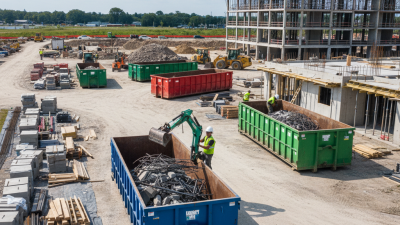
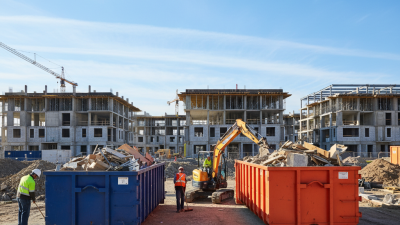
Choosing the right construction site dumpster is crucial for project efficiency. Construction sites generate significant waste. According to the Environmental Protection Agency, construction and demolition debris accounts for about 25% of the total waste in landfills. Selecting an appropriate dumpster helps manage this waste effectively.
The size and type of a construction site dumpster can greatly affect timeline and cost. Larger projects may require 20 or 30-yard dumpsters, while smaller jobs often need only 10 yards. However, an overly large dumpster can lead to unnecessary costs. Waste management practices must also comply with local regulations, creating another layer of complexity.
When considering a construction site dumpster, evaluate your waste types. Different materials, like concrete or wood, may require specific disposal methods. Understanding these details can prevent costly mistakes. Choosing wisely can enhance both project sustainability and budget management. However, many projects fail to assess waste needs properly, leading to inefficiencies.
Understanding Different Types of Construction Site Dumpsters
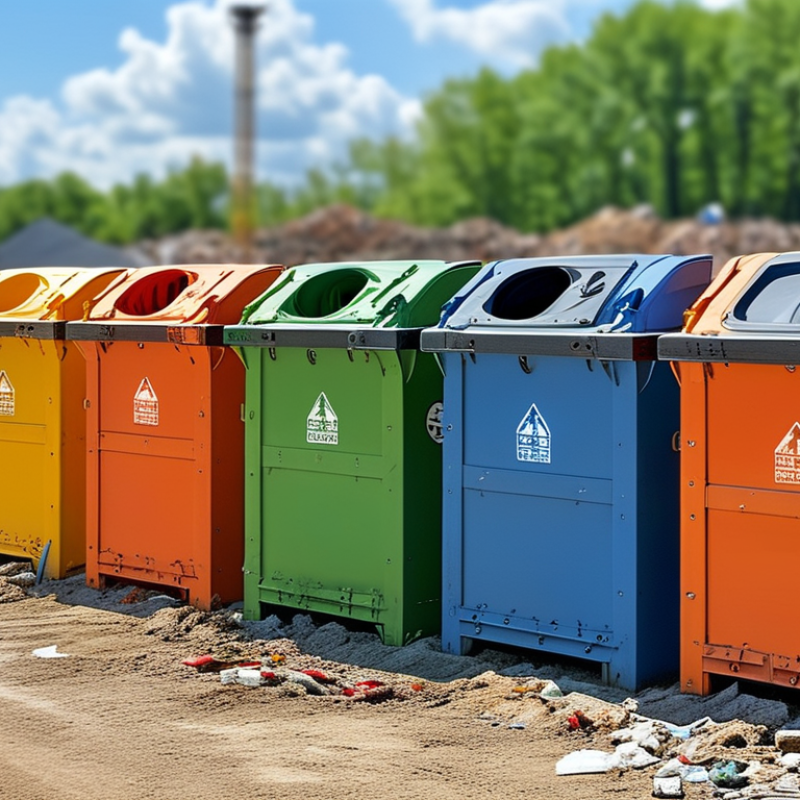
When selecting a dumpster for your construction site, it's crucial to understand the different types available. Roll-off dumpsters are a popular choice for large projects. They are easy to load and can handle significant volumes of waste, including heavy materials. Their open-top design allows for quick disposal of debris, which can speed up your project timeline. However, they require careful placement and may take up considerable space.
Another option is front-load dumpsters, which are ideal for smaller construction sites. These dumpsters come with a lid and are emptied by a truck that lifts them mechanically. They are more secure, reducing the chance of animals accessing your waste. However, they can't accommodate bulky items as effectively as roll-off dumpsters can. It's worth considering that choosing the right dumpster impacts the workflow on your site. Each type has its own strengths and limitations.
Additionally, you should think about the volume and type of waste you'll generate. Different materials require different handling. For example, hazardous materials need specialized disposal methods. Not all providers offer the same junk removal services. Therefore, researching local regulations can ensure compliance and safety. Keep in mind that the right choice can prevent delays and added costs in the long run.
How to Choose the Right Construction Site Dumpster for Your Project?
| Dumpster Type |
Capacity (Cubic Yards) |
Ideal Use Cases |
Weight Limit (Pounds) |
Rental Duration (Days) |
| 5 Yard Dumpster |
5 |
Small Renovations, Garage Cleanouts |
2,500 |
7 |
| 10 Yard Dumpster |
10 |
Medium Renovations, Small Construction Projects |
4,000 |
10 |
| 20 Yard Dumpster |
20 |
Larger Renovations, Deck Removal, Roofing Projects |
10,000 |
14 |
| 30 Yard Dumpster |
30 |
Major Renovations, New Construction Projects |
12,000 |
14 |
| 40 Yard Dumpster |
40 |
Large Scale Construction, Commercial Projects |
16,000 |
14 |
Evaluating Project Size and Debris Volume for Dumpster Selection
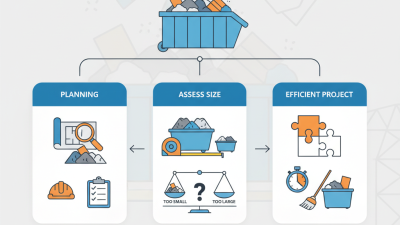
When selecting a dumpster for your construction project, understanding the project's size and anticipated debris volume is critical. Larger projects typically generate more waste, requiring bigger dumpsters. Conversely, smaller projects may only need compact options. For instance, if you're renovating a single room, a 10-yard dumpster might suffice. However, for a full home renovation, consider a 30-yard dumpster.
Estimating debris volume is vital to avoid overloading. Each dumpster has a specified weight limit. If exceeded, you may face extra charges. It's essential to consider the type of debris as well. Heavy materials like concrete will fill up the dumpster faster than lighter items like wood. Accurate measurements will assist in selecting the right size.
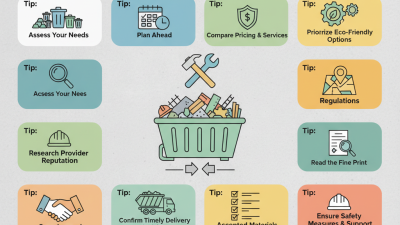
**Tips:** Keep track of what you plan to dispose of. Create a list of materials and their weights. This approach will make it easier to gauge how much space you'll need in your dumpster. It’s also wise to consult with professionals if you're unsure. They can help refine your dumpster selection based on experience. Always prepare for unexpected waste, which can occur during construction.
Assessing Dumpster Size and Specifications for Your Needs
Choosing the right dumpster for your construction site hinges on understanding size and specifications. Most common sizes range from 10 to 40 yards. A 10-yard dumpster is suitable for small renovations. For larger projects, a 30-yard dumpster is a popular choice, catering to mid-sized construction activities.
Statistics from industry reports indicate that 60% of project delays are due to improper waste management. An incorrect dumpster size can cause additional costs and site congestion. A construction site generates an average of 4.4 pounds of waste per square foot. This data emphasizes the need to accurately assess the volume of waste expected.
Consider specific needs when selecting a dumpster. Projects with heavy materials, like concrete, often require a heavier-duty dumpster. Not all sizes are effective for every waste type. For example, using a smaller dumpster for heavy debris can lead to overloading issues. Weighing these factors helps ensure that the choice aligns with both project requirements and local regulations.
Comparing Rental Costs and Budgeting for Dumpster Services
When planning a construction project, budgeting for a dumpster is crucial. Rental costs can vary significantly. Factors include the dumpster size, rental duration, and local disposal fees. Typically, smaller dumpsters are cheaper but may require more frequent pickups. It's essential to assess your waste volume accurately.
Unexpected fees can arise, making budgeting complicated. Always inquire about additional charges, such as overages for exceeding weight limits. You may need to factor in local regulations, which can affect pricing. For instance, permits might be necessary in certain areas. Thorough research helps avoid unpleasant surprises later.
Gather quotes from multiple providers to enable effective comparison. This also allows for negotiation—some companies might lower prices to secure your business. Keep your project timeline in mind; last-minute decisions can lead to higher costs. Consider potential delays in waste removal, which can impede your project's progress.
Comparing Construction Site Dumpster Rental Costs
Identifying Local Regulations and Permit Requirements for Dumpsters
When selecting a dumpster for your construction site, understanding local regulations is crucial. Many cities have specific rules regarding the placement and size of dumpsters. For example, zoning laws may dictate where a dumpster can be located. It’s vital to check your local ordinances to avoid penalties. The National Waste and Recycling Association states that compliance can save contractors up to 15% in potential fines.
Additionally, permits may be required for dumpster placement. In urban areas, permits often depend on road use and safety considerations. Some places require you to apply weeks in advance. It's worth noting that failure to secure a permit could lead to costly delays. A report from the Environmental Protection Agency highlights that improper dumpster use can lead to increased administrative work and waste management issues on site.
Remember that local waste management guidelines can differ significantly. It’s important to account for potential restrictions on the types of materials you can dispose of in your dumpster. Different regions may have specific disposal rules for hazardous materials, e-waste, or recyclables. Engaging with local authorities can provide clarity, ensuring your project adheres to all relevant regulations. Ignoring these aspects can complicate your project and increase costs.