Top Benefits of Using Construction Roll Off Dumpsters for Your Projects
In the realm of construction and renovation projects, efficiency and organization are paramount. One of the most effective tools to achieve these goals is the use of construction roll off dumpsters. These large, heavy-duty containers are specifically designed to handle the substantial waste generated during various construction activities, ranging from residential remodels to large-scale commercial projects. By providing a centralized location for debris, roll off dumpsters not only streamline the cleanup process but also enhance workplace safety by minimizing clutter and hazardous conditions.
Moreover, construction roll off dumpsters come in various sizes, allowing contractors and builders to select the ideal option to meet their project’s needs. This flexibility ensures that as the volume of waste fluctuates throughout different phases of the project, the solution remains effective and economical. Utilizing these dumpsters can significantly reduce the time and effort spent on waste management, enabling teams to focus on their core tasks and maintain productivity. In this article, we will explore the top benefits of incorporating construction roll off dumpsters into your projects, illustrating how they can contribute to a smoother and more sustainable construction process.

Key Features of Construction Roll Off Dumpsters
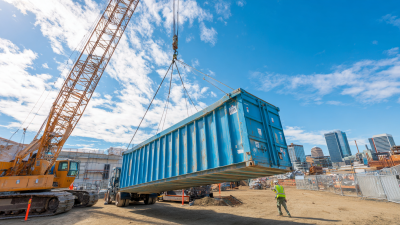
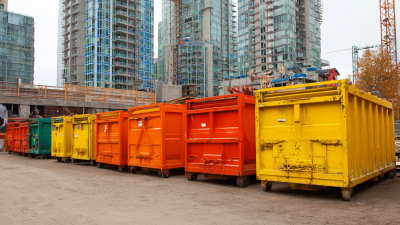
Construction roll off dumpsters are essential tools for managing waste on job sites, offering several key features that enhance project efficiency. These dumpsters typically come in various sizes, ranging from 10 to 40 cubic yards, allowing contractors to choose the right capacity for their specific needs. According to a report by the Construction Industry Institute, effective waste management can reduce project costs by up to 30%, highlighting the importance of selecting the appropriate dumpster size. Additionally, roll off dumpsters are designed for easy loading and unloading, with open tops and doors that facilitate the disposal of bulky materials like drywall, glass, and wood.
One of the standout features of construction roll off dumpsters is their mobility. Most providers allow for scheduled pickups and deliveries, ensuring that waste is removed promptly, thus maintaining a clean and safe work environment. A study from the National Waste & Recycling Association reveals that organized waste disposal can significantly increase worker productivity by up to 20%.
Tip: Always plan ahead by estimating the amount of waste your project will generate and selecting a dumpster size that accommodates those needs. This can prevent unnecessary delays and additional disposal costs.
Another useful tip is to segregate materials before disposal, as many waste management services offer recycling programs that can reduce landfill contributions while also promoting sustainable practices. By taking advantage of these features and tips, contractors can optimize their project workflows and maintain compliance with local regulations.
Top Benefits of Using Construction Roll Off Dumpsters for Your Projects - Key Features of Construction Roll Off Dumpsters
| Benefit |
Description |
Key Feature |
Project Type |
| Efficient Waste Management |
Centralizes debris and waste for easy collection and disposal. |
Large Capacity |
Construction Sites |
| Cost-Effective Solutions |
Reduces labor costs associated with disposal. |
Rental Options |
Renovation Projects |
| Regulatory Compliance |
Helps meet disposal regulations effectively. |
Permits Available |
Commercial Construction |
| Safety and Cleanliness |
Minimizes hazards by keeping the site organized. |
Easy Access |
Home Construction |
| Flexibility in Choice |
Various sizes available to fit project needs. |
Multiple Sizes |
Large Renovations |
Advantages of Using Roll Off Dumpsters for Waste Management
Using roll-off dumpsters for waste management offers numerous advantages for both residential and commercial projects. A key benefit is the efficiency in handling large volumes of waste. According to the Environmental Protection Agency (EPA), over 292.4 million tons of municipal solid waste were generated in the U.S. in 2018, emphasizing the need for effective waste management solutions. Roll-off dumpsters can accommodate varying waste types, allowing for organized disposal and reducing the time spent on waste collection.
Furthermore, roll-off dumpsters enhance safety at construction sites and during home renovations. By providing a designated spot for debris and waste, these dumpsters help minimize the risk of accidents and injuries associated with littered work areas. Industry reports suggest that having a structured waste management system in place can lower incident rates by as much as 30%. This not only protects workers but also contributes to maintaining a cleaner environment. With the increasing focus on sustainability, utilizing roll-off dumpsters supports better recycling practices, as they often come with clear separation guidelines for recyclable materials, thus promoting a circular economy.
Top Benefits of Using Construction Roll Off Dumpsters
This chart illustrates the key advantages of utilizing roll-off dumpsters for construction waste management.
Cost-Effectiveness of Construction Roll Off Dumpsters
When it comes to managing waste on construction sites, cost-effectiveness is a key factor that can significantly impact a project's overall budget. Using construction roll-off dumpsters not only streamlines the disposal process but also provides a cost-efficient solution for contractors and project managers.
These dumpsters come in various sizes, allowing for flexible waste collection tailored to the specific needs of the project, which can help prevent overpaying for unnecessary capacity.
Moreover, renting a roll-off dumpster minimizes the labor costs associated with waste management. Instead of hiring additional staff to transport waste to disposal sites, workers can focus on their primary tasks while the dumpster remains onsite, ready for immediate use. This efficiency reduces downtime and enhances productivity.
Furthermore, the fixed rental rates for roll-off dumpsters often include all necessary fees, eliminating unexpected costs related to disposal that can arise when using other waste management methods. By consolidating waste removal services, contractors can keep tight control over their project budgets.
Environmental Benefits of Using Roll Off Dumpsters
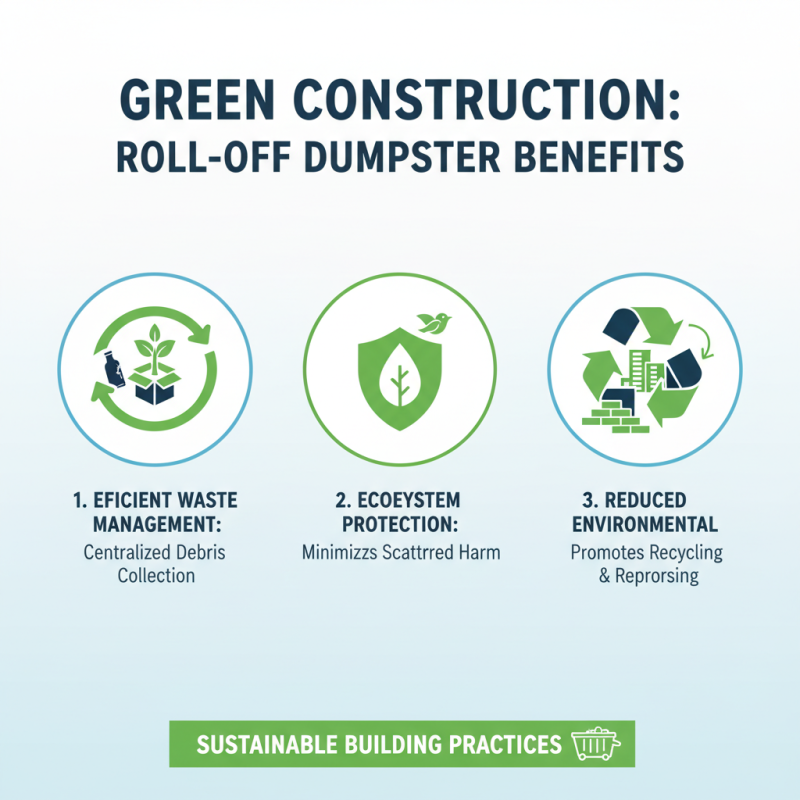
Using construction roll off dumpsters offers significant environmental benefits that align with sustainable building practices. One of the most notable advantages is the efficient management of waste materials. By centralizing debris removal, roll off dumpsters minimize the risk of scattered waste, which can harm local ecosystems. This organized approach promotes recycling and repurposing of materials, reducing the overall environmental footprint of construction projects.
Tips for maximizing the environmental benefits of using roll off dumpsters include sorting materials before disposal. Ensure that recyclables like metal, wood, and concrete are separated to enhance recycling rates. Additionally, consider scheduling regular pickups to prevent overflow, which can lead to spillage and potential soil contamination. Make it a point to work with recycling facilities that prioritize sustainable practices to further your project’s eco-friendly impact.
Another essential aspect is to choose the right size of dumpster for your project. Opting for a dumpster that closely matches your needs minimizes wasted space and, consequently, unnecessary trips to disposal sites. This consideration not only conserves fuel but also reduces emissions associated with transportation, contributing to a greener environment as you work on your construction projects.
Choosing the Right Size Roll Off Dumpster for Your Project
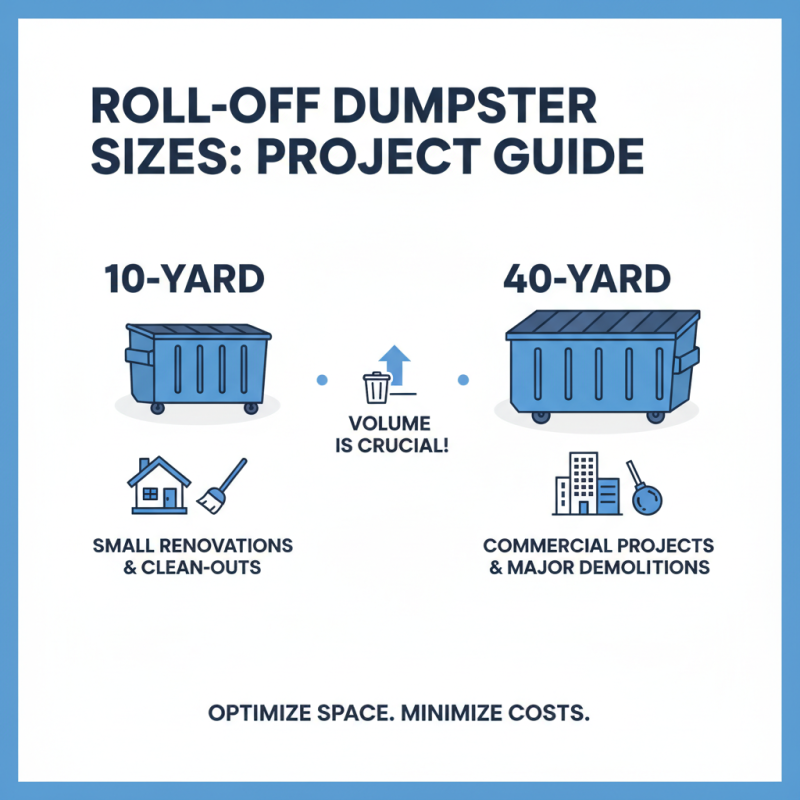
When it comes to selecting the right size roll off dumpster for your construction project, understanding your waste volume is crucial. According to industry reports, a standard 10-yard dumpster can hold approximately 10 cubic yards of debris, which is ideal for small renovations or clean-outs. On the other hand, larger projects requiring more extensive waste management may necessitate a 40-yard dumpster, which can accommodate the debris from significant constructions, such as commercial building projects or major demolitions. Choosing the appropriate size helps optimize space and minimizes additional rental costs that can arise from underestimating waste volume.
Data from the Environmental Protection Agency indicates that construction and demolition debris makes up about 25-30% of the total waste stream in the U.S. By accurately sizing your roll off dumpster, you not only increase efficiency in waste disposal but also contribute to more sustainable practices by ensuring that recyclable materials are effectively sorted and processed. For general contractors, understanding the nuances of dumpster sizes can enhance project planning and timeline management, as well as promote better compliance with local waste disposal regulations. Thus, investing time in determining the right dumpster size is pivotal for project success.