
2026 Best Jobsite Dumpsters for Global Buyers?
Choosing the right jobsite dumpsters in 2026 requires more than comparing prices and painted steel. Global buyers must examine capacity, loading access, durability, transport efficiency, and supplier reliability. A container that performs well on a dry urban renovation site may struggle on a muddy infrastructure project. Conditions matter.
This guide evaluates jobsite dumpsters through practical purchasing criteria. It considers roll-off and hook-lift compatibility, wall thickness, door design, lifting points, drainage, surface protection, and expected service life. Freight dimensions also deserve attention. Empty space can increase shipping costs quickly. Experienced buyers often request drawings, material specifications, load ratings, inspection records, and clear warranty terms before placing an order.
Supplier communication is equally important. Product photos can look convincing, but weld quality and frame alignment need closer verification. A trial order may reveal packaging weaknesses, delayed documentation, or inconsistent dimensions. That is not a failure of the process; it is useful evidence. No single dumpster suits every market, fleet, or worksite.
The selections ahead focus on dependable performance, manageable ownership costs, and practical international purchasing. They also recognize regional differences in equipment standards, unloading methods, weather, and waste-handling practices. Buyers should confirm local requirements with qualified professionals before importing or deploying equipment. The best choice is rarely the cheapest unit. It is the one that arrives correctly specified, works safely, and remains serviceable after repeated jobsite use.
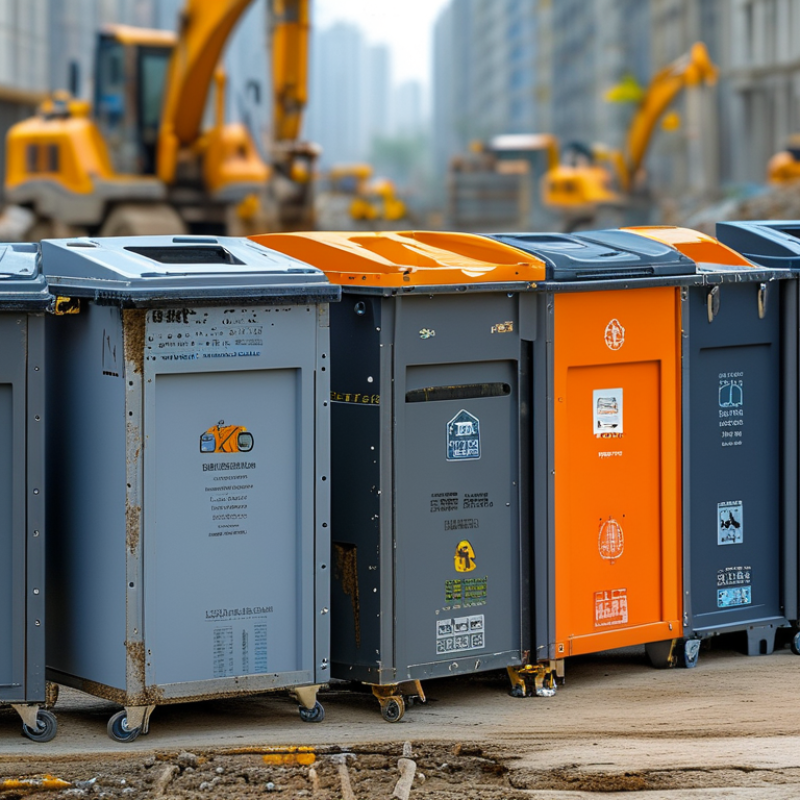
Jobsite Dumpster Basics: Types, Sizes, and Core Applications
Jobsite dumpsters support demolition, renovation, roofing, landscaping, and daily construction waste. The right type depends on material flow, site access, and collection frequency. Roll-off dumpsters suit heavy debris and changing project volumes. Their open tops allow easy loading from wheelbarrows or small machinery. Front-load dumpsters fit ongoing waste from occupied buildings or smaller work areas. They need scheduled collection and clear access for lifting equipment.
Common sizes range from 10 to 40 cubic yards. A 10-yard container suits concrete, soil, or limited bathroom renovations. A 20-yard model works well for room remodels and moderate roofing waste. Larger 30- and 40-yard units support structural demolition and major cleanouts. Weight matters. A container may have enough space but exceed local hauling limits. Regulations, road conditions, and container dimensions also vary between countries.
Tips: Measure the gate, turning area, and overhead clearance before ordering. Keep access clear. Separate dense materials when possible. My early assumption was that the largest dumpster always saves money, but unused capacity can increase costs. Confirm accepted materials, rental terms, loading limits, and local placement requirements with the supplier. Photos of the site can improve size recommendations, although they may not show hidden access problems.
2026 Best Jobsite Dumpsters for Global Buyers? - Jobsite Dumpster Basics: Types, Sizes, and Core Applications
| Dumpster Type | Typical Capacity | Typical External Dimensions | Core Jobsite Applications | Suitable Materials | Main Advantages | Key Limitations |
|---|---|---|---|---|---|---|
| 10-Yard Roll-Off | 10 yd³ (7.6 m³) |
Approximately 3.0 m L × 1.8 m W × 1.0 m H | Small renovations, bathroom and kitchen upgrades, roofing work, and compact residential construction sites | Mixed construction debris, wood, drywall, packaging, and light demolition waste | Compact footprint; generally easier to place on restricted sites | Limited volume; heavy materials may reach the payload limit before the container is full |
| 20-Yard Roll-Off | 20 yd³ (15.3 m³) |
Approximately 6.1 m L × 2.4 m W × 0.9 m H | Residential remodeling, flooring replacement, roofing, medium demolition, and general building work | Construction debris, timber, concrete fragments in controlled quantities, metal, and general renovation waste | Balanced size for many construction projects; lower wall height simplifies loading | Requires adequate truck access and a relatively long placement area |
| 30-Yard Roll-Off | 30 yd³ (22.9 m³) |
Approximately 6.1 m L × 2.4 m W × 1.2 m H | Large residential builds, commercial fit-outs, structural renovation, and multi-room demolition | Mixed construction and demolition waste, wood, drywall, insulation, fixtures, and non-hazardous bulky debris | High volume without the footprint of the largest containers | Higher walls can make manual loading more difficult; overfilling is a transport and safety risk |
| 40-Yard Roll-Off | 40 yd³ (30.6 m³) |
Approximately 6.1 m L × 2.4 m W × 1.5 m H | Major demolition, commercial construction, industrial cleanouts, and large-scale building projects | Lightweight bulky debris, timber, drywall, packaging, insulation, and mixed non-hazardous waste | Maximum common volume for large jobsite waste streams | Needs substantial clearance; not normally the best choice for dense urban sites or heavy rubble |
| Front-Load Dumpster | 2–8 yd³ (1.5–6.1 m³) |
Approximately 1.5–3.7 m L × 0.9–1.8 m W × 1.0–1.4 m H | Ongoing waste collection at commercial sites, apartment projects, retail renovations, and facilities | General refuse, packaging, light construction debris, office waste, and routine maintenance waste | Efficient scheduled collection; suitable for locations with limited space | Smaller capacity; not designed for large demolition loads or very dense materials |
| Rear-Load Dumpster | 2–8 yd³ (1.5–6.1 m³) |
Approximately 1.2–3.7 m L × 0.8–1.8 m W × 1.0–1.4 m H | Narrow alleys, service areas, restaurants, small commercial properties, and constrained urban jobsites | General waste, food-service waste, light renovation debris, and routine site waste | Can be serviced where front-loading access is difficult; compact placement options | Lower volume than roll-off containers; access and pickup scheduling must be carefully coordinated |
| Hook-Lift Container | 10–40 yd³ (7.6–30.6 m³) |
Approximately 3.7–6.7 m L × 2.3–2.5 m W × 0.9–1.8 m H | High-turnover construction sites, municipal works, industrial maintenance, and projects requiring container interchange | Construction debris, scrap metal, green waste, soil, and other approved material streams | Fast container exchange; multiple container profiles can support different materials | Requires compatible hook-lift vehicles, suitable ground conditions, and sufficient loading clearance |
| Compactor Container | 20–40 yd³ (15.3–30.6 m³) |
Approximately 6.1–7.6 m L × 2.4–2.5 m W × 1.3–2.4 m H | Large commercial projects, distribution facilities, high-volume fit-outs, and sites with continuous waste generation | Cardboard, packaging, light mixed waste, and selected construction materials approved for compaction | Reduces waste volume and can lower collection frequency for high-volume operations | Higher purchase and operating complexity; unsuitable for hazardous waste and some dense materials |
One cubic yard equals approximately 0.765 cubic metres. Actual usable capacity depends on the container shape and the required fill line.
Confirm truck approach, overhead clearance, turning space, ground strength, container length, and local road or permit requirements before delivery.
Hazardous substances, asbestos, liquids, batteries, pressurized cylinders, and certain electronic or medical wastes require separate handling and must not be placed in a standard jobsite dumpster.
Related Posts
-
2026 How to Choose the Right Construction Bin Rental for Your Project?
-
Best Dumpster Rental Construction Services for Your Project?
-
Top Dumpster Rental Options for Construction Projects Worldwide?
-
2026 Best Construction Garbage Bin Rental Services for Your Project?
-
Top 10 Benefits of Construction Waste Bin Rental for Your Project Success
-
Top 10 Construction Waste Dumpster Tips for Effective Waste Management